
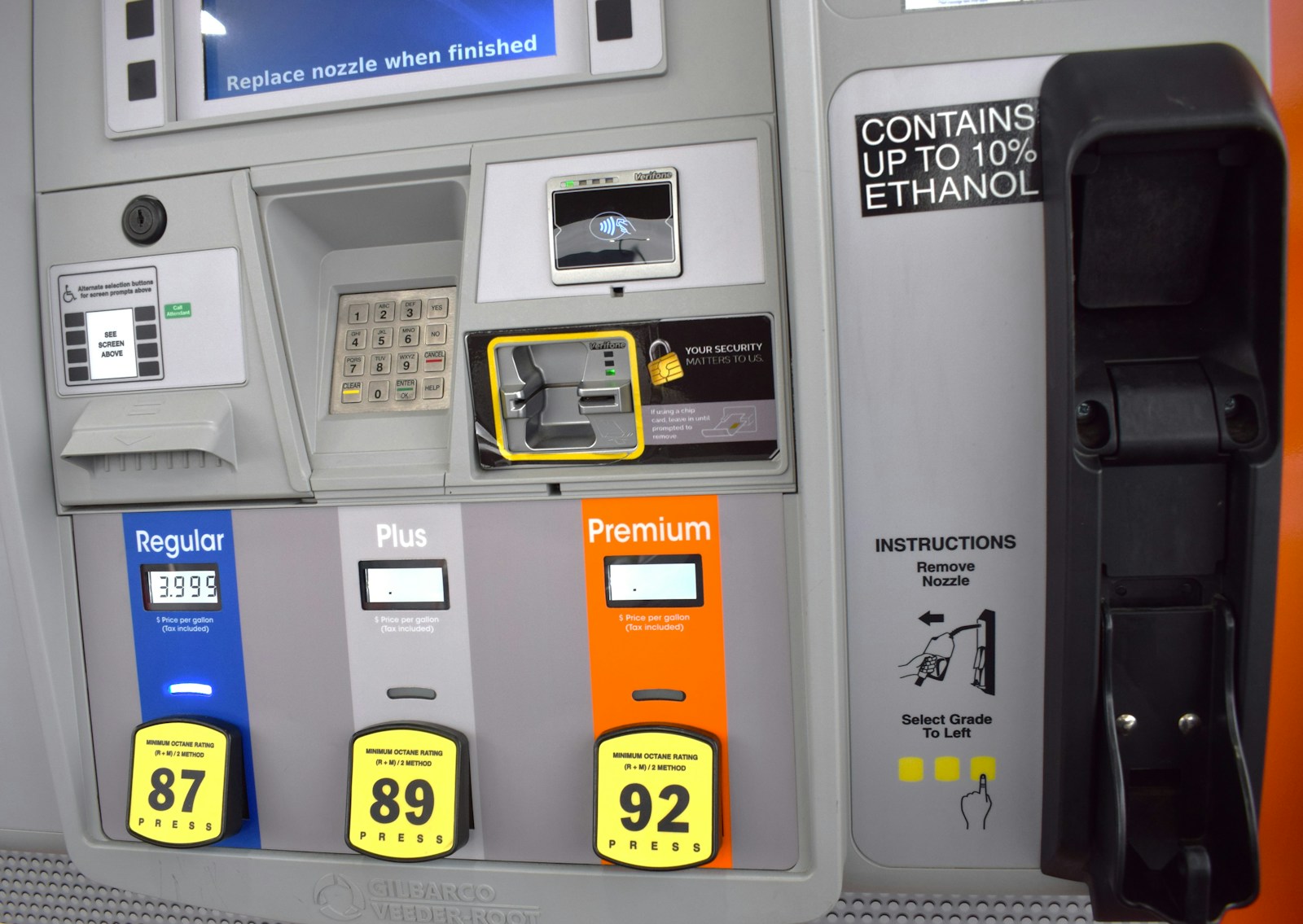

You pull up, swipe as usual, and the pump asks for a tap or an app. Stations are installing clearer card shields, contactless readers, and encrypted terminals to stop skimmers, but the new steps can feel awkward when all you want is fuel. You can protect your payment information by using contactless options or following the on‑screen prompts—these upgrades block skimmers and make fraud much harder.
Some pumps now require you to hold your phone or card over the reader, enter a ZIP at the screen, or follow an app’s verification before fueling. Those extra steps add a few seconds but dramatically reduce the chance your card data gets stolen, and the article explains what each new action does and why stations are switching to this tech.
Why Gas Stations Are Upgrading Pump Technology
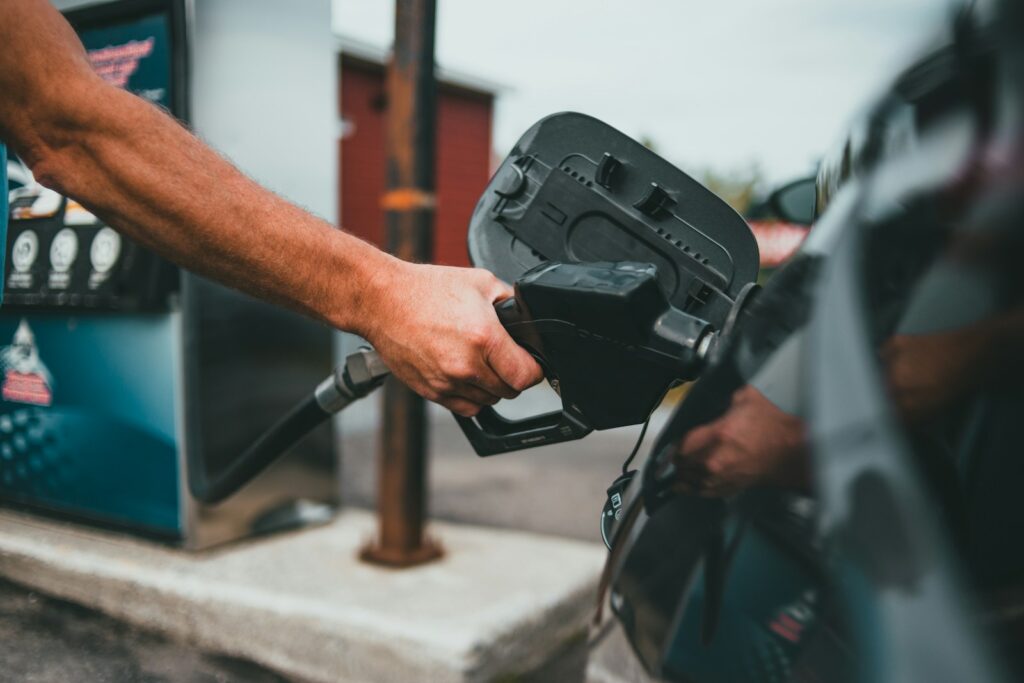
Gas stations are upgrading pumps to stop sophisticated skimming, reduce liability from unauthorized charges, and keep transactions fast for drivers. Investments focus on hardware changes, software monitoring, and staff procedures that detect tampering and limit card data capture.
The Rise of Skimming Devices and Pump Skimmers
Skimming devices have evolved from simple overlays to compact, hard-to-detect modules that sit inside or on top of a card reader. Criminals now install internal gas pump skimmers that tap into the card reader’s wiring or add wireless transmitters to send captured card data to nearby phones.
Operators report both external overlays and covert internal skimmers. Internal installs often require access panels or downtime, so criminals use cloned keys or momentary service windows to place devices. Visible overlays still exist on unattended pumps, but internal gas pump skimmers cause more high-value breaches because they capture more track data and PINs when paired with hidden cameras or fake keypads.
How Card Skimming Threatens Driver Security
Card skimmers lead directly to unauthorized charges and higher risk of identity theft when attackers capture magnetic stripe data or EMV fallback information. Drivers may not notice theft until weeks later, after multiple small charge attempts or large-ticket fraud appears on statements.
Skimming at pumps often pairs with shoulder-surfing or tiny pinhole cameras to capture PINs. Attackers use captured data to clone cards or sell information on dark web marketplaces. The result for victims includes time-consuming disputes, temporary card shutdowns, and potential credit damage — all reasons stations prioritize upgrades to limit exposure.
New Security Features: From Chip Readers to Tamper Seals
Stations now install EMV-compliant chip readers to make magnetic-stripe cloning far less effective. Many pumps also include encrypted card readers that secure data at the point of interaction, preventing raw card details from traveling through unprotected circuits.
Other tactics: tamper-evident seals on dispenser access panels, CCTV focused on pump housings, and wireless anomaly detection that flags unexpected radio transmissions consistent with skimmer exfiltration. Software monitoring logs hourly device checks and alerts operators on power or door-open events. Together, these measures reduce successful skimming, shorten incident response time, and give drivers clearer, safer payment flows.
- EMV/chip reduces stripe-based cloning.
- Encrypted readers protect data in transit.
- Tamper seals and cameras deter physical installs.
- Wireless monitoring detects skimmer transmissions.
Navigating the New Payment Steps at the Pump
Drivers face new tap-to-pay routines, stronger chip-and-token flows, and visible anti-skimming checks at pumps. Learning the steps cuts time at the pump and lowers fraud risk.
Understanding Contactless Payments and Tap-to-Pay
Contactless payments let drivers complete transactions by tapping a card, phone, or smartwatch on an NFC reader instead of inserting a chip or swiping. They typically take 1–3 seconds and often show a green light or confirmation on the pump screen.
Tap-to-pay uses the same EMV cryptography as chip transactions, so each tap generates a unique token instead of exposing raw card data. Many stations accept Apple Pay, Google Pay, and contactless credit cards; look for an NFC symbol or a contactless reader mounted near the keypad or display. If a reader fails, inserting the chip is the next secure option.
Spotting and Avoiding Keypad Overlays and Fake Keypads
A keypad overlay is a thin add-on criminals place over the real keypad to capture PINs or card data. A fake keypad can feel loose, have uneven edges, or not align with the pump housing. They may be sticky from adhesive or leave gaps where wiring is visible.
Before using a pump, press around the keypad and faceplate; a secure factory keypad won’t wobble. Compare the pump’s keypad design with others on the forecourt—mismatched fonts or colors can signal tampering. If anything seems off, use the store POS inside, a mobile app payment, or another pump and report the suspicious unit to station staff.
Tokenization and Extra Security Measures
Tokenization replaces the card number with a one-time code (token) used only for that transaction or merchant. Even if a skimmer captured a token, it is useless outside that transaction context. Tokenization works with contactless wallets and many modern EMV readers at pumps.
Stations also deploy encrypted PIN pads, tamper-evident seals, and retrofitted EMV/contactless modules to reduce skimmer openings. Some operators update their back-end to require online authorization for every transaction, which prevents offline skimmers. Drivers should watch for visible tamper seals and prefer pumps with contactless logos that indicate modern readers.
Tips to Protect Yourself from Skimming
Always choose pumps closest to the store; operators inspect those more frequently. Tap-to-pay or use the pump’s contactless reader when available to avoid inserting the card.
When forced to use a keypad, cover the keypad with one hand while entering your PIN. Inspect the card reader for loose parts, extra wires, or mismatched plastic before inserting a card. If the pump prompts unusual steps or shows error messages, step inside and pay at the register or use a station app. Finally, monitor card activity after fueling and enable transaction alerts on the issuing app to catch unauthorized charges quickly.
More from Steel Horse Rides: