
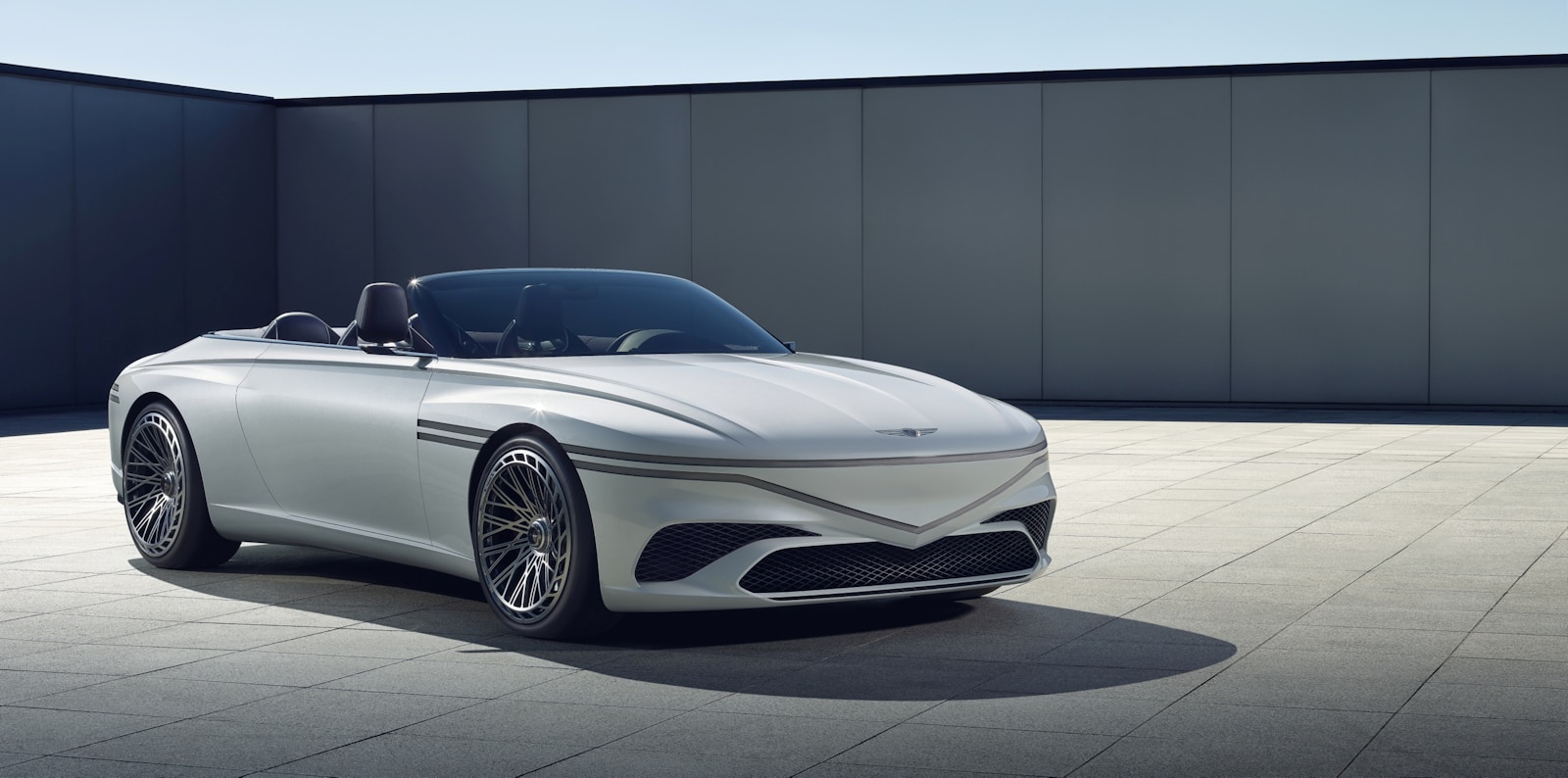

Genesis has spent the last few years looking like a full-bore luxury brand while still living in Hyundai’s shadow. That gap between image and reality is finally closing as the company moves to its own platforms, its own stores, and its own cultural footprint. The shift turns Genesis from a stylish offshoot into a genuinely independent player, and it is about to rearrange the pecking order in premium cars.
Instead of tweaking shared hardware and selling through borrowed showrooms, Genesis is building a dedicated ecosystem around its design language, electric tech, and lifestyle partnerships. The result is a brand that behaves less like a value alternative and more like a rival that Audi, BMW, and Lexus actually have to worry about.
From badge-engineered upstart to real luxury ecosystem
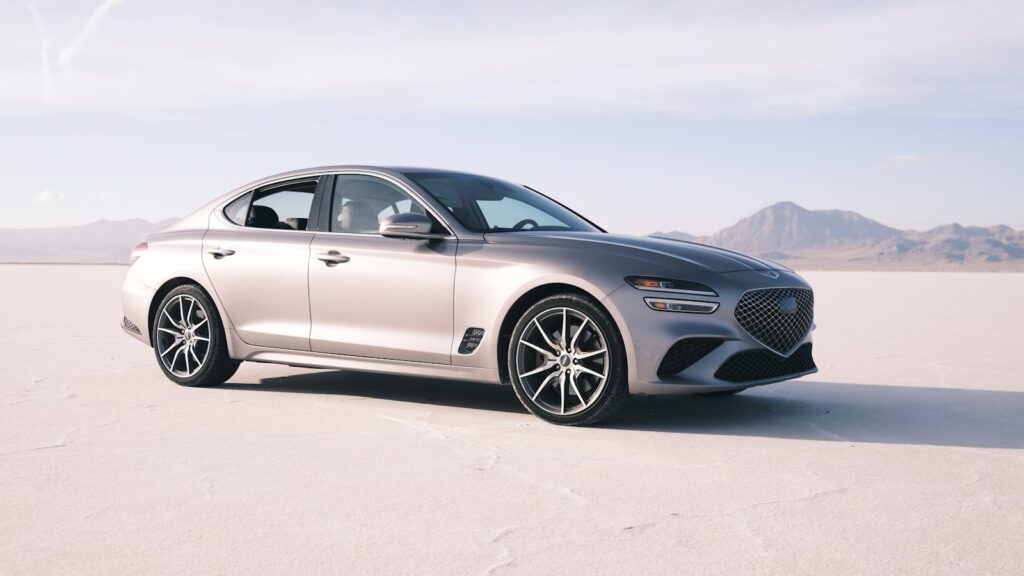
The first big change is structural. Genesis is moving away from the era when its EVs rode on group architectures and felt like polished cousins of Hyundai and Kia products. Reporting on the shift to a true standalone setup makes clear that Genesis wants its own engineering playbook, not just its own styling studio. That means future sedans and SUVs will be conceived from day one as Genesis products, with proportions, cabins, and tech stacks that do not have to fit anyone else’s constraints.
Under the hood, the centerpiece of that plan is a dedicated luxury platform that Genesis is developing from the ground up. Company officials have described how the new architecture will let Genesis dial in distinct driving dynamics instead of adapting a mass-market chassis. A separate report notes that Genesis is also launching a new EV platform in 2027 that promises a unique luxury experience for upcoming electric and hybrid vehicles, with Genesis and writer Peter Johnson tying that move directly to the brand’s premium ambitions.
That hardware pivot is matched by a retail reset. Genesis Motor North America has been steadily rolling out its own showrooms, and the company now counts a network of more than 68 dedicated retail facilities that sell its growing range of sedan, electric model, and SUV nameplates. The brand’s executives have been clear that these standalone dealerships are not just nicer buildings, they are the front door to a separate ownership experience, and internal data shows that Genesis has had great success pairing its distinctive vehicles with new, Genesis-only stores.
The EV platform that unlocks Genesis’s personality
For all the talk about design and dealerships, the real personality shift will happen in the electric architecture that underpins the next wave of models. Earlier analysis of the brand’s strategy noted that Genesis has always had the looks and finish, but its EVs have leaned on shared components that limited how far it could push performance and refinement. The move to a dedicated luxury platform, highlighted again in coverage of Genesis planning, is meant to fix exactly that.
On the electric side, the 2027 EV platform is where the brand’s ambitions get specific. The company has said that Genesis is launching a new EV platform in 2027 that will offer a unique luxury experience, with the architecture tailored to upcoming EV and hybrid vehicles rather than adapted from existing hardware. In a separate breakdown of the same plan, Peter Johnson notes that the project was detailed on Feb 6 at 7:34 am PT, underscoring how central this platform is to the brand’s near-term roadmap.
Enthusiasts have been waiting for this moment. A widely shared video titled “Genesis finally confirms it” captured the mood among early adopters who had been hearing rumors about a clean-sheet EV platform for years. That anticipation is not just about range or charging speeds, it is about Genesis finally having the freedom to tune ride quality, cabin quietness, and performance in ways that feel different from its corporate siblings, something also hinted at in earlier coverage of Genesis moving off shared platforms.
Design, culture, and retail: how Genesis sells the new identity
Hardware and showrooms are only part of the story, because Genesis is also working hard to feel like a standalone luxury label in culture. In NEW YORK, the company teamed up with the Council of Fashion Designers of America on the 2026 AAPI Design and Innovation Grant, with Genesis and the and CFDA naming Terrence Zho as the grant winner. That partnership runs through Genesis House, described as a sophisticated space that blends Korean hospitality, design, and brand storytelling, and it signals that Genesis wants to be mentioned in the same breath as fashion houses, not just carmakers.
The retail side is evolving just as quickly. Genesis Motor North America now promotes a network of more than 68 dedicated facilities that showcase its sedans, EVs, and Genesis Motor North SUV lineup, with dozens more locations in development. Dealers preparing for halo products like the GV60 Magma have seen that Genesis has had great success pairing its distinctive vehicles with new, standalone dealerships, a combination that helped the brand set a 2025 sales record. That momentum, reinforced by the buzz around future products highlighted in enthusiast coverage on Genesis and the steady drumbeat of news about a dedicated platform, is what turns the brand’s standalone ambitions into a real competitive threat.
More from Wilder Media Group: