
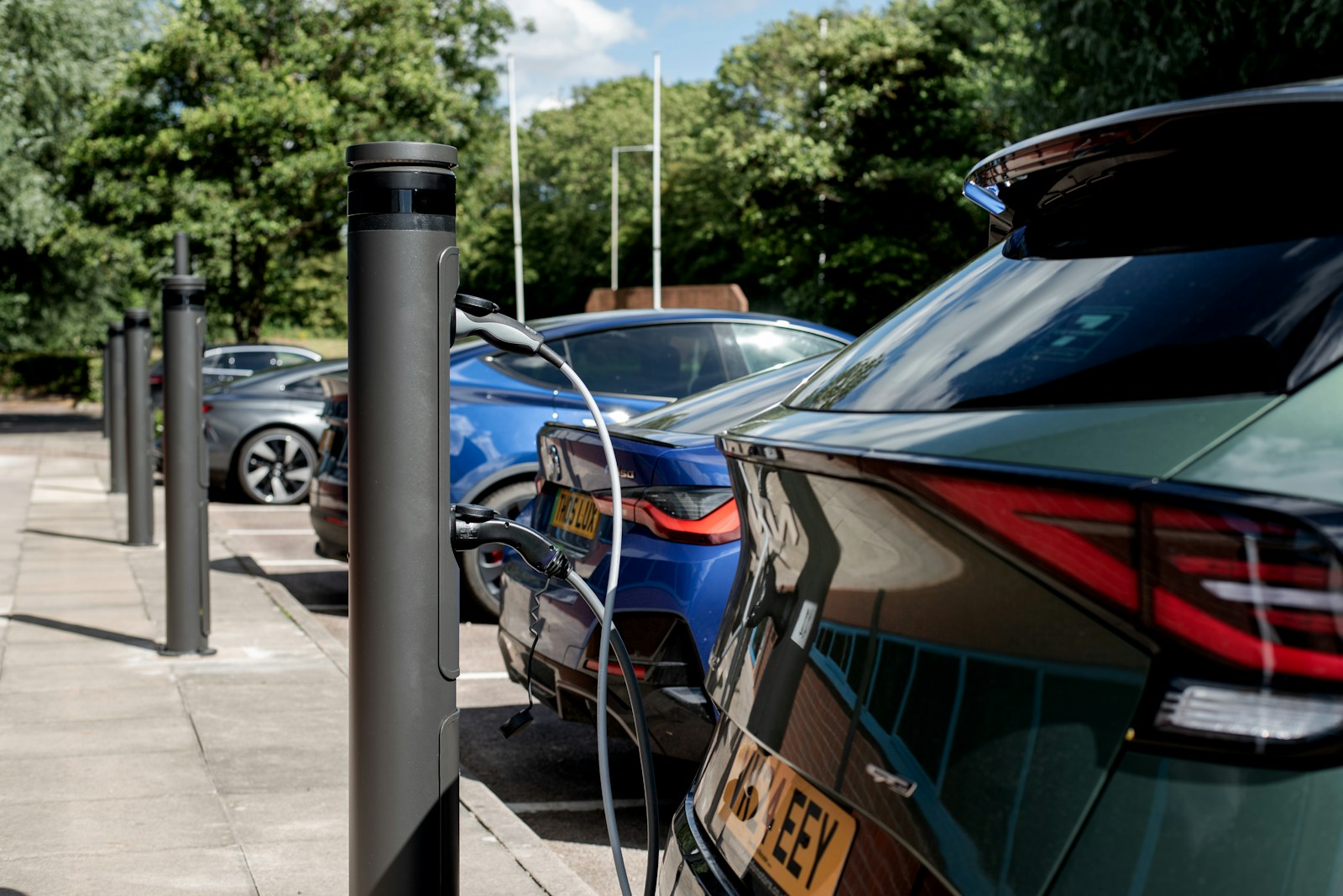

Millions of electric car owners across Britain face a new per-mile tax that could add hundreds of pounds a year to their running costs, under proposals the government is expected to finalize in the coming months. The plan, centered on a levy called Electric Vehicle Excise Duty (eVED), would replace the current system in which battery vehicles escape fuel duty and pay minimal road tax. A public consultation on the scheme closed in mid-March 2026, and ministers have signaled that legislation will follow.
For drivers who bought electric cars partly because of generous tax incentives, the shift feels like a broken promise. For the Treasury, it is arithmetic: fuel duty brought in roughly £25 billion a year before the EV transition began eroding that base. With electric registrations hitting a record 473,000 in 2025, about 23.4% of all new car sales, the gap is widening fast and something has to fill it.
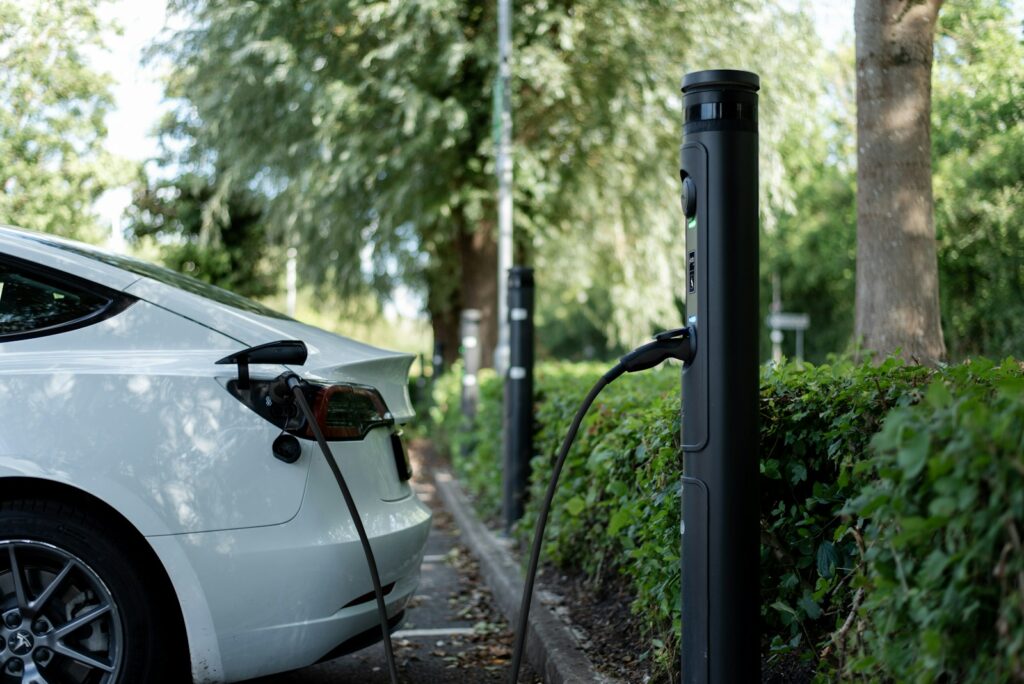
How the new system would work
The overhaul has two parts. The first is already taking effect: from April 2025, electric vehicles were brought into the standard Vehicle Excise Duty (VED) bands for the first time, ending years of zero-rate treatment. Owners of models priced above £40,000 also lost their exemption from the so-called “expensive car supplement,” an annual surcharge that adds £410 to the bill for five years. For buyers of premium EVs like the Tesla Model S or BMW iX, that change alone added a significant new cost.
The second part is more radical. Under the proposed eVED, electric car drivers would pay a per-mile charge from April 2028, calculated using odometer readings taken at the annual MOT test. The RAC’s analysis of the proposals confirms that rates would be set so the per-mile cost remains lower than what petrol and diesel drivers pay through fuel duty, though the gap is designed to narrow over time. The Office for Budget Responsibility has projected the levy will eventually raise around £1.1 billion a year.
What drivers would actually pay
Government modelling shared during the consultation suggests a driver covering 8,500 miles a year — roughly the UK average — would owe about £255 in eVED once the system is fully running. That is a new annual bill for households that had budgeted on electricity being their main motoring expense.
For higher-mileage drivers, the sums climb quickly. A family running a Hyundai Ioniq 5 or Kia EV6 over 15,000 miles a year could face charges well into the high hundreds of pounds, on top of standard VED. The charge would still leave them paying less per mile than a petrol equivalent, but the psychological impact is real: these are costs that did not exist when many of them signed finance agreements.
Rural drivers stand to lose the most
The backlash is sharpest outside major cities. Analysis by The Guardian found that drivers in south-west England and other rural areas would face the steepest bills, because they tend to cover longer distances and have fewer public transport alternatives. A nurse commuting 40 miles each way to a district hospital, or a tradesperson driving between scattered villages, would pay significantly more than an urban driver who cycles to work and uses the car only at weekends.
That disparity has prompted calls for targeted relief. Motoring organizations and rural campaign groups have urged ministers to consider lower rates for drivers outside metropolitan areas, or exemptions for essential workers. So far, the government has acknowledged the concern without committing to specific carve-outs, saying the consultation responses will shape the final design.
The clocking problem
Basing a national tax on odometer readings creates an obvious enforcement risk. Odometer fraud, known as “clocking,” is already a persistent problem in the used car market. Fleet News reported that industry groups have warned the new levy will give drivers a direct financial incentive to tamper with mileage records, and that current detection methods are not robust enough to prevent it at scale.
Digital odometers in modern EVs are harder to wind back than older mechanical units, but not impossible. Specialists can alter stored mileage data using diagnostic tools that are widely available online. Without a secondary verification system, such as telematics data or charging-network records, HMRC could face a wave of underpayment that undermines the entire revenue model.
What happens next
The formal consultation on eVED closed in mid-March 2026, and the government is now reviewing responses from motorists, manufacturers, fleet operators, and environmental groups. Ministers have indicated that detailed rates, exemption categories, and enforcement mechanisms will be set out later this year, likely alongside an autumn fiscal statement or the next Budget.
The political stakes are high. The UK’s legally binding target to end the sale of new petrol and diesel cars by 2035 depends on millions more households switching to electric. If the tax regime makes that switch feel punitive rather than rewarding, uptake could stall at exactly the wrong moment. But if the Treasury delays too long, the fuel duty shortfall will keep growing, leaving roads and public services with a funding hole that no amount of green enthusiasm can fill.
For the 1.2 million EV owners already on British roads, and the millions more weighing their next car purchase, the message from government is now unmistakable: the free ride is ending. The question that remains is whether what replaces it will be fair enough to keep the transition on track.
More from Wilder Media Group: