
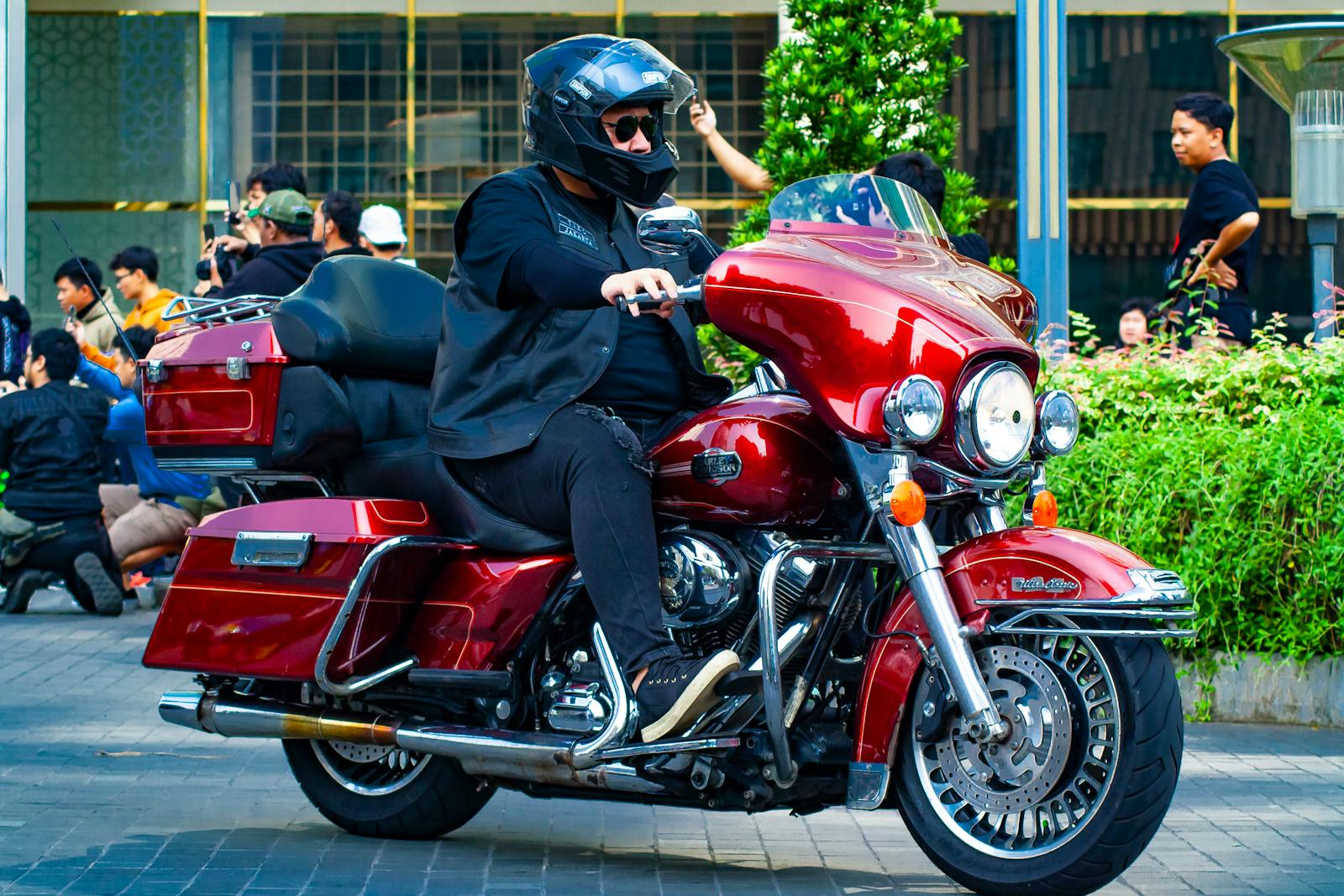

The Farrow Harley-Davidson store in Sunbury, Ohio, founded in 1912 and long recognized as the oldest Harley-Davidson dealership in the United States, has closed its doors for good. The shutdown, confirmed in late February 2026 by The Columbus Dispatch, ends a 114-year run that spanned two world wars, the rise and near-collapse of American motorcycling, and every era of Harley-Davidson’s own turbulent history. For the riders who treated the small-town shop as a gathering place, the loss is not abstract. It is the disappearance of a building they walked into for decades.
What the Sunbury store meant, and why it lasted so long
A.D. Farrow Co. opened during a period when Harley-Davidson itself was barely a decade old and the motorcycle market was a patchwork of regional startups. The Sunbury dealership outlived nearly all of them. Over the generations, the shop became a pilgrimage site for Harley enthusiasts who wanted to buy parts, swap stories, or simply stand inside a place that had been selling Milwaukee iron since before the first World War. Harley-Davidson publicly referred to the location as “America’s Oldest Harley Dealership,” a distinction the store leaned into with signage, merchandise, and event marketing that drew visitors from well beyond central Ohio.
That history is what makes the closure sting. Riders did not just buy motorcycles at Farrow. Many learned to ride there, brought their children there, and kept showing up on Saturday mornings long after they had stopped shopping. The Sunbury storefront visible on Google Maps looks like what it was: a working dealership in a small Ohio town, not a corporate flagship. That plainness was part of its appeal.
New owners, consolidation, and the end of the Sunbury shop
The closure followed a chain of ownership changes. In 2019, Ricart Automotive, which operates a 67-acre auto mall in southeast Columbus, acquired the A.D. Farrow dealership group. By early 2026, Ricart had sold the Farrow Harley-Davidson stores to a new ownership group. That group moved quickly: it announced plans to consolidate operations into larger Columbus-area facilities and shut the Sunbury location.
In a statement reported by the Dispatch, the new owners called the transition “an exciting new chapter” and pledged to honor the Farrow name going forward. The promise is that riders will find better inventory, expanded service bays, and bigger event spaces at the Columbus stores. But for customers in Sunbury and surrounding Delaware County, “consolidation” means a longer drive and the loss of a neighborhood anchor. NBC4i reported that the Sunbury dealership closed amid the ownership transition, with some longtime customers openly questioning whether they would follow the brand to Columbus at all.
Neither the new ownership group nor Harley-Davidson’s corporate office has publicly detailed what will happen to the Sunbury building or how many employees were affected by the closure. Those unanswered questions have added to the frustration in a town where the dealership was one of the most visible businesses on the main road.
A pattern riders have seen before
Sunbury is not an isolated case. Across the country, century-old Harley-Davidson dealerships have been closing at a pace that would have seemed unthinkable a generation ago. In 2021, Powersports Business reported that a 115-year-old family-owned Harley dealership in North Dakota was shutting down because the next generation chose not to continue the business. In 2024, San Francisco Harley-Davidson on Mission Street, the storied shop originally founded as Dudley Perkins Co., closed after roughly a century. Customers there told reporters that more than 100 years of business had been “run into the ground,” a blunt verdict that reflected how personally riders take these losses.
The common thread is economic pressure. Selling heavyweight cruisers and touring bikes is a lower-volume, higher-margin business than selling cars or SUVs, and small-town dealerships often lack the foot traffic to sustain modern overhead costs. Harley-Davidson’s own U.S. retail sales have been under pressure for years as the company works to attract younger and more diverse riders while its core baby-boomer customer base ages out. Consolidating into fewer, larger metro dealerships is the industry’s answer to that math. It is a rational strategy on a spreadsheet. On the ground, it means places like Sunbury lose something that cannot be replaced by a bigger showroom 30 miles south.
What comes next for the Farrow name
The Farrow Harley-Davidson brand is not disappearing entirely. The new owners have indicated they will continue using the name at their Columbus locations, banking on the goodwill that 114 years of history built. Whether that goodwill transfers to a different zip code is an open question. Dealership loyalty in the motorcycle world is intensely local. Riders bond with specific service writers, specific parking lots, specific Saturday-morning regulars. Move the name to a new building and you keep the trademark but lose the texture.
For now, the Sunbury store sits empty, and the riders who called it home are deciding what comes next. Some will make the drive to Columbus. Others will look at independent shops or competing brands. A few, inevitably, will hang up their helmets. What none of them will get back is the particular feeling of walking into a place that had been selling Harleys since 1912 and knowing that the floor under their boots had been worn smooth by more than a century of people doing exactly the same thing.
More from Wilder Media Group: