


They walk into a used‑car lot expecting the price they saw online, but the bill at signing swells by hundreds. You will learn why hidden fees now add roughly $640 to many purchases and how those costs quietly hit middle‑class budgets.
Understand the typical surprise charges and what to demand before you commit so you can stop overpaying at the dealership.
The article will explain how these fees show up, who they hit hardest, and practical steps to push back—so you can walk away with a fair out‑the‑door price.
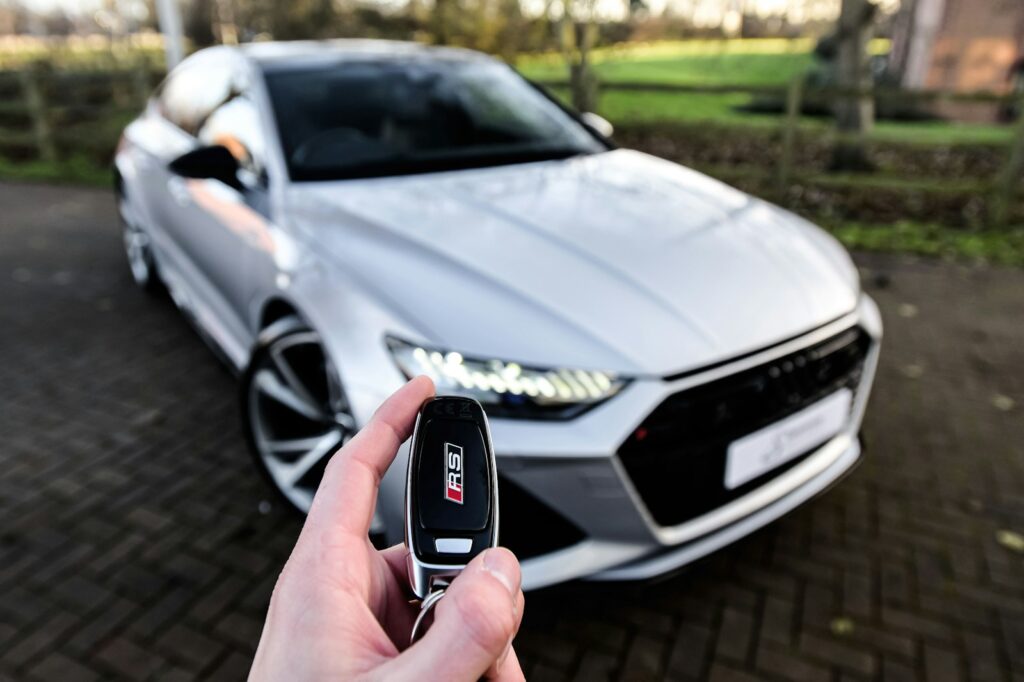
How Hidden Fees at Used Car Lots Impact Middle-Class Drivers
Hidden fees routinely push the final bill well above the advertised price, add stress to negotiations, and force many buyers to accept costs they didn’t plan for. The next paragraphs show how those fees have grown, why middle-class buyers feel the squeeze, and how bait-and-switch tactics work in practice.
The Rise of Hidden Fees in Used Car Purchases
Dealers increasingly advertise low sticker prices, then add charges later for items like documentation, dealer preparation, electronic filing, and dealer-installed add‑ons. Recent reporting finds hidden fees average about $640 per used-car transaction, and industry patterns trace back to post‑COVID inventory tightness that let dealers protect margins.
Fees often appear only on the contract or during financing, after a buyer has invested time in test drives and trade-in appraisals. That timing reduces buyers’ leverage and raises the chance they’ll accept a less-favorable out‑the‑door price rather than walk away.
Common hidden charges to watch for:
- Overstated “doc” or admin fees
- Dealer markups on financing rates
- Undisclosed add‑ons (protective coatings, alarm systems)
- Electronic filing or processing fees
Why Middle-Class Buyers Are Especially Vulnerable
Middle-class buyers typically shop with tight budgets and rely on advertised prices and online filters to find affordable options. When a vehicle listed under $20,000 gains several hundred dollars in surprise fees, monthly payment projections and loan approvals can change, squeezing budgets and sometimes disqualifying buyers from financing they expected.
These buyers also tend to have less tolerance for re-starting the search if a dealer suddenly raises the out‑the‑door price. Time constraints, work schedules, and limited inventory options amplify pressure to accept add‑ons or inflated fees instead of walking away.
Practical effects include:
- Higher monthly payments than their calculators predicted
- Reduced negotiating leverage at the dealership
- Fewer affordable choices once fees are included in the out‑the‑door price
Bait-and-Switch Pricing Practices Explained
Bait‑and‑switch starts with an attractive online listing to draw buyers in, then surfaces additional costs late in the process. Dealers may show a low VIN‑specific price online, but the in‑store contract includes ambiguous fees or markups not disclosed earlier.
This tactic works because buyers have already invested time and mentally committed to the purchase. When the dealer reveals a new line item—often labeled vaguely as “prep,” “processing,” or “convenience fee”—buyers face a choice: accept the higher out‑the‑door price or restart a costly search.
How buyers can respond:
- Demand an itemized out‑the‑door price by email before visiting
- Ask for written justification for each fee and the legal basis
- Compare typical state dealer fees to spot outliers
For more reporting on how widespread these practices are and average fee amounts, see the CoPilot-based coverage of dealer add-ons and hidden charges.
Smart Strategies to Avoid Hidden Costs When Buying a Used Car
Buyers should insist on clear totals, verify market values, and build realistic running-cost estimates before signing. A few specific steps cut the chance of surprises: demand an out‑the‑door number, separate mandatory fees from optional add‑ons, and check insurance and depreciation estimates.
Getting the Out-the-Door Price Upfront
They should ask for the out‑the‑door (OTD) price as the first number in any negotiation. That total must include the vehicle price, sales tax, registration, dealer documentation fees, and any mandatory compliance charges. If a dealer resists, this flags bait‑and‑switch risk.
Request a written OTD quote and compare it to the advertised price. Use email or text to create a record. If the dealer lists “processing” or “preparation” fees, have them itemize those charges and explain why they are required.
When financing, make the OTD price independent of monthly payment math. Dealers often change loan terms to mask add‑ons. Buyers should calculate OTD ÷ loan length to see the true monthly cost.
Knowing Typical Fees Versus Dealer Add-Ons
They need to distinguish government and lender fees from optional extras. Typical unavoidable fees include sales tax, title, and registration. These are set by state or the lender, not the dealer.
Common dealer add‑ons include extended warranties, paint protection, VIN‑etching, and gap insurance. Ask for each add‑on’s price, cancellation policy, and whether it duplicates coverage the buyer already has. Decline any item not requested.
Use a checklist during the final review: vehicle price, sales tax, title/registration, dealer doc fee, and any aftermarket items. Refuse verbal promises—get refunds or removals in writing. If a dealer sneaks in fees at signing, walk away or demand they be removed.
Comparing Used Car Values and Doing Research
They should verify fair market value with tools like Kelley Blue Book and other appraisal sites. Enter exact trim, mileage, condition, and zip code to get apples‑to‑apples comparisons. This gives leverage when a dealer inflates the sticker.
Search for comparable listings within 50 miles and note mileage and recent sales prices. Print or screenshot those listings to show the salesperson. If a dealer claims “market demand” justifying a higher price, counter with documented comps.
Have a pre‑purchase inspection lined up for older or expensive vehicles. Inspections often reveal issues that justify a lower OTD price. Combine inspection findings with KBB values to negotiate down dealer‑added premiums.
Factoring in Depreciation, Insurance, and Ongoing Costs
They must budget beyond the purchase price. Depreciation affects resale value differently for used cars and new cars; some lightly used models still lose value rapidly in the first few years. Pick models with strong resale to limit long‑term loss.
Get insurance quotes before buying, using the exact VIN when possible. Insurance differences can exceed hundreds per year between trims and safety packages. Compare quotes from at least three carriers.
Estimate routine maintenance, tires, and fuel based on the car’s age and drivetrain. Add anticipated repairs from inspection reports into the OTD negotiation. When financing, include total interest paid over the loan to see the full cost of ownership.
More from Steel Horse Rides: