
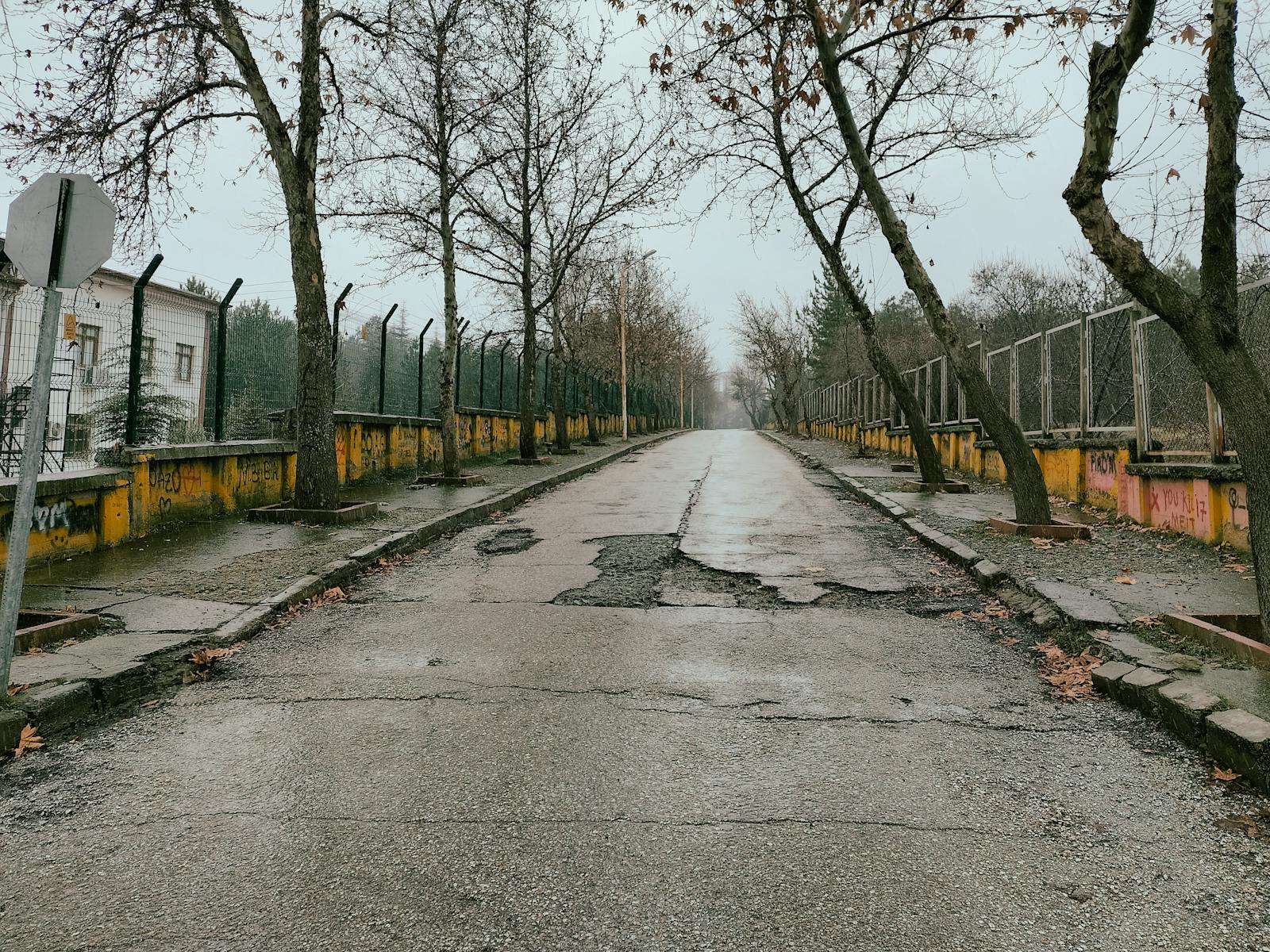

Potholes used to be one of those annoyances drivers just had to live with, along with the mystery clunks and surprise repair bills that followed. Now Honda is turning that daily frustration into a data problem, and then solving it with artificial intelligence that can spot trouble in the pavement before most people feel it in the steering wheel. Instead of waiting for someone to call in a complaint, the road itself is starting to report when it needs help.
The company has been testing a setup in Ohio that lets its cars scan for damage, flag hazards and feed that information straight to road crews, creating a kind of rolling heads-up display for infrastructure. It is a quiet shift, but if it scales, it could change how cities maintain streets and how drivers think about the humble commute.
How Honda’s rolling road inspector actually works
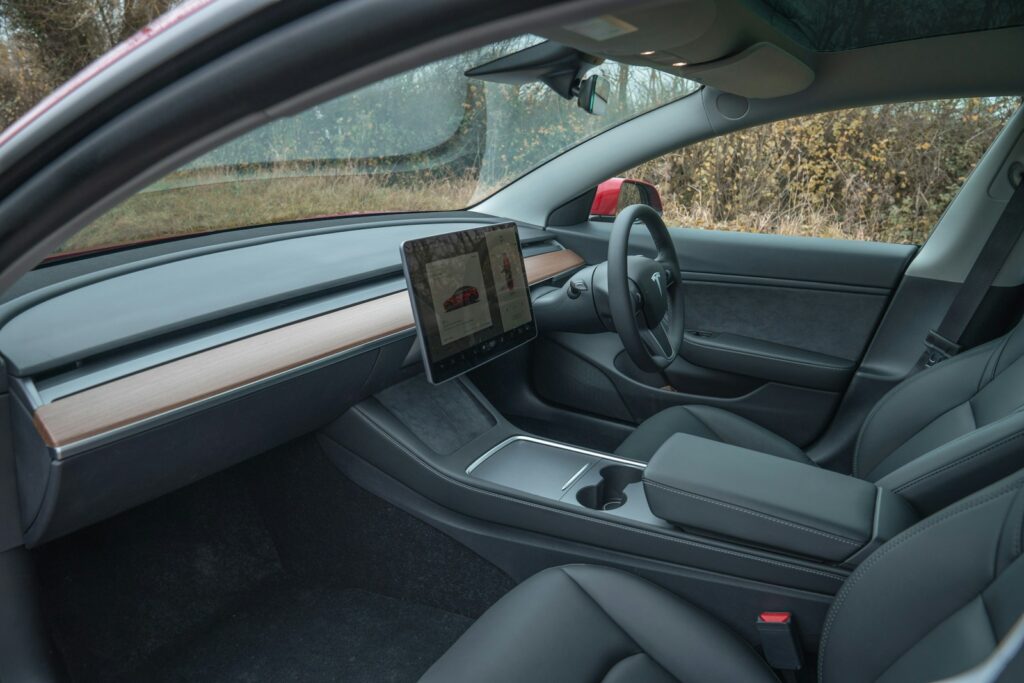
The basic idea is simple: turn every compatible Honda into a scout that notices rough pavement and missing hardware, then send that intel to the people who can fix it. In Ohio, Honda and DriveOhio teamed up on a first-of-its-kind pilot that put this concept on real roads, using vehicles that constantly watched for rough roads and emerging potholes while they were being driven normally. Local coverage described it as big news for Ohio drivers, because the system let Honda and state partners identify problem spots faster than traditional complaint lines or occasional surveys, all by tapping data from vehicles outfitted with the new technology.
Under the hood, the pilot leaned on Edge AI, which means the car itself did the first round of thinking instead of shipping raw video back to a distant server. Data collected by the vehicles was processed on board by these Edge AI models, then passed to Honda’s own cloud platform where it could be turned into usable alerts about rough roads and emerging potholes. That setup let Honda and DriveOhio treat each car as a roaming sensor package, quietly scanning the route for issues and feeding a live map of road safety problems into a shared system that could be used to prioritize road safety issues.
From pothole alerts to a full Proactive Roadway Maintenance System
Honda did not stop at just feeling bumps in the suspension. In a separate research project, a Honda vehicle was equipped with cameras and LIDAR sensors so it could visually inspect the road and surrounding infrastructure while it drove. That setup let the car detect potholes, missing or damaged signs and guardrails, and even missing or faded lane markings, then feed that information into a system designed to help Ohio road crews act before small problems turned into big ones. The researchers behind the project estimated that catching issues early and scheduling repairs more efficiently could save Ohio taxpayers $4.5 million annually, a figure tied directly to the way the LIDAR and camera sensors detected trouble spots.
That work fed into what the University of Cincinnati and Honda describe as The Proactive Roadway Maintenance System, a platform built to turn raw sensor feeds into actionable jobs for road agencies. The system detected road conditions and infrastructure deficiencies, then handed the Ohio Department of Transportation, or ODOT, a set of clear, prioritized tasks instead of a messy pile of complaints. In practice, that meant ODOT staff could log into a portal, see where the AI-equipped Honda had spotted problems and decide which ones to tackle first, using The Proactive Roadway Maintenance System as a kind of early warning radar for ODOT maintenance.
Why Ohio’s pilot hints at a new playbook for fixing roads
For road crews, the magic is not just in spotting a pothole, it is in turning that alert into a work order without a lot of extra friction. In the Ohio testing, potential maintenance issues flagged by the sensor package were uploaded to an online portal where ODOT employees could review them in real time, instead of waiting for a seasonal survey or a stack of phone calls. That same reporting noted that the program also explored how drivers might opt in to share data from their vehicles, a key step if Honda wants to move from a handful of test cars to a fleet of everyday commuters feeding a shared map of potential maintenance issues.
Video from the Ohio trials shows a Honda with added cameras and sensors rolling over local roads while ODOT workers drove the technology across real-world routes, letting the system flag cracks, holes and other damage as they appeared. That footage underlines how the approach blends into normal operations: the car looks like any other Honda on the road, but it is quietly building a to-do list for the maintenance team as it moves. The result is a feedback loop where every trip can help refine the map of trouble spots, and every repair can be checked later by sending the same sensor-equipped Honda back out over the fresh asphalt.
More from Wilder Media Group: