
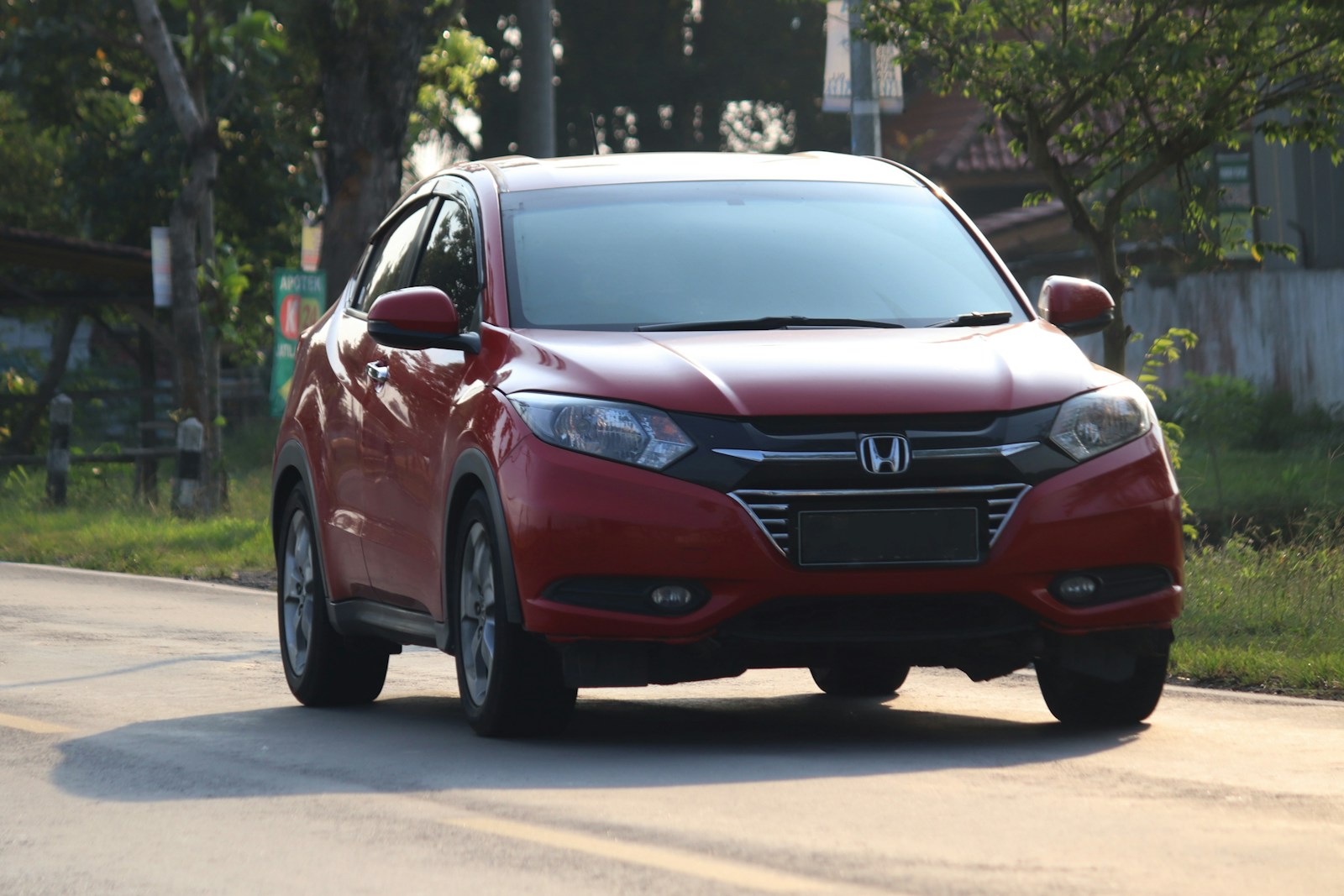

Honda is facing scrutiny after expanding a vehicle recall that now affects over a million cars and SUVs across the United States. The automaker has recalled 294,612 vehicles due to a software malfunction that could cause engines to stall or lose power while driving, adding to a series of recalls that have plagued the company throughout 2025.
The recall affects certain 2022-2025 Acura MDX Type-S, 2023-2025 Honda Pilot, and 2021-2025 Acura TLX Type-S vehicles, according to the National Highway Traffic Safety Administration. This isn’t an isolated incident for Honda. Earlier in the year, the company recalled more than 250,000 Accord Hybrids over a software flaw that could lead to accidents, and separately recalled over 400,000 Civic vehicles due to wheels that could detach.
The pattern of software-related issues has raised questions about quality control and testing procedures at one of the world’s most trusted automakers. As vehicles become increasingly dependent on computer systems, the stakes for getting the code right have never been higher.
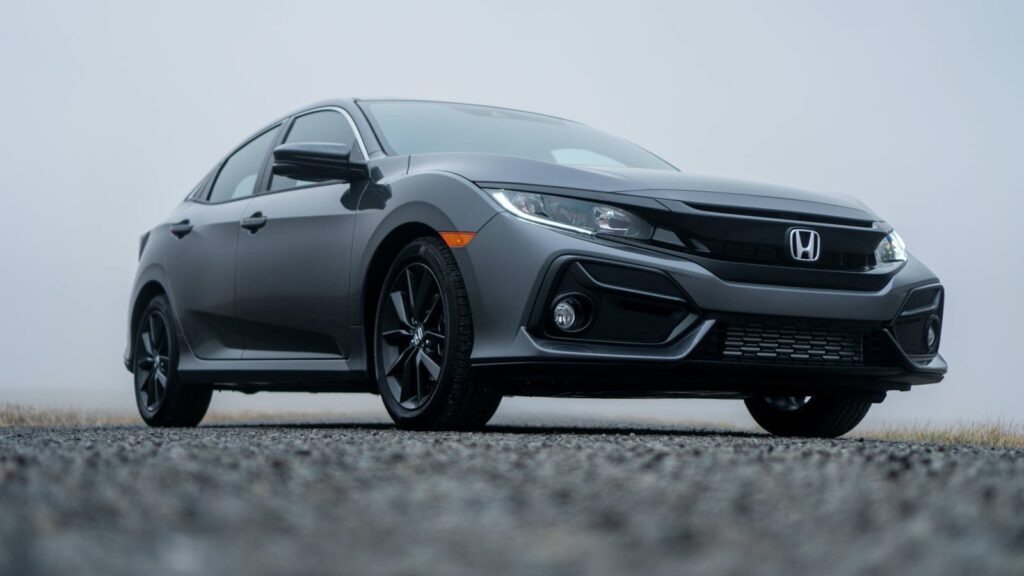
Details of Honda’s Massive Recall
Honda is pulling back hundreds of thousands of vehicles due to software problems that could leave drivers stranded or worse. The issue centers on faulty programming in the fuel injection system that can cause engines to lose power without warning.
Which Models and Years Are Affected
Honda recalled 295,000 vehicles across multiple model years and brands. The affected vehicles include both Honda and Acura models sold between 2021 and 2025.
The recall encompasses popular models like the 2025 Honda Pilot and several Acura performance variants. Among the affected vehicles are the 2025 Acura MDX Type-S and 2025 Acura TLX Type-S, both premium models with significant price tags.
The scope extends beyond this single recall. The NHTSA is also investigating 1.4 million Honda and Acura vehicles with 3.5-liter V6 engines from model years 2016-2020, including the Acura TLX, Acura MDX, Honda Pilot, Honda Odyssey, and Honda Ridgeline.
The Role of Software in the Recall
Software has become the culprit in Honda’s latest safety headache. The company identified improper programming in the fuel injection electronic control unit as the root cause of the problem.
This isn’t an isolated software issue for Honda. Earlier in 2026, Honda recalled over 65,000 vehicles for a separate software problem that caused speedometers and other critical safety features to stop working. The growing number of software-related recalls highlights how modern vehicles have become increasingly dependent on computer systems.
Fuel Injection Electronic Control Unit Issues
The fuel injection electronic control unit controls how much fuel enters the engine and when. When its software malfunctions, the engine can’t maintain proper operation.
Honda discovered that faulty programming in the FI-ECU could cause serious driveability problems. The company hasn’t received any confirmed reports of crashes or injuries related to the issue, but the potential risks prompted the voluntary recall. Owners will need to bring their vehicles to dealerships for a software update to fix the programming error.
Engine Stall and Safety Implications
Honda and Acura vehicles could experience engine stalling due to the software glitch. Engines might hesitate, lose drive power, or shut down completely while the vehicle is in motion.
An engine stall at highway speeds or in heavy traffic creates dangerous situations for drivers and passengers. The vehicle could lose power steering and braking assist, making it difficult to control. Other drivers might not expect a car to suddenly slow down or stop, increasing the risk of rear-end collisions.
What This Recall Means for Drivers
The recall requires affected Honda and Acura owners to visit dealerships for a free software update that addresses the fuel injection control unit problem. Drivers face potential engine stalling while on the road, though no serious accidents have been linked to the defect yet.
Next Steps for Honda and Acura Owners
Honda started mailing notification letters to registered owners of affected vehicles in March. The letters direct owners to bring their vehicles to authorized Honda or Acura dealerships for the required software update.
Drivers can check if their specific vehicle is included by entering their VIN into the NHTSA recall database or using Honda’s recall lookup tool. The 2025 Honda Pilot is among the affected models, along with the 2025 Acura MDX Type-S and 2025 Acura TLX Type-S.
Honda assigned specific recall numbers to help owners identify which issue affects their vehicle. Owners can also contact Honda’s customer service directly with questions about whether their car needs the update. The company has made the improved software available at dealerships across the country.
Dealer Response and Free Repairs
All affected owners receive the software update at no cost when they bring their vehicles to authorized dealerships. The repair involves reprogramming the fuel injection electronic control unit to prevent the torque control malfunction that causes engines to stall unexpectedly.
The fix cannot be completed through an over-the-air update, which means owners must schedule appointments and visit dealerships in person. Dealerships have received the necessary software and training to perform the updates on affected models.
Honda dealerships are handling the recall repairs during regular service hours. The update typically takes less time than traditional mechanical repairs since technicians only need to reprogram the vehicle’s computer system.
Why Recalls Like This Matter
The recall marks the third major Honda recall in less than a year. In October 2024, nearly 1.7 million Hondas were recalled because of steering problems.
Engine stalling while driving creates dangerous situations for drivers, especially at highway speeds or in heavy traffic. The defect stems from improper settings in the fuel injection electronic control unit that trigger torque control malfunctions when drivers suddenly change throttle position.
Honda reported no accidents or injuries linked to the malfunction so far. The company discovered the issue through internal testing and customer reports before issuing the voluntary recall.
More from Steel Horse Rides: