Honda Recalls 256,000 Vehicles Over Error That Could Cause a Crash
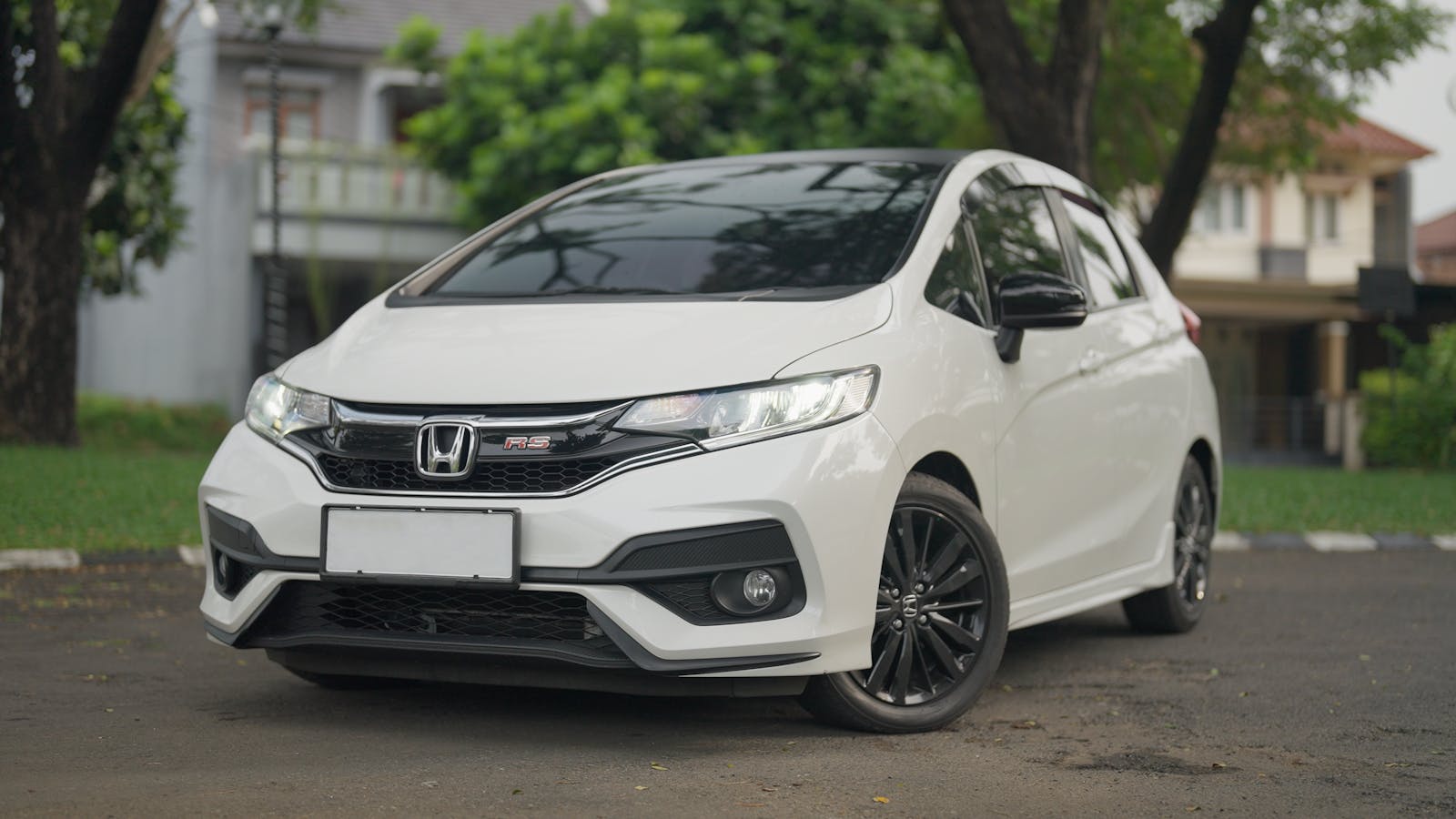
Photo by Jeremy Benaya
Madison Cates
Honda is recalling approximately 256,600 Accord Hybrid sedans in the United States because a software error in the hybrid control system can suddenly kill drive power while the car is moving. The recall covers model-year 2023, 2024, and 2025 Accord Hybrids, and the fix is a free software update at any authorized Honda dealer.
For the hundreds of thousands of owners affected, the stakes are straightforward: a car that can unexpectedly stop accelerating in traffic is a car that needs to be patched before the next commute.
Why Honda issued the recall
Photo by StockSnap
According to documents filed with the National Highway Traffic Safety Administration, the integrated control module that manages the Accord Hybrid’s two-motor powertrain can misread normal sensor signals as critical hardware failures. When that happens, the system shuts down propulsion as a protective measure, even though the engine and high-voltage battery are functioning normally.
The result: the car stops responding to the accelerator without warning. NHTSA’s filing notes that a sudden loss of drive power raises the risk of a rear-end collision, particularly at highway speeds or during passing maneuvers where the driver behind has little time to react.
Honda has reported no crashes or injuries linked to the defect as of the recall filing date. Owner complaints describing sudden power loss accompanied by dashboard warning lights began surfacing in early 2024, according to NHTSA complaint records. Engineers needed months of additional data before they could isolate the root cause in the control module’s software logic.
Which vehicles are affected
The recall covers 2023, 2024, and 2025 Honda Accord Hybrid sedans sold in the United States, totaling roughly 256,600 vehicles. All use the same generation of hybrid hardware and share the software code that contains the bug.
Owners can check whether their specific car is included by entering their 17-digit vehicle identification number (VIN) at Honda’s recall lookup page or through NHTSA’s VIN search tool. Honda is also mailing notification letters to registered owners.
The issue extends beyond the U.S. border. Transport Canada has posted a parallel recall covering approximately 6,600 Accord Hybrids sold in that market, with the same defect description and the same dealer-applied software fix.
What the fix involves
The remedy is entirely software-based. At the dealership, a technician will connect the car to diagnostic equipment and flash updated programming onto the integrated control module. The new code is designed to distinguish between genuine hardware faults and transient sensor readings that do not warrant a full power shutdown.
No physical parts need to be replaced, and Honda says the update is free of charge. Most owners should expect a visit comparable in length to a routine service appointment. Honda has classified the action as a voluntary safety recall.
What owners should do now
If you drive a 2023, 2024, or 2025 Accord Hybrid, take these steps:
Schedule a dealer appointment. Call your local authorized Honda dealer to arrange the software update. There is no cost to you.
Know what to do if it happens before the fix. If you experience a sudden loss of power or see warning lights while driving, pull over to a safe location, turn the car off, and restart it. If the problem repeats, do not continue driving. Contact Honda roadside assistance or have the vehicle towed to a dealer.
The bigger picture for Honda’s hybrid lineup
The Accord Hybrid is one of Honda’s best-selling electrified models and a cornerstone of the company’s push to put hybrid powertrains across its sedan and SUV lineup. A recall of this scale, touching a quarter-million vehicles over three model years, underscores how dependent modern hybrids are on software to manage the interplay between electric motors, batteries, and gasoline engines.
That dependency cuts both ways. Software-only recalls are faster and cheaper to execute than campaigns requiring physical parts, and they can often be completed in a single dealer visit. But they also highlight a reality that regulators and automakers are still adapting to: a single coding error can create a safety defect across an entire production run.
NHTSA continues to monitor the campaign. Owners who experience the power-loss issue after the software update, or who have trouble getting a dealer appointment, can file a complaint directly through NHTSA’s vehicle safety complaint portal.
More from Wilder Media Group: