

If someone suspects they were wrongly caught speeding because a variable speed camera misread a changed limit, they can often get fines refunded, points removed, and in some cases compensation for extra costs like higher insurance. Contacting the relevant police force and checking whether the capture came from the affected cameras is the fastest way to start a claim.
This post explains how to check if a camera error might have affected a case, what evidence helps, and the steps to request refunds and compensation so the process feels manageable rather than overwhelming.
How Drivers Can Tell If They Were Wrongly Caught Speeding
Drivers should check whether an enforcement action matches the time, place, and reason they remember. They must gather official notices, insurer correspondence, and any evidence that contradicts the alleged offence.
Technical Faults With Speed Cameras
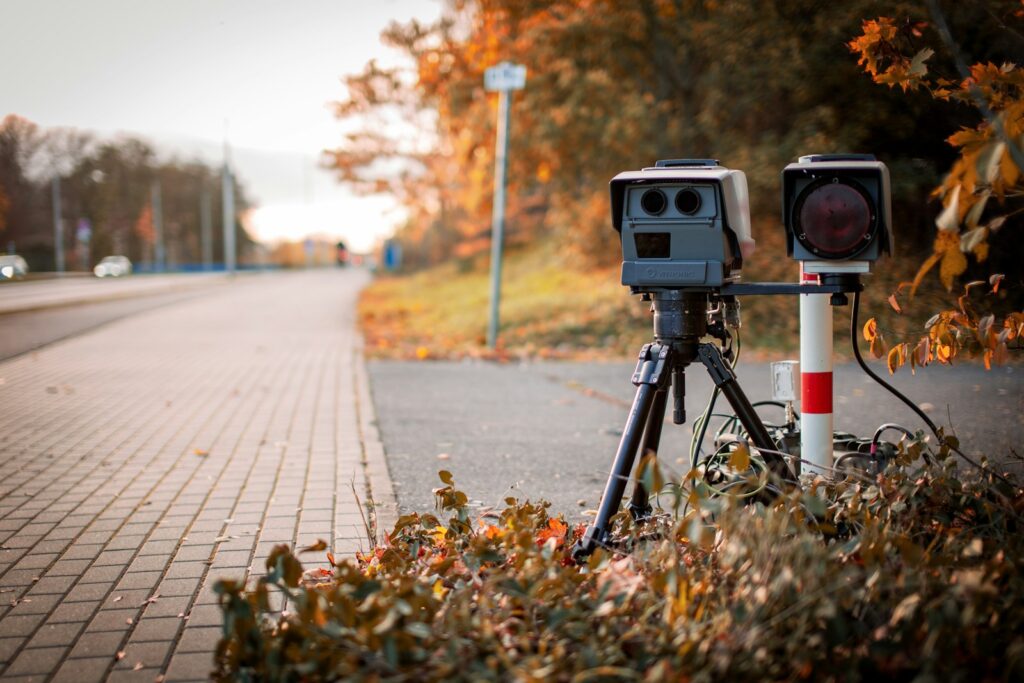
Speed cameras can misfire because of sensor errors, wiring faults, or software bugs. National Highways reported around 2,650 incorrect camera activations since 2021; that number indicates a class of technical faults that can produce false flashes without valid evidence of speeding (https://www.independent.co.uk/news/uk/home-news/speeding-fine-ticket-money-back-national-highways-b2905116.html).
Check the camera reference on the notice and ask the relevant police force for the camera log and calibration records. Look for timestamps, lanes recorded, and accompanying stills or video; missing or fuzzy images, inconsistent timestamps, or a logged maintenance event near the time can indicate a faulty activation. If the notice cites a networked variable camera on a smart motorway, request any technical incident reports from National Highways that cover that stretch of road.
What Went Wrong With Variable Speed Limits
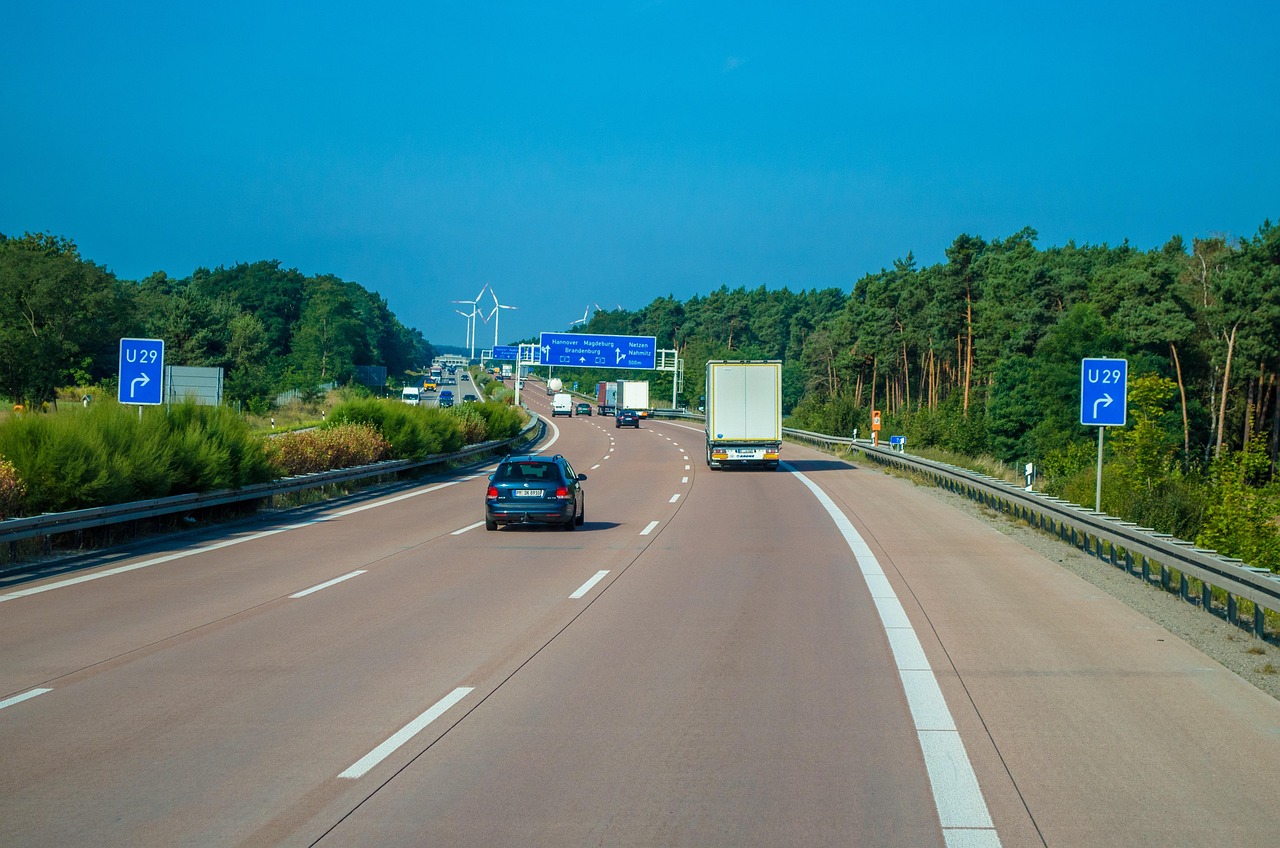
Variable speed limits change dynamically, often via overhead gantries, and they depend on correct data feeds. National Highways admitted a technical error caused incorrect activations on motorways and A-roads; these systems can present a displayed limit that wasn’t actually in force or that the enforcement system misread.
Drivers should compare the enforcement timestamp with archive images of the gantry display or dashcam footage. If the gantry showed a higher limit or no restriction while the camera recorded a lower limit, that mismatch supports a challenge. Also check for roadworks notices and official traffic-management logs; variable limits used for flow management can be applied wrongly during maintenance or after a software update.
Who Has Been Impacted
Affected motorists include people who attended speed-awareness courses, drivers who were prosecuted, and a small number who lost licences. Most affected drivers reportedly took courses, while the number wrongly prosecuted or disqualified appears to be in the low double digits (https://www.independent.co.uk/news/uk/home-news/speeding-fine-ticket-money-back-national-highways-b2905116.html).
Drivers should review any communication from police forces or National Highways that names them as impacted. Those who had to miss work for a course, suffered licence loss, or saw insurance increases should preserve evidence: course receipts, employer letters about lost hours, licence suspension notices, and insurer renewal quotes. These documents will be key when claiming financial loss arising from an incorrect activation.
Differences Between Speed Awareness Courses and Prosecutions
A speed-awareness course is an educational outcome offered instead of fixed penalties; it does not create a criminal conviction but can still cause costs and time off. Prosecutions lead to formal charges, points, fines, or disqualification; those outcomes more directly affect insurance and employment.
When assessing wrongful capture, drivers should note whether their case resulted in a course or court action. For course attendees, keep the booking confirmation, proof of attendance, and any travel or time-off receipts. For prosecuted drivers, obtain the court disposal paperwork, notice of conviction (if any), and insurance correspondence showing premium changes. These different records determine the type of redress and evidence National Highways or police will request when considering compensation.
How To Claim Money Back and Get Compensation
Drivers affected by incorrect camera activations can pursue compensation by documenting direct costs, submitting evidence to the responsible agency, and following police or government instructions. They should keep receipts, speed-awareness paperwork, and insurance records to support any monetary loss claims.
The Official Process for Making a Claim
A driver should wait for direct contact from the relevant police force; police will notify people identified as affected and provide the route for redress. When contacted, follow the instructions exactly: most forces will tell drivers how to liaise with National Highways or the body responsible for the camera network.
Prepare a clear claim packet: a copy of the notice or evidence of the camera activation; receipts for course fees or travel costs; proof of time off work; and any correspondence with courts or authorities. Submit claims within any deadlines provided and keep copies of all submissions and proof of postage or electronic delivery.
Proving Financial Loss or Increased Insurance Premiums
To show a financial loss, drivers must provide concrete documentation. Examples include invoices for speed-awareness courses, payslips showing unpaid hours, bank statements showing refunds or charges, and insurance renewal documents showing premium increases tied to penalty points.
If an insurer refuses to provide a written explanation for a premium rise, drivers should still supply year-on-year policy documents and a letter requesting clarification from the insurer. Lord Burnett raised concerns about the difficulty of proving premium increases; claimants should therefore aim to collect the fullest possible paper trail and consider a solicitor’s letter if insurers withhold information.
Who Will Contact Affected Drivers
The relevant police forces will reach out to drivers identified in National Highways’ internal review, according to Transport Minister Lord Hendy. Notifications will explain whether an activation led to enforcement and will include instructions for how to claim redress where applicable.
Not every camera flash resulted in prosecution; the review indicated around 2,650 incorrect activations and only a small number of wrongful prosecutions or disqualifications. Drivers who received enforcement letters should prioritize those police communications and follow the named contact routes for lodging financial-loss claims.
Current Reviews, Investigations, and Key Authorities
The Department for Transport has launched an independent review into the technical anomaly that caused incorrect camera activations. That review will assess how the error occurred and whether further systemic failings exist.
Key authorities involved include National Highways (which identified the activations), the Department for Transport (overseeing the review and policy response), and individual police forces (handling notifications and redress pathways). Peers such as Lord Geddes and officials like Lord Hendy have discussed variable speed limits and enforcement practices in parliamentary sessions, indicating continued scrutiny. For further background on how motorists can claim compensation after incorrect camera activations, see the reporting on claims and the review by The Independent.
More from Steel Horse Rides: