
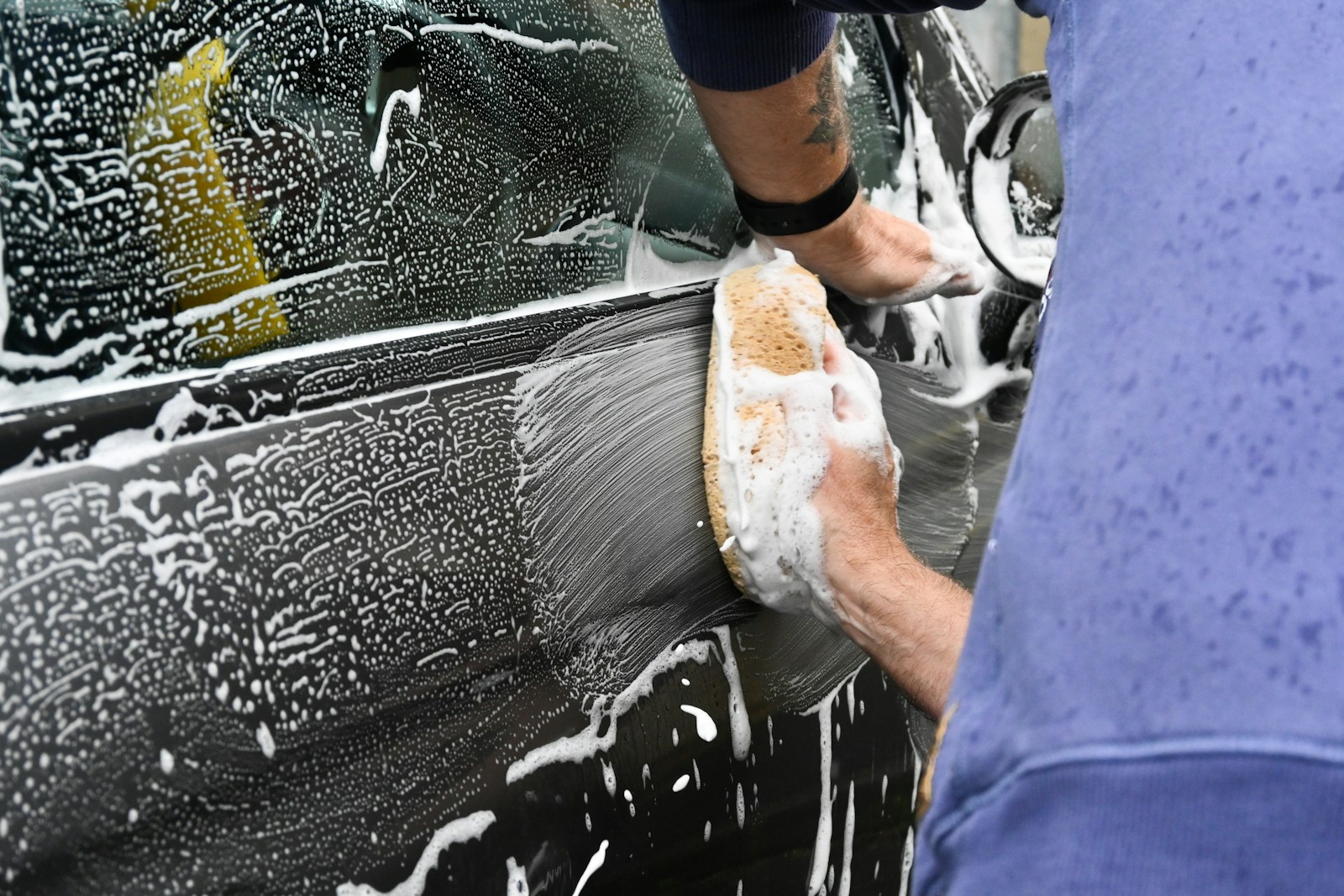

Regular waxing is one of the simplest ways to keep a car’s paint protected and glossy, but the ideal schedule is not the same for every driver. The right interval depends on how often the vehicle is used, where it is parked, and which type of wax or paint protection is on the surface already. By matching the waxing routine to real-world conditions, owners can preserve shine, slow down fading, and make every wash easier.
Instead of chasing a one-size-fits-all rule, drivers get better results by understanding how long different products last, how climate and driving habits wear them down, and which visual and tactile cues signal that protection is fading. That approach turns waxing from a guess into a predictable maintenance step that fits alongside washing, decontamination, and, when needed, machine polishing.
How often most cars really need wax
For a typical daily-driven car that lives outside, a practical baseline is to apply a traditional wax every three to four months, then adjust from there based on how the finish behaves. Conventional carnauba and hybrid liquid waxes tend to lose their water beading and slick feel after a season of sun, rain, and road grime, especially on darker colors that absorb more heat. Many detailing guides describe this three‑month window as a realistic balance between protection and effort, with some premium paste waxes stretching closer to six months when the car is garaged and washed gently using pH‑neutral shampoos and soft mitts, as outlined in step‑by‑step detailing tutorials.
Drivers who use modern synthetic sealants or ceramic-infused waxes can often extend that interval to six months or more, because these products form a more durable film that resists detergents and UV exposure longer than natural wax alone. Professional detailers frequently pair a long‑lasting sealant with a quick spray wax after washes to “top up” gloss and hydrophobic behavior, a routine that keeps protection active between major applications and is reflected in many product longevity charts. The key is to treat manufacturer durability claims as best‑case scenarios; real-world driving in harsh climates usually shortens those numbers, so observing how water behaves on the paint is more reliable than the label.
Climate, driving habits, and storage: why your schedule may differ
Where and how a car is driven can shorten or extend any generic waxing timetable by weeks or even months. Vehicles that spend long days in direct sun, especially in hot regions with strong UV exposure, see wax films oxidize and thin more quickly, which is why owners in desert or high‑sun climates often reapply protection closer to every two months during peak summer. By contrast, a garaged sedan in a mild coastal city that is driven mainly on weekends may hold its wax protection well past a season, particularly if it is washed using the gentle techniques recommended in professional exterior care guides.
Driving environment matters just as much as weather. Commuters who rack up highway miles behind trucks, or who navigate winter roads treated with salt and de‑icing chemicals, expose their paint to constant abrasion and contamination that erodes wax faster. In those conditions, many detailing checklists advise more frequent decontamination with clay bars or synthetic clay mitts, followed by fresh wax, to keep embedded particles from etching clear coat, a process documented in clay bar how‑tos. Urban drivers who park under trees face a different threat: sap, bird droppings, and industrial fallout can stain or etch through weakened wax within days if not removed, so a slightly tighter waxing schedule combined with prompt spot cleaning is often recommended.
Choosing the right wax type and what it means for timing
The chemistry of the protection on the paint is one of the strongest predictors of how often it needs to be renewed. Traditional carnauba waxes, prized for their warm glow on colors like deep black or red, typically deliver one to three months of strong water beading in daily use before gradually tapering off, especially if the car is washed with stronger detergents. Synthetic sealants and polymer-based waxes, by contrast, are engineered for durability and can often maintain noticeable hydrophobic behavior for four to six months or more, a difference that is highlighted in many side‑by‑side wax versus sealant comparisons.
Newer ceramic and graphene-infused consumer products blur the line between traditional wax and professional coatings, promising up to a year of protection under ideal conditions. Real-world testing summarized in independent ceramic FAQs suggests that while some of these products can indeed outlast conventional wax, their performance still depends heavily on prep work and maintenance washes that avoid harsh cleaners. For owners who prefer a simple routine, a practical strategy is to choose a durable sealant or ceramic spray as the main layer every few months, then use a quick detailer or spray wax after washes to refresh slickness and gloss without restarting the full process each time.
How to tell when your current wax is wearing out
Instead of relying solely on the calendar, experienced detailers watch for specific signs that the existing layer of protection is fading. The most obvious cue is how water behaves on the surface: strong, tight beads or fast sheeting indicate that wax or sealant is still present, while flat, slow‑moving water that clings to the panel suggests the film has thinned. Many maintenance guides recommend a simple hose test after washing, using the pattern of the water to decide whether a quick spray wax is enough or whether it is time for a full reapplication, a method described in practical waxing tutorials.
Touch and appearance provide additional clues. When wax is fresh, the paint usually feels slick under a clean microfiber towel and looks deep and glossy even in indirect light. As it wears, the surface can start to feel slightly grabby, and road film may cling more stubbornly during washes, both of which are signs that the protective barrier is weakening. Some owners also notice that bug splatter, tar, or bird droppings become harder to remove without aggressive scrubbing once wax has faded, a pattern that many contamination guides link to reduced protection. When several of these indicators show up together, waiting for an arbitrary date on the calendar usually leads to more staining and potential clear coat damage.
Building a simple, seasonal waxing routine
Translating all of these variables into a workable plan is easier when drivers think in seasons rather than strict monthly intervals. For many climates, a spring detail that includes washing, claying, light polishing if needed, and applying a durable sealant or ceramic-infused wax sets a strong baseline before summer sun and road trips. A second major session in early fall, focused on cleaning off bonded contaminants and renewing protection, prepares the paint for winter salt, grime, and longer periods of moisture, a cadence echoed in seasonal detailing 101 checklists.
Between those anchor points, maintenance can stay simple. Owners can wash every one to two weeks using a pH‑balanced shampoo, then apply a spray wax or quick detailer every few washes to keep the surface slick and hydrophobic without the time commitment of a full paste or liquid wax. Drivers in harsher conditions, such as a Subaru Outback that spends winters on salted mountain roads or a Ford F‑150 that tows on dusty construction sites, may benefit from adding a mid‑season refresh on high‑impact areas like the hood, front bumper, and rocker panels, a targeted approach that many front‑end protection guides recommend. By treating waxing as part of a broader, seasonal paint care routine rather than a standalone chore, owners can keep protection consistent and the finish looking sharp with less guesswork.
More from Steel Horse Rides: