

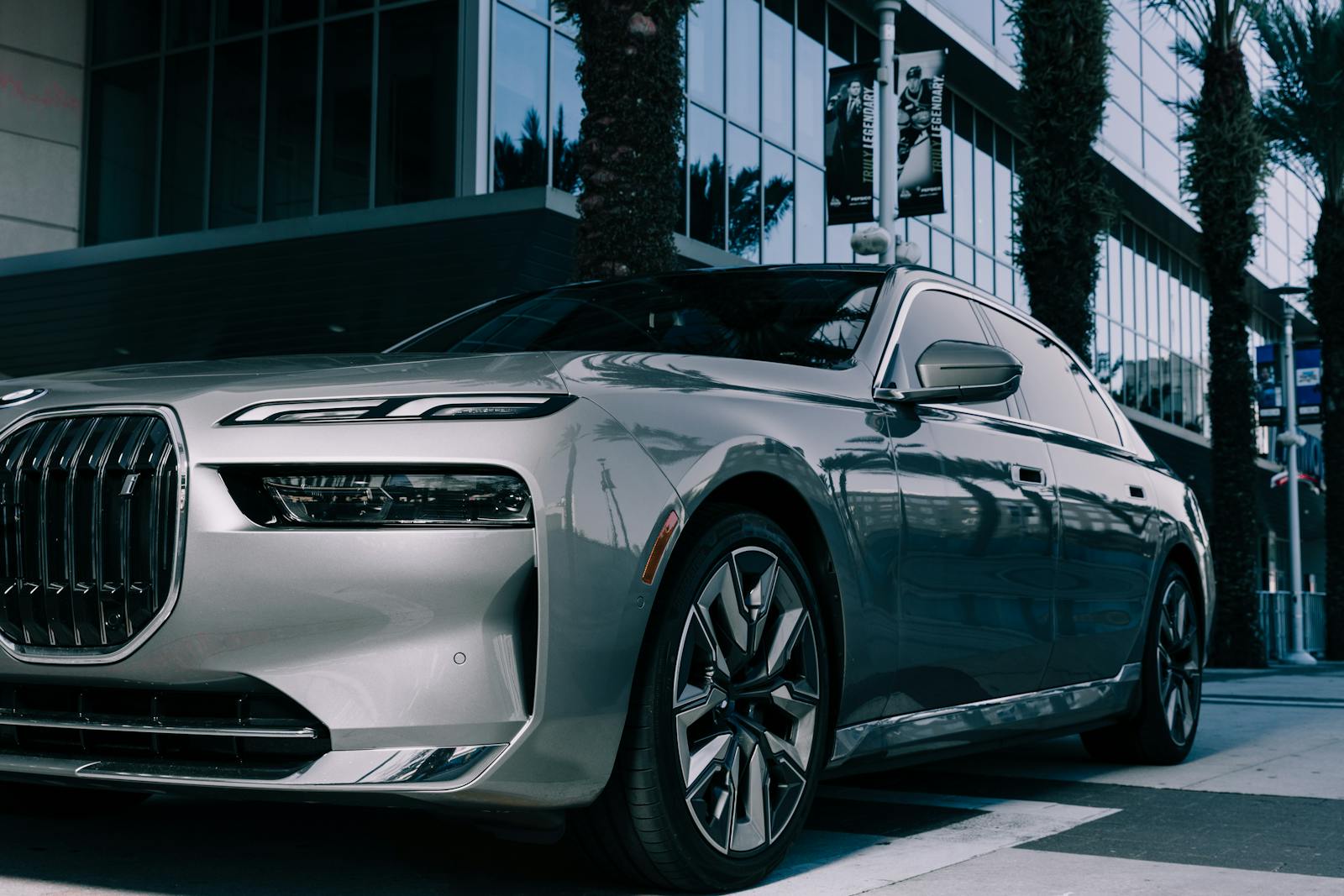
New tariffs on imported materials and components are threatening to delay the launch of next-generation vehicles in the U.S. market, affecting major automotive manufacturers and consumers alike. This situation arises as the automotive industry seeks to transition towards electric and hybrid vehicles, which are heavily reliant on imported materials such as lithium, cobalt, and battery components. With the shift towards cleaner energy, any delay could impact the availability of these vehicles for consumers looking for sustainable alternatives.
Impact of Tariffs on Automotive Manufacturers
The U.S. government recently implemented a series of tariffs aimed at various imported goods, including critical materials necessary for electric vehicle (EV) production. For example, tariffs on lithium imports have surged by 15%, significantly increasing production costs for manufacturers like Tesla, Ford, and General Motors. Industry experts estimate that these tariffs could raise the average cost of producing a next-gen electric vehicle by as much as $2,000, a significant burden that manufacturers may pass onto consumers.
Automakers are already facing tight deadlines to meet stringent emissions regulations set for 2025. Delays in production due to increased costs from tariffs may hinder their ability to launch new models on schedule. Ford’s eagerly anticipated 2023 F-150 Lightning, an electric version of its best-selling truck, faces potential production slowdowns, as the company navigates these new tariffs while attempting to ramp up production to meet consumer demand.
Supply Chain Challenges and Consumer Impact
The automotive supply chain has been under immense pressure since the onset of the COVID-19 pandemic, and the new tariffs exacerbate these existing issues. Manufacturers are grappling with semiconductor shortages and logistical challenges, which have already delayed the launch of several key models. For instance, Rivian’s R1T electric truck was delayed multiple times due to supply chain disruptions, and further complications from tariffs could lead to additional setbacks.
As a result, consumers eager to purchase the latest electric vehicles may find themselves waiting longer than anticipated. According to a recent survey, 72% of potential EV buyers are concerned about availability and pricing, with a significant number indicating they might delay their purchase due to rising costs. This hesitation could stall the broader adoption of electric vehicles, a critical component in the fight against climate change.
Economic Implications of Delayed Vehicle Launches
The economic implications of delayed launches are significant. The automotive industry is a major contributor to the U.S. economy, employing over 1 million people directly and millions more indirectly. Delays in the introduction of next-gen vehicles could lead to job stagnation or even layoffs within the sector, particularly in manufacturing and assembly plants. The ripple effect could also impact suppliers and local economies reliant on automotive-related jobs.
Moreover, as manufacturers adjust their production schedules in response to tariffs, investors may become wary. Shares of companies like Tesla and Ford have already shown volatility amid concerns about supply chain disruptions and rising costs. A delay in vehicle launches could lead to decreased investor confidence, further impacting stock prices in an already competitive market.
Government Response and Future Considerations
The Biden administration is reportedly aware of the potential negative effects of tariffs on the automotive industry. Discussions are ongoing regarding the possibility of revising or temporarily suspending these tariffs to alleviate pressure on manufacturers. However, any changes would require approval from Congress, a process that could take time and may not yield immediate relief for the industry.
Additionally, automakers are exploring alternative solutions, such as increasing domestic production of battery components and raw materials to circumvent tariff impacts. For instance, General Motors announced plans to invest $2 billion to establish a battery plant in Ohio, aiming to reduce reliance on foreign imports. However, these initiatives will take time to develop and may not provide short-term relief for upcoming vehicle launches.
Conclusion: Urgency for Consumers and Manufacturers
The looming threat of tariffs poses a significant challenge to the automotive industry, especially as it seeks to innovate and transition towards electric vehicles. Delays in the launch of next-gen vehicles could impact not only manufacturers but also consumers eager for environmentally friendly options. As the situation unfolds, it is crucial for consumers to stay informed about potential delays and pricing changes, while manufacturers must advocate for policies that support the growth of the EV market.
Consumers interested in purchasing new electric vehicles should monitor the market closely, as changes in availability and pricing may occur rapidly due to these economic pressures. It is vital for all stakeholders to engage in discussions about tariff policies and their implications for the automotive industry to ensure a sustainable and timely transition to next-generation vehicles.