


Electric vehicles can dramatically cut fuel and maintenance costs, but those savings depend on how and where drivers charge. The difference between a disciplined home-charging routine and frequent stops at public fast chargers can easily exceed $500 a year. The good news: with the right setup, rate plan and a handful of free apps, most EV owners can keep their monthly “fuel” bill well below what they once spent on gasoline.
The playbook is simple. Charge at home whenever possible, shift sessions to off-peak hours, and treat public DC fast charging as a road-trip tool rather than a daily habit. Layer in a network membership and a few efficiency tweaks, and every kilowatt-hour stretches further.
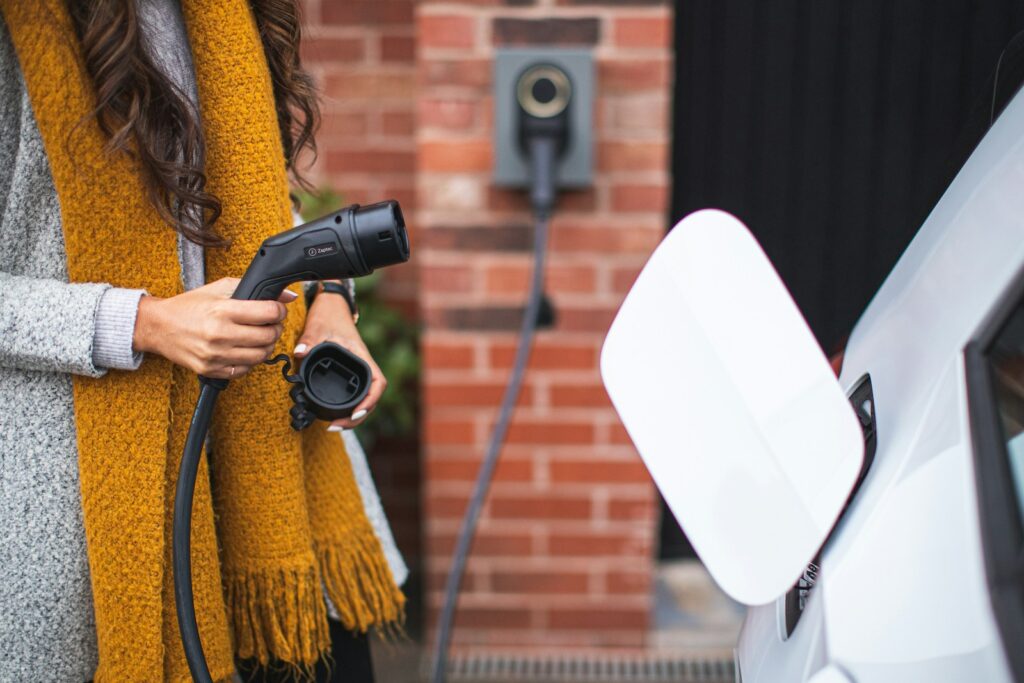
Why home charging is almost always the cheapest option
Plugging in at home means paying your residential electricity rate instead of the marked-up commercial pricing that public networks charge. According to the U.S. Energy Information Administration (EIA), the national average residential rate hovered around $0.17 per kWh as of late 2025, though it varies widely by state. In Louisiana, drivers may pay closer to $0.12; in California, the average tops $0.30.
At the national average, charging a mid-size EV with a 60 kWh battery from 20% to 80% at home costs roughly $6. Do that five or six times a month and the annual bill lands somewhere around $400 to $750, depending on how many miles you drive. The U.S. Department of Energy’s Alternative Fuels Data Center confirms that electricity for an EV typically costs less than half what gasoline costs per mile for a comparable car.
Public chargers, by contrast, often charge $0.25 to $0.50 per kWh for Level 2 service and $0.30 to $0.60 or more per kWh at DC fast chargers. Some networks add session fees, idle penalties, or both. A driver who relies on public fast charging three times a week could easily spend $150 to $200 a month, turning one of the EV’s biggest selling points into a wash.
Choosing the right home charging setup
Not every household needs a $700 wall-mounted unit on day one. EV charging equipment falls into two broad categories, and the right choice depends on daily driving distance and schedule.
Level 1 (120V, standard outlet): Every EV ships with a Level 1 cord. It adds roughly 3 to 5 miles of range per hour, which sounds slow but can recover 40 or more miles overnight. For drivers with short commutes and predictable schedules, Level 1 charging costs nothing beyond the electricity itself and requires zero installation work.
Level 2 (240V, dedicated circuit): A 240-volt setup, the same type of outlet used by a clothes dryer, delivers 20 to 30 miles of range per hour. That means a near-full recharge in four to eight hours, depending on the vehicle. Installation typically runs $500 to $2,000, according to estimates from electrician networks like Qmerit, with the biggest variable being the distance between the electrical panel and the parking spot.
Before hiring an electrician, check whether your utility offers rebates. Many do, and the federal Alternative Fuel Vehicle Refueling Property Credit (Section 30C) can cover up to 30% of equipment and installation costs, up to $1,000 for residential installations, through at least 2032.
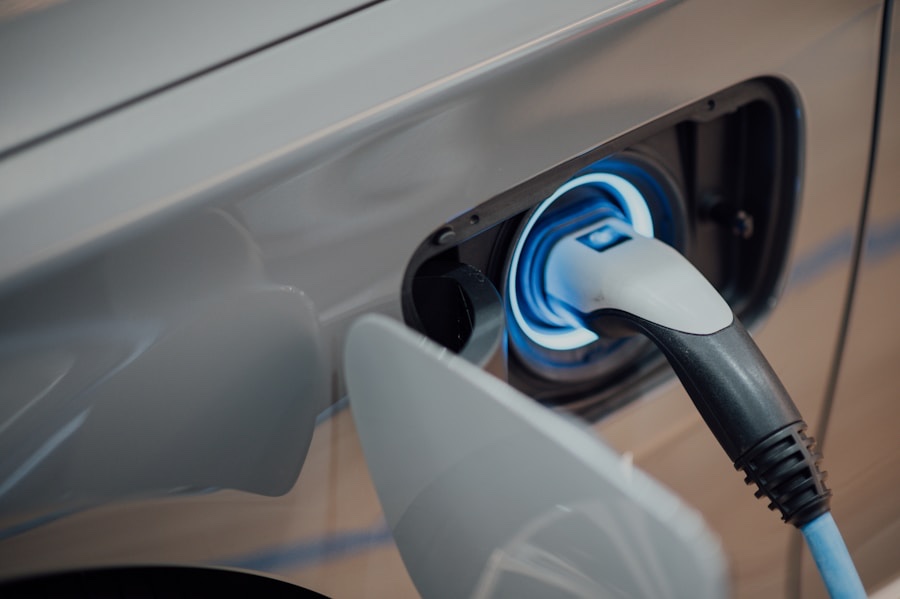
Cutting home charging costs with off-peak rates and smart habits
Installing a charger is only half the equation. When you charge matters almost as much as where.
Most utilities charge less for electricity during overnight hours when grid demand drops. Some offer dedicated EV time-of-use (TOU) plans that cut the per-kWh rate by 30% to 50% between roughly 11 p.m. and 6 a.m. Energy Harbor, for example, encourages customers to schedule sessions during off-peak windows to lock in the lowest cost per kWh throughout their plan term.
Nearly every modern EV lets drivers set a departure time in the vehicle’s software, and most Level 2 chargers have their own scheduling features. Set the car to finish charging by 7 a.m. and the system will automatically start the session during the cheapest hours.
A few other habits help:
- Precondition the cabin while plugged in. Heating or cooling the car before you unplug draws from the grid instead of the battery, preserving range.
- Charge to 80% for daily driving. Lithium-ion batteries charge most efficiently in the middle of their range. Topping off to 100% regularly adds stress to the cells and slows the final phase of charging, wasting time and marginally more energy.
- Check your electricity plan annually. In deregulated markets, tools like EnergySage let homeowners compare suppliers and find lower rates, a benefit that extends to every appliance in the house.
Combined, these adjustments can reduce home charging costs by 30% to 50% compared with plugging in at peak hours and charging to full every night, according to analysis from Recharged.
When public charging makes sense, and what it really costs
Home charging covers the daily grind, but public stations remain essential for road trips, apartment dwellers, and anyone without a dedicated parking spot. The key is understanding the pricing before you tap your card.
Public Level 2 chargers, commonly found at shopping centers, hotels and municipal lots, typically charge $0.25 to $0.45 per kWh. DC fast chargers, which can add 100 miles or more in 20 to 30 minutes, range from about $0.30 per kWh on the low end (with a membership) to $0.60 or higher at walk-up rates. Tesla Superchargers, now open to many non-Tesla EVs, generally fall between $0.35 and $0.50 per kWh depending on location and membership status.
Watch for extras. Some networks tack on a session or connection fee of $1 to $3, and idle fees (charged per minute after your session ends and you remain plugged in) can add up fast at busy stations. Always check the pricing screen or app before you start a session.
For renters and condo owners who cannot install home equipment, workplace charging is worth investigating. A growing number of employers offer free or subsidized Level 2 charging as a benefit. Municipal programs in cities like Los Angeles, Portland and New York have also expanded curbside charging pilots, sometimes at rates close to residential electricity prices.
Finding free or low-cost chargers on the road
Free public charging still exists, and a little planning can turn it into a meaningful part of your routine.
PlugShare remains the most comprehensive community-driven map of charging stations in North America. Users can filter by price, connector type and real-time availability, and the reviews often flag broken units or hidden fees before you arrive. Network-specific apps from Electrify America, ChargePoint and EVgo also show live pricing and let drivers plan routes around available chargers.
Common places to find free Level 2 charging include hotel parking lots (often reserved for guests), certain grocery and retail chains, and some public library and municipal lots. The sessions are typically slower, so they work best when you are already planning to spend an hour or two at the location.
For longer trips, Electrify America’s app and A Better Route Planner (ABRP) can map an entire corridor with charging stops, estimated costs and wait times factored in. Planning even one stop around a free or discounted charger can save $10 to $20 on a single trip.
Charging network memberships work like warehouse club cards: a small monthly or annual fee in exchange for lower per-kWh rates. Whether one is worth it depends on how often you charge away from home.
Electrify America’s Pass+ membership, for example, costs $4 per month and discounts DC fast charging rates by roughly $0.08 per kWh at its stations. ChargePoint does not charge a network fee but individual station owners set prices, so rates vary. EVgo offers a Pay As You Go tier alongside subscription plans that bundle credits with lower rates.
For drivers who charge publicly more than two or three times a month, a single membership can pay for itself quickly. The math is straightforward: if a membership saves $0.08 per kWh and you use 40 kWh per session, that is $3.20 back per stop. Two stops a month covers a $4 fee with room to spare.
Pair a membership with scheduled home charging during off-peak hours and the total cost of keeping an EV on the road drops well below what most gasoline drivers spend. The Department of Energy’s home charging guide reinforces that home electricity, especially overnight, remains the single cheapest way to fuel any passenger vehicle on the road today.
Balancing cost, convenience and long-term value
Saving money on EV charging is not about white-knuckling every kilowatt-hour. It is about building a default routine (home, overnight, off-peak) and knowing when it makes sense to pay a premium for speed or convenience on the road.
Drivers who set up a Level 2 charger at home, enroll in a time-of-use rate, and keep one network membership in their back pocket will cover the vast majority of their charging needs at the lowest possible cost. The occasional DC fast charge on a road trip is not a budget-buster; it is the price of a long-range vehicle that never needs a gas station.
As public charging infrastructure continues to expand and competition among networks pushes prices down, the economics will only improve. For now, the simplest advice holds: plug in at home, charge while you sleep, and let the savings accumulate mile by mile.
More from Wilder Media Group: