
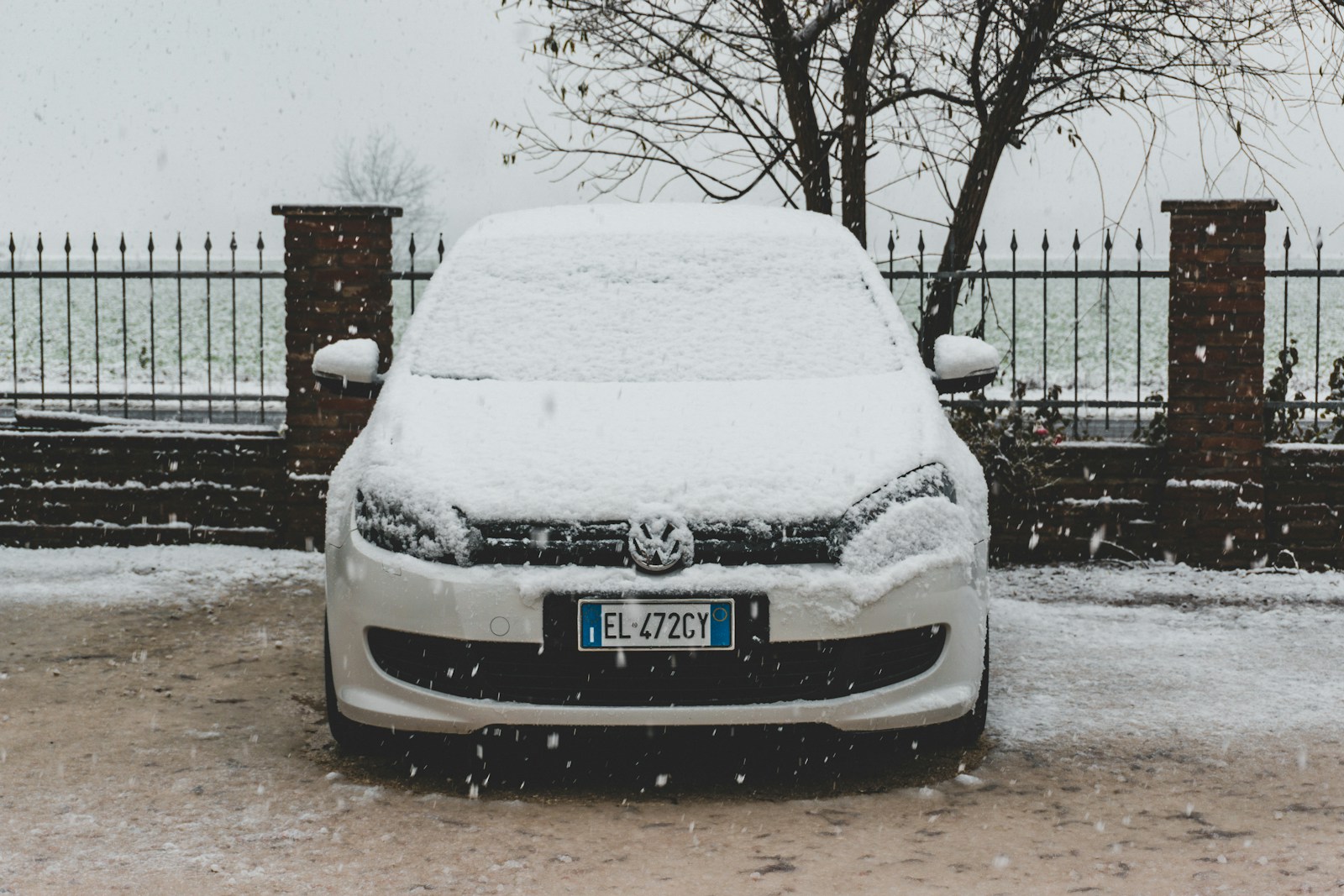

Cold weather punishes electric vehicles twice, cutting battery efficiency while forcing the car to spend extra energy on heat. Drivers feel the impact as range estimates tumble just when roads are slower and trips take longer. With a few smart habits and the right hardware, however, an EV can stay warm and comfortable without giving up more range than necessary.
The key is to shift energy use away from wasteful cabin heating and toward targeted warmth, smart charging, and efficient climate tech. That means using preconditioning, leaning on heated seats and wheels, and letting systems such as heat pumps and battery management do more of the heavy lifting.
Preconditioning and smarter use of cabin heat
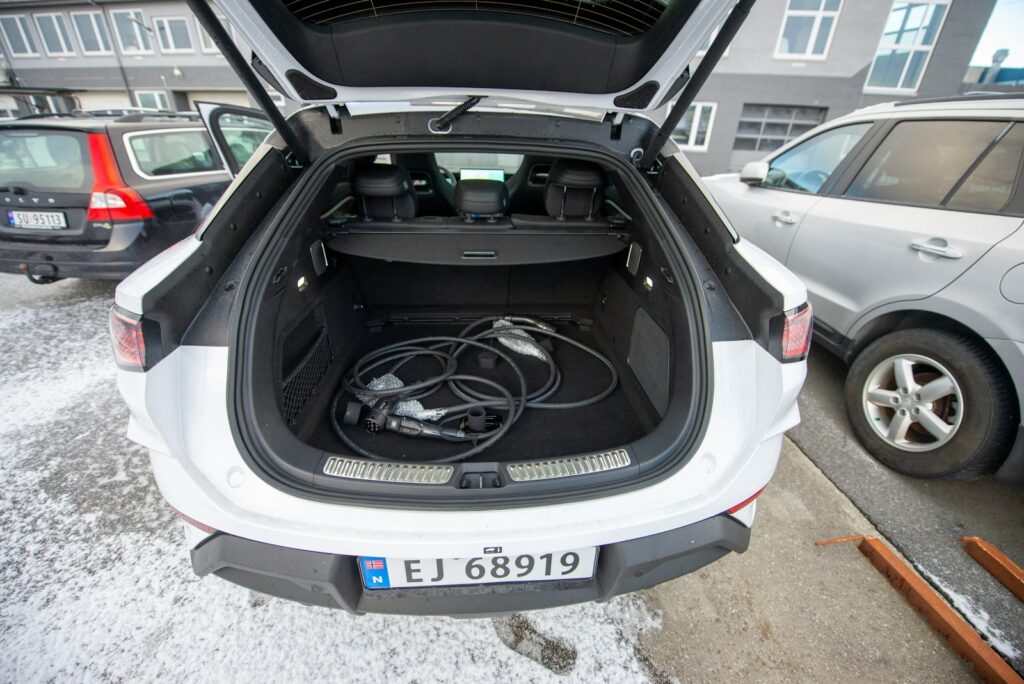
Cold thickens the electrolytes inside lithium ion cells, slowing ion movement and reducing how much usable energy the pack can deliver on each drive. This is why many manufacturers now recommend preconditioning both the battery and the cabin before setting off, especially when the car is still plugged in. Guidance that highlights how Cold weather cuts efficiency also stresses that preconditioning the car while charging keeps more stored energy available for the road instead of burning it on the driveway.
Manufacturers and energy experts consistently advise using seat and steering wheel heaters as the primary comfort tools once driving. Federal guidance notes that While running the heat may drain the battery, turning on the heated seats uses much less energy because it warms bodies directly instead of the entire air volume. Independent winter guides echo this, warning that using the car’s heater is a pretty inefficient use of electricity compared with targeted heaters, and that cutting back on full cabin heating can significantly extend range on longer journeys.
Battery care, driving strategy, and manufacturer tools
Battery health in cold climates depends heavily on how the pack is warmed and charged before each trip. Technical explainers on What Battery Preconditioning Actually Does describe how controlled heating brings cells into an optimal temperature band so they can accept charge and deliver power more efficiently. When this is done while the vehicle is connected to a charger, Battery preconditioning while plugged in uses grid power instead of stored energy, which creates a net benefit in cold conditions. Consumer-focused advice aligns with this, encouraging drivers to precondition electric vehicles on home power so the pack and cabin are already warm when the trip begins.
Major brands now bake these practices into their apps and owner guidance. Tesla, for example, instructs drivers in its Model X manual to use the mobile app Before Driving, navigating to Climate and Defrost to melt ice and warm the cabin using the high voltage battery as needed. The same instructions explain that Tesla recommends activating climate settings while the car is still connected to shore power, so the pack remains closer to ideal temperature once the drive starts, which improves performance and range. Similar winter guides from Ford emphasize Winter Ready habits such as planning routes around fast chargers and using scheduled departure features so the vehicle finishes charging and warming shortly before leaving, a strategy that supports Cold Weather Electric Vehicle Confidence by keeping the battery in its most efficient window.
Driving style matters just as much as preparation. Range advice from dealership and utility programs stresses that both very cold and very hot temperatures can lower an EV battery’s performance and range, which means aggressive acceleration and high speeds in winter compound an already reduced buffer. Practical tips from regional programs such as Here are our top six tips recommend slowing slightly on highways, using Eco drive modes, and keeping tires at the recommended pressure so rolling resistance stays low. Dealer-backed explainers like Feb guidance on How To Maximize highlight that optimizing charging habits, such as finishing a charge just before departure and relying on DC fast charging only when necessary, is essential for long trips in the cold.
Heat pumps, hardware choices, and real-world comfort
Hardware decisions at purchase time can significantly change how much range an EV loses in winter. A newer and more efficient type of heater is a heat pump, which moves heat instead of generating it purely through resistive elements. Data from Recurrent’s 2023 winter weather update, summarized in a study on Untitled, shows that vehicles equipped with these systems can cut winter energy use for heating significantly at steady highway speeds, compared with resistive-only setups that may draw as much as 18.67 kW at 65 mph. Follow-up analysis on Recurrent and other consumer guides argue that for EV shoppers looking to minimize winter range loss, a heat pump is now one of the most important options to consider.
More from Wilder Media Group: