
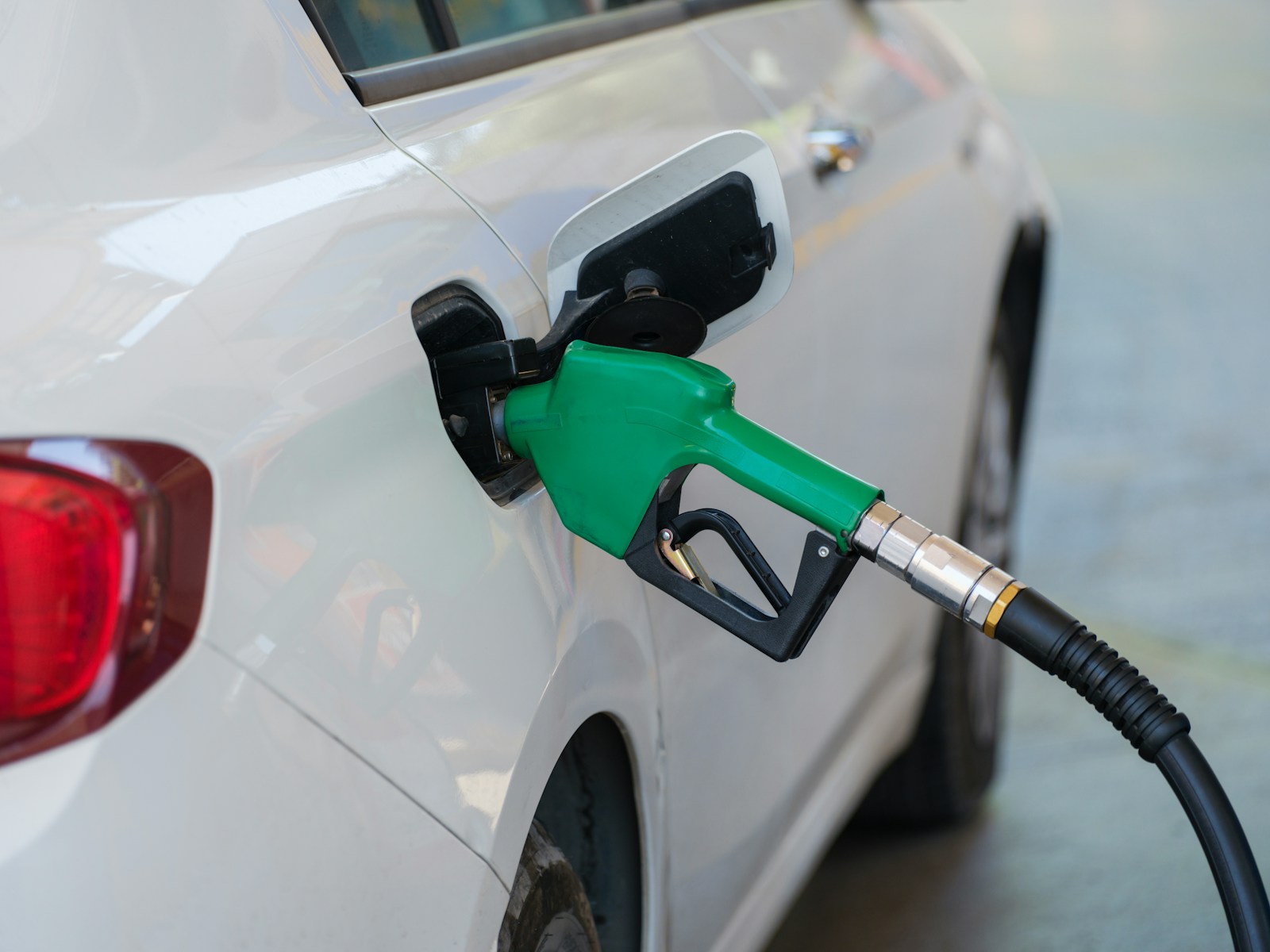

You can save real money on fuel by switching from diesel to a modern hybrid—often with little change to daily driving habits. Hybrids now match or beat diesel on many real-world routes, cutting fuel costs and easing maintenance for people who drive for work or long commutes.
They appeal because they blend familiar fueling patterns with better economy and growing market availability. The article will explore why hybrids are displacing diesel, how their efficiency and tech compare, and what that means for the vehicles people choose next.
Why Hybrids Are Replacing Diesel Cars
Hybrids cut fuel use on city and highway drives, cost less to operate, and fit buyers who want lower running costs without charging infrastructure. Manufacturers are adding hybrid variants to mainstream models, widening choices and narrowing the price gap with diesel.
Fuel Savings as a Key Driver
Drivers who average long commutes and mixed city/highway routes see clear gains from hybrids. Modern non-plug-in hybrids recover energy through regenerative braking and allow the gasoline engine to run at higher-efficiency points, improving real-world miles per gallon compared with many diesel models in stop-and-go traffic. Fleet managers and high-mileage private owners calculate total cost of ownership and often find hybrids reduce fuel spend by a noticeable percentage each year.
Upfront pricing for many hybrid trims sits close to diesel alternatives, especially as makers absorb hybrid development costs. That reduces payback periods and makes hybrids attractive to cost-conscious car buyers focused on fuel economy and lower monthly operating expenses.
Evolving Consumer Preferences
Car buyers now prioritize convenience and predictability as much as efficiency. Hybrids require no home charger and avoid public charging uncertainty, which appeals to those who want better fuel economy without lifestyle changes. Familiar driving behavior and long-track reliability from brands like Toyota reinforce trust among risk-averse shoppers.
Automotive industry marketing and model lineups reflect this shift. Mainstream crossovers and compact sedans increasingly offer hybrid options, making it easier for buyers to choose a hybrid instead of a diesel variant. That choice elasticity accelerates diesel’s decline as consumer tastes move toward vehicles that combine efficiency with minimal behavior change.
Impact of Rising Fuel Prices
When pump prices climb, small differences in miles per gallon translate into large monthly savings. A driver averaging 15,000 miles per year with a hybrid getting 50 mpg instead of a diesel at 40 mpg saves roughly 75 gallons annually—directly cutting fuel bills. For commercial operators, those savings compound across fleets and route frequency, shifting procurement toward hybrids.
Rising fuel costs also influence resale values and total cost calculations used by retailer finance teams and leasing firms. As expected fuel price volatility continues, hybrids present a hedge against operating-cost spikes, prompting both individual buyers and fleet purchasers to favor hybrid models over diesel ones.
Hybrid Vehicles: Efficiency, Technology, and Market Shift
Hybrids combine a gasoline engine and electric components to cut fuel use, lower CO2, and keep range. Buyers gain improves miles per gallon, fewer fill‑ups, and often lower ownership costs versus diesel or large gasoline SUVs.
How Hybrid Technology Delivers Better Fuel Economy
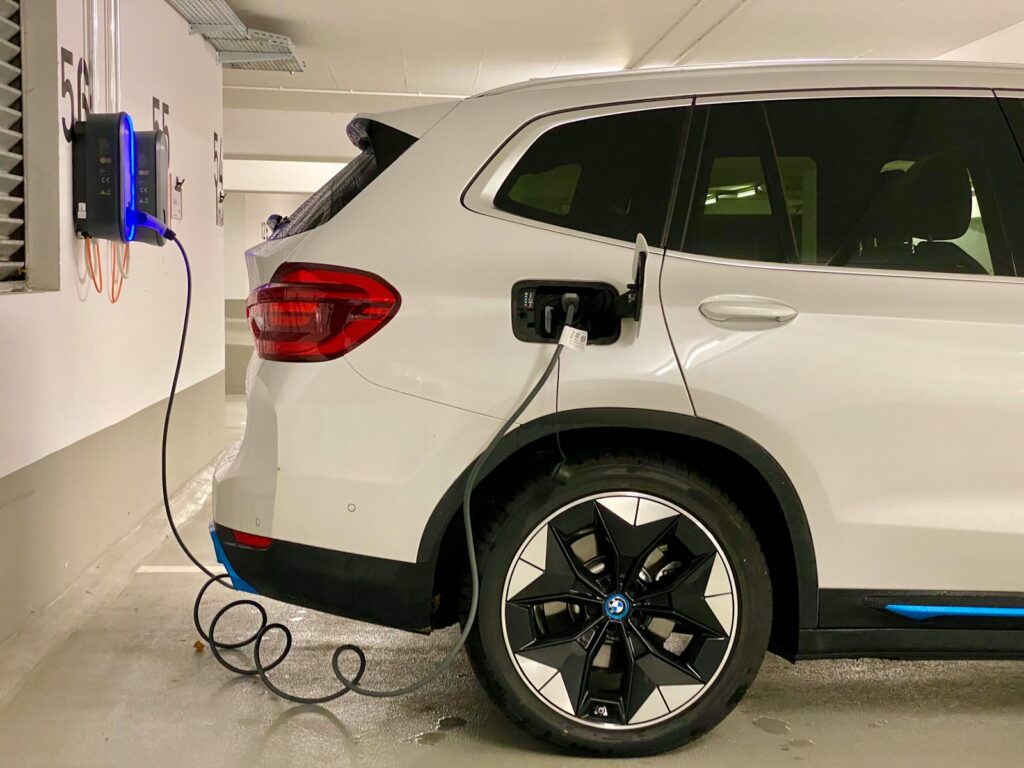
Hybrid systems pair an internal combustion engine with one or more electric motors and a battery pack to shift load away from the engine during low‑power driving. Regenerative braking recovers kinetic energy to recharge the hybrid batteries, reducing wasted fuel in stop‑and‑go traffic.
Power-split and series-parallel designs let the vehicle run on electric assist, engine-only, or both; this flexibility raises effective fuel efficiency across city and highway cycles.
Manufacturers calibrate engine stop‑start, CVT or multi-speed transmissions, and electric motor torque fill to keep the combustion engine in its most efficient band.
Example: compact hybrids such as the Toyota Prius and midsize crossovers like the Toyota Highlander Hybrid typically deliver 30–50% better real-world mpg compared with equivalent non-hybrid models, lowering fuel spend for urban commuters and long-distance drivers alike.
Plug-In Hybrids Versus Conventional Hybrids
Plug‑in hybrid vehicles (PHEVs) add a larger battery and external charging capability to conventional hybrids, supporting short all‑electric trips before the gasoline engine engages.
PHEVs can eliminate fuel use for daily commutes if drivers charge regularly; conventional hybrids never require plugging and still reduce consumption through electric assist and energy recapture.
Tradeoffs: PHEVs carry heavier battery packs and often weigh more, which can reduce fuel advantage on long trips if drivers skip charging. They also rely on accessible charging infrastructure to maximize benefits, unlike non‑plug hybrids.
Buyers should compare electric range, battery warranty, and typical driving patterns: a PHEV suits a driver with <40 miles daily and reliable access to charging, while a conventional hybrid suits drivers prioritizing simplicity, lower upfront cost, and consistent fuel savings.
Comparing Real-World Emissions and Fuel Consumption
Laboratory test numbers differ from on-road performance; real-world fuel consumption depends on driving style, climate, and duty cycle.
Strong hybrids often show a ~30% reduction in tailpipe greenhouse gas emissions versus equivalent non‑hybrid models over their lifetimes, with notable fuel cost savings across a decade of ownership. ICCT analysis showing hybrid GHG reductions
PHEV emissions vary more: when driven mostly on battery, CO2 and fuel use drop substantially, but if used like a conventional car without charging, their lifecycle emissions can approach those of gas vehicles.
Drivers should inspect real-world mpg reports, consider local driving patterns, and use manufacturer charging and efficiency tools to estimate expected savings and carbon footprint reductions.
Hybrid Cars and Environmental Sustainability
Hybrid vehicles reduce tailpipe carbon dioxide emissions compared with pure internal combustion models, helping automakers meet tighter emissions regulations and fleets meet corporate targets.
Reduced fuel consumption lowers dependence on diesel and compression‑ignition engines, especially for urban fleets and delivery vehicles where stop‑start cycles amplify hybrid gains.
Advances in battery technology and lighter materials keep improving hybrid efficiency and lowering lifecycle emissions. Automakers expanding hybrid lineups make them accessible across price points, enabling broader adoption without needing widespread charging stations.
Incentives such as rebates and targeted policies for low‑emission models further tilt purchase decisions toward hybrids, supporting a more practical near‑term pathway to greener transportation while EV charging networks scale up.
More from Steel Horse Rides: