
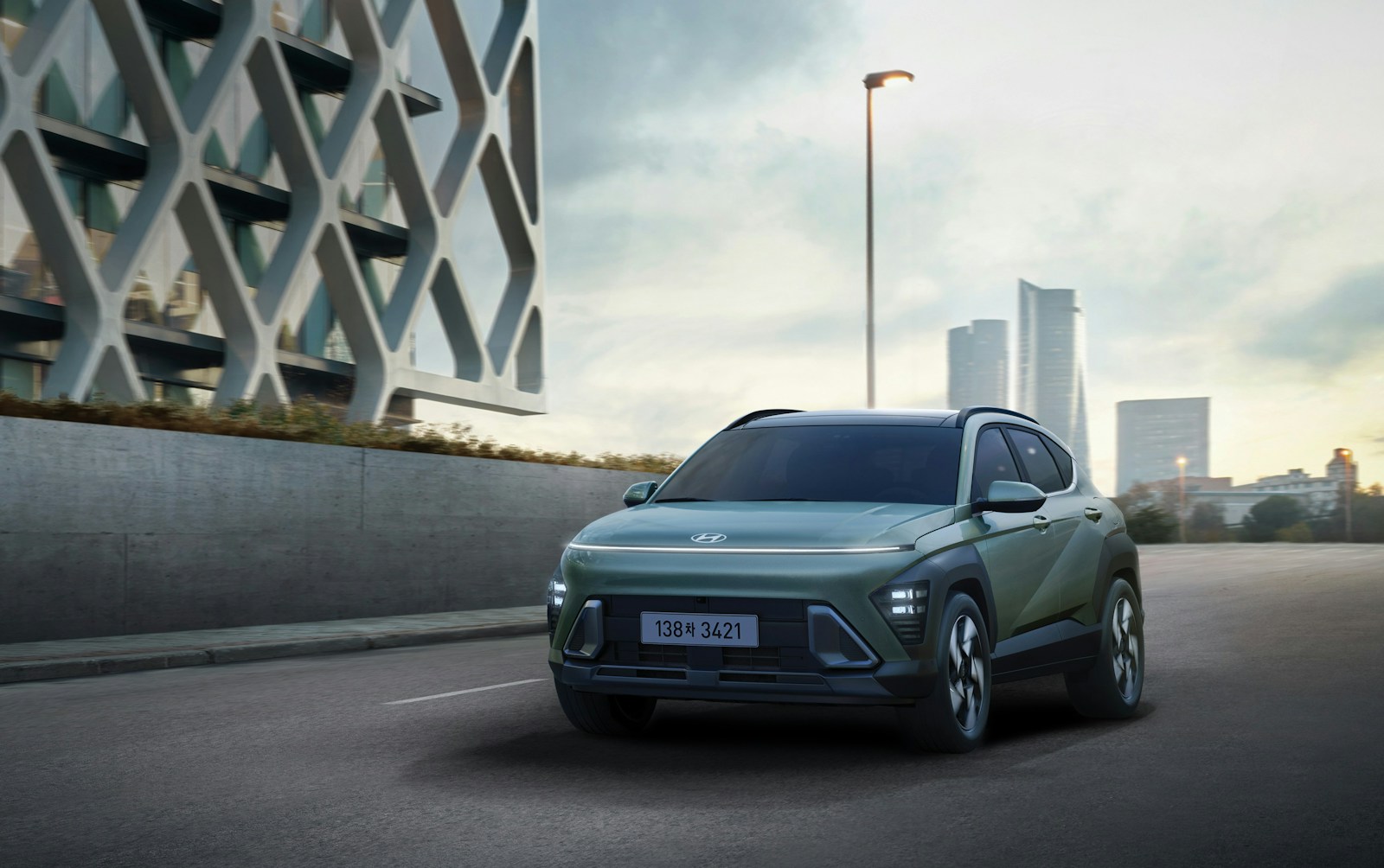

Hyundai is tapping the brakes on one of its most important electric cars, shelving the Kona Electric for the 2026 model year in the United States even though it is currently the brand’s most affordable battery-powered option. The move looks jarring at first glance, especially for shoppers who counted on the Kona as an accessible way into EV ownership, but it is less a retreat than a reset. Behind the pause are slowing sales, swelling inventories, and a plan to bring back a redesigned version once the market catches its breath.
For drivers, that means the window to grab a new Kona Electric in its current form is shorter than expected, while Hyundai quietly rearranges its EV lineup and factory output. The decision also hints at how quickly the ground is shifting under mainstream electric models, as automakers juggle price pressure, incentives, and consumer hesitation about going all in on battery power.
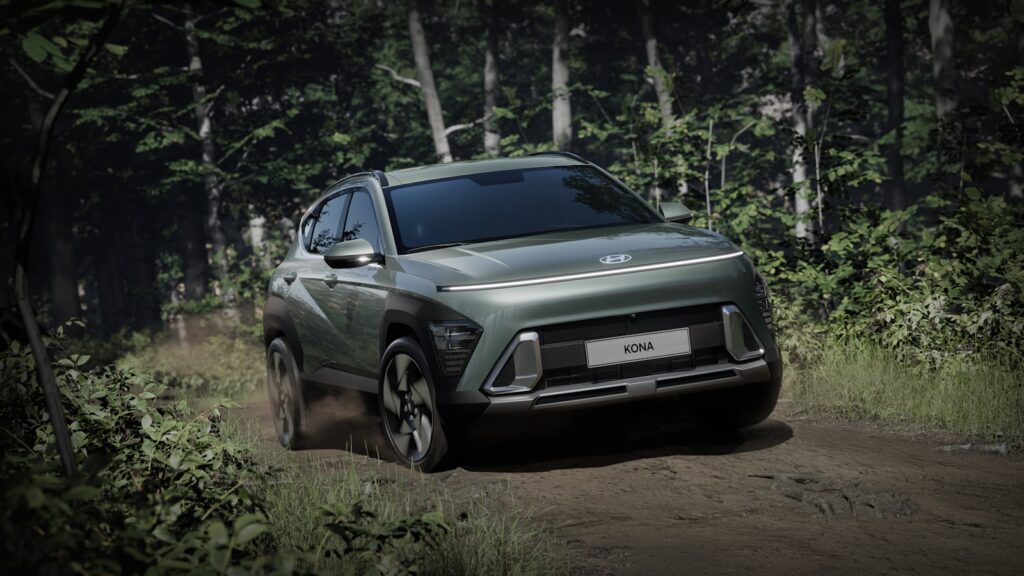
Why Hyundai’s cheapest EV is stepping out of the spotlight
Hyundai has confirmed that the Kona Electric will sit out the 2026 model year in the US, even though the subcompact crossover is, as one report puts it, Hyundai’s Cheapest EV a temporary Break. A Hyundai spokesperson has tied the move to economics rather than engineering, saying the company is responding to demand and inventory realities rather than walking away from small electric crossovers altogether. That tracks with broader market data: Although the Kona Electric is currently Hyundai’s most affordable battery-electric vehicle in the US, figures from Cox Automotive show that EV growth has cooled, leaving some brands with more cars on lots than customers ready to buy.
That slowdown has real consequences for how many cars Hyundai can justify building and shipping. After a burst of early enthusiasm, the Kona Electric has been caught in a tougher environment where shoppers are more price sensitive and often leaning toward hybrids. Reports note that Although the Kona is the entry point to Hyundai’s EV range, the company is staring at an inventory glut that makes another full model year run hard to justify. In that light, pausing the car rather than discounting it into the ground is a way to protect both margins and brand positioning while it prepares a fresh model for 2027.
A pause, not a funeral, for Kona Electric fans
Hyundai is being careful to stress that this is not the end of the road for its small electric crossover. Multiple reports underline that a new Kona Electric model for 2027 is planned, with the current gap framed as a tactical breather rather than a phaseout. One analysis notes that Hyundai is effectively skipping a single model year while it readies the next generation, a move that lets the company align the car with updated styling, software, and battery tech already rolling into its newer EVs. Another report points out that Hyundai Kona Electric production at a South Korean factory has already been paused, which fits with the idea that the company is clearing the decks for a redesigned version rather than trickling out more of the current car.
Hyundai insiders have also been blunt about the short term: After slowing EV sales and an inventory glut, After reviewing the numbers, the company is benching the Kona EV for 2026 but keeping it in the playbook. That nuance matters for shoppers who might otherwise assume the model is being killed off. Instead, Hyundai is signaling that it wants to bring the car back in a stronger position, likely with a cleaner fit alongside its Ioniq-branded models and a better shot at meeting demand without overbuilding. For now, the message is simple: if a new Kona Electric is on the wish list, the current generation is a limited-time offer.
What it means for shoppers and Hyundai’s EV strategy
For existing fans, the news lands with a thud. One social media post summed it up as Sad news for Kona EV loyalists, noting that the 2026 model year is dropping all versions except for the smallest battery SE trim and that dealers will be selling remaining 2025 stock while supplies last. That effectively turns the current Kona Electric into a run-out special, which could tempt bargain hunters but also limit choice for buyers who wanted higher-spec versions. Outside the US, the car is still very much alive: in Australia, for example, Hyundai Motor Company is advertising the KONA Electric + N Lin at a driveaway price of $54,990 through participating Hyundai dealers, highlighting how regional demand is shaping different strategies.
In the bigger picture, the pause shows how Hyundai is recalibrating its EV rollout rather than slamming it into reverse. One report notes that Hyundai Kona Electric the 2026 model year as the company prepares a redesigned 2027 model, a move that frees up resources for other electric projects and lets dealers work through existing inventory. At the same time, Hyundai is keeping a foothold in the affordable EV space by maintaining limited trims and leaning on markets where demand is stronger. For shoppers, the takeaway is that the Kona Electric is not gone, but the next chance to buy a brand-new version in the US will likely look different, both in design and in how it fits into Hyundai’s broader electric lineup.
More from Wilder Media Group: