

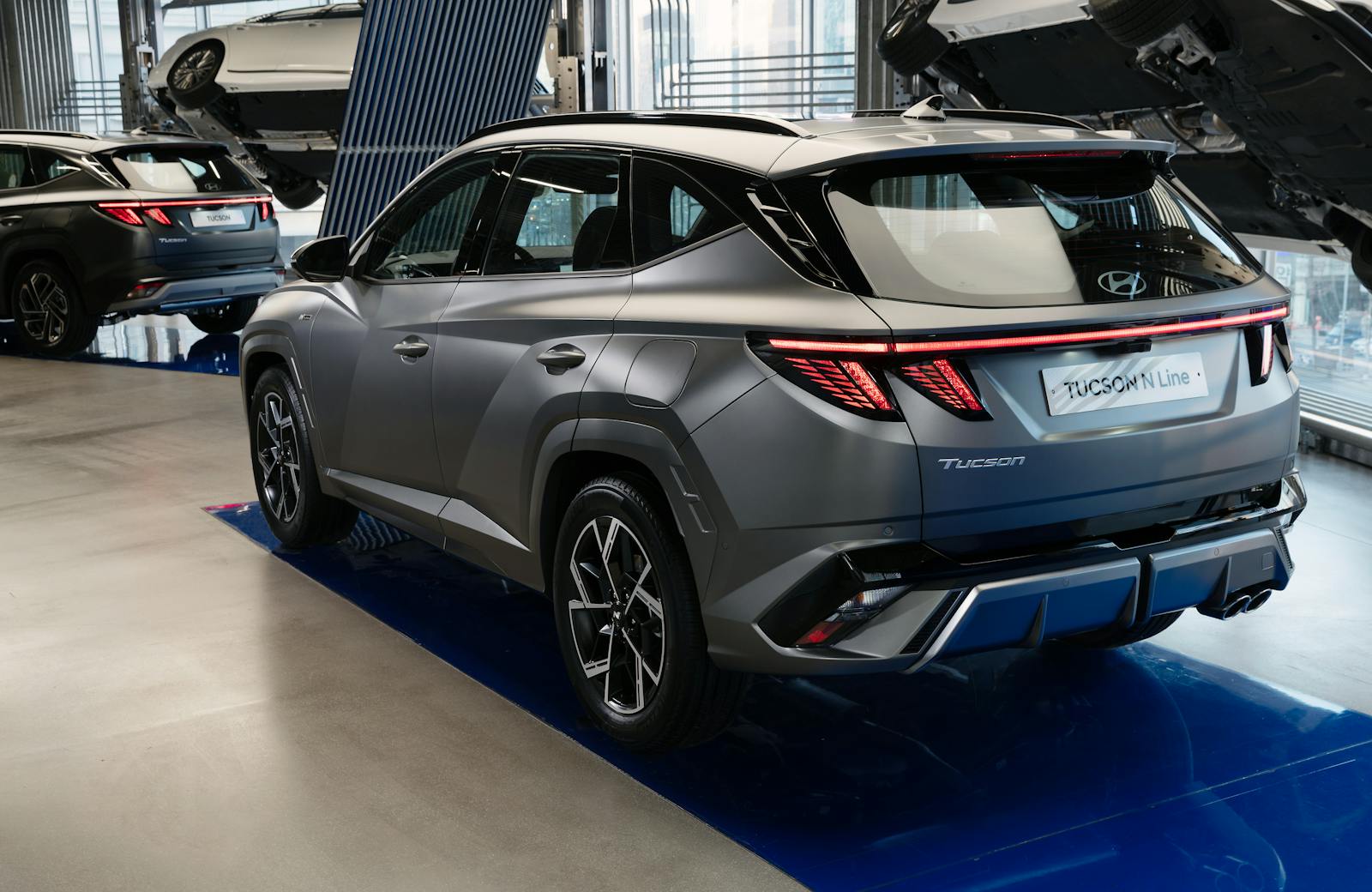
Hyundai has announced a significant recall affecting over 90,000 Tucson models due to potential fuel line leaks that could pose a fire hazard. The recall, which includes 2022 and 2023 Tucson vehicles, is a critical safety issue that underscores the importance of addressing manufacturing defects swiftly to protect consumers and prevent accidents.
Details of the Recall
The recall, designated under the National Highway Traffic Safety Administration (NHTSA) campaign number 23V-603, impacts approximately 91,000 Tucson units sold in the United States. According to Hyundai, the issue arises from defective fuel line assemblies that may have been improperly manufactured, leading to the potential for fuel leakage. This defect not only jeopardizes vehicle performance but also significantly increases the risk of a fire, especially if the leaking fuel comes into contact with a hot engine component.
Models Affected
The recall specifically targets Tucson models manufactured between March 2021 and February 2023. Owners of 2022 and 2023 Tucson vehicles are urged to check their vehicle identification numbers (VINs) to determine if their cars are included in this recall. The NHTSA has provided a searchable database on its website where consumers can easily find recall information based on their VINs.
Manufacturer’s Response
In response to the recall, Hyundai has stated that it will notify affected vehicle owners via mail, outlining the steps necessary to remedy the situation. The company has committed to repairing the fuel line assemblies at no cost to the owners. Dealerships are expected to begin the notification process by mid-October 2023. Hyundai has assured customers that it is working diligently to ensure the safety and satisfaction of its vehicle owners.
Consumer Safety Concerns
This recall highlights the ongoing safety challenges automakers face in ensuring that their vehicles are free from manufacturing defects. Fuel leaks can lead to catastrophic accidents, making it imperative for vehicle owners to comply with recall notices promptly. Hyundai’s proactive approach in addressing this issue demonstrates the company’s dedication to consumer safety, but it also serves as a reminder for all drivers to stay informed about recalls that may affect their vehicles.
Previous Recalls
This is not the first time Hyundai has faced safety-related recalls. In 2021, the company recalled over 100,000 vehicles due to engine issues that could increase the risk of a fire. The prevalence of recalls across the automotive industry raises questions about manufacturing processes and quality control measures. As of 2023, the automotive industry has seen a surge in recalls, with an estimated 25 million vehicles affected in the U.S. alone. This trend emphasizes the need for ongoing vigilance among consumers regarding vehicle safety.
What Should Affected Owners Do?
Owners of the affected Tucson models are strongly encouraged to take action immediately. The NHTSA advises vehicle owners to refrain from driving their cars until the necessary repairs are completed. Hyundai customers can contact their local dealerships or the Hyundai customer service hotline for more information regarding the recall process. Additionally, the company has set up a dedicated webpage where consumers can find updates about the recall and its resolution.
Conclusion
As the automotive landscape continues to evolve, the safety of consumers remains a top priority for manufacturers. Hyundai’s recent recall of over 90,000 Tucson models for fuel line leaks serves as a critical reminder of the importance of addressing safety issues head-on. Vehicle owners must stay informed and take the necessary steps to ensure their vehicles remain safe for use. For those who own a 2022 or 2023 Hyundai Tucson, it is crucial to verify your vehicle’s recall status and take immediate action.
Stay safe and informed—check your VIN today and ensure your vehicle is not part of this recall. Your safety is paramount.