
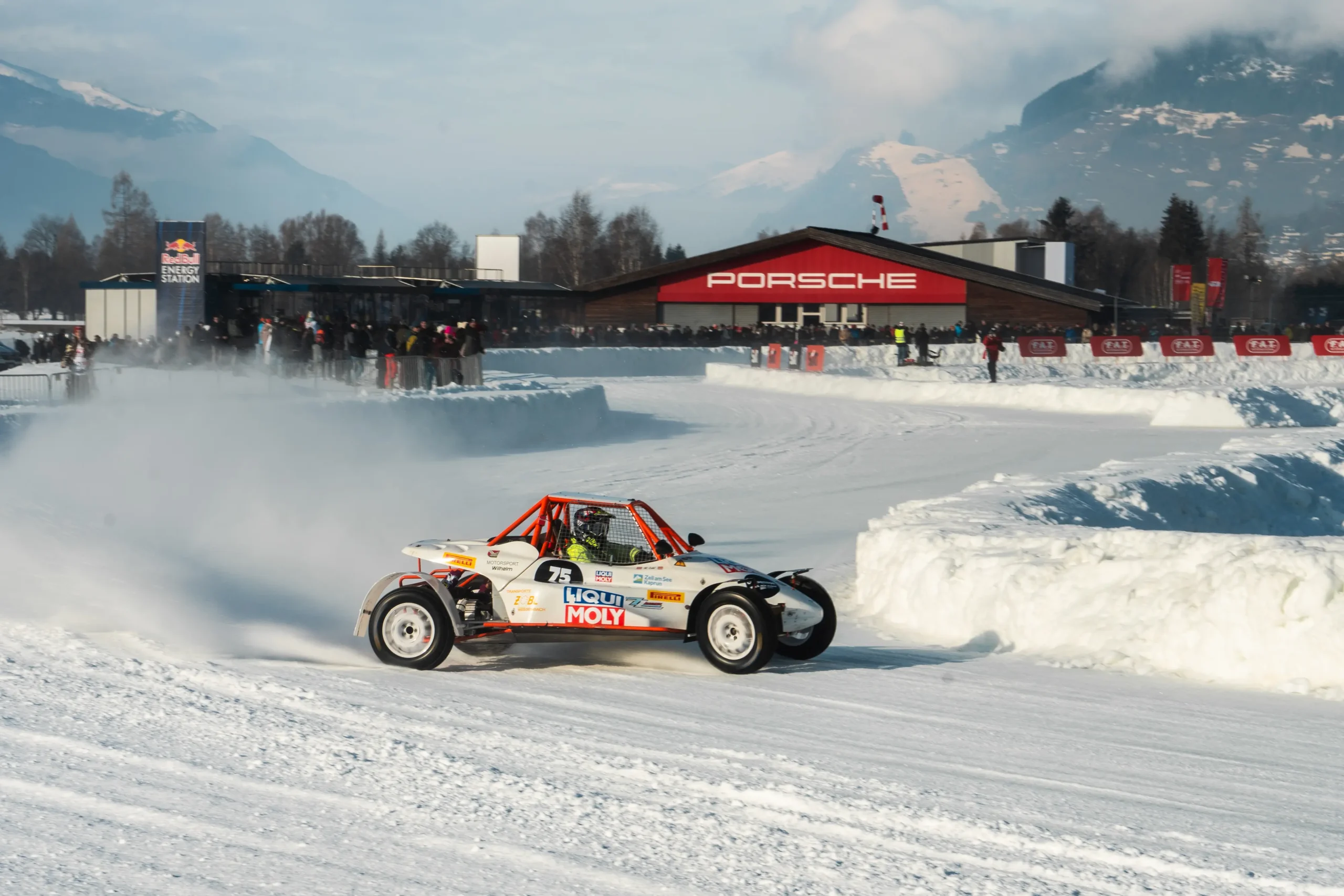

The FAT Ice Race has quietly become one of the most interesting experiments in car culture, a place where heritage Porsches, wild concepts and skiers on tow ropes all share the same sheet of ice. It started as a quirky local contest and has turned into a global calling card for Ferdi Porsche, who has turned his family name into a passport for a very modern kind of motorsport. Talk to him about it once and it is easy to understand how a frozen runway in the Alps can turn into an obsession.
What hooks people is not just the spectacle of cars sliding at full opposite lock, but the way the event folds history, design and community into one long weekend. The FAT Ice Race feels less like a race meeting and more like a rolling argument that the car still matters, even to a generation raised on screens and ride‑shares.
The wild charm of racing on ice
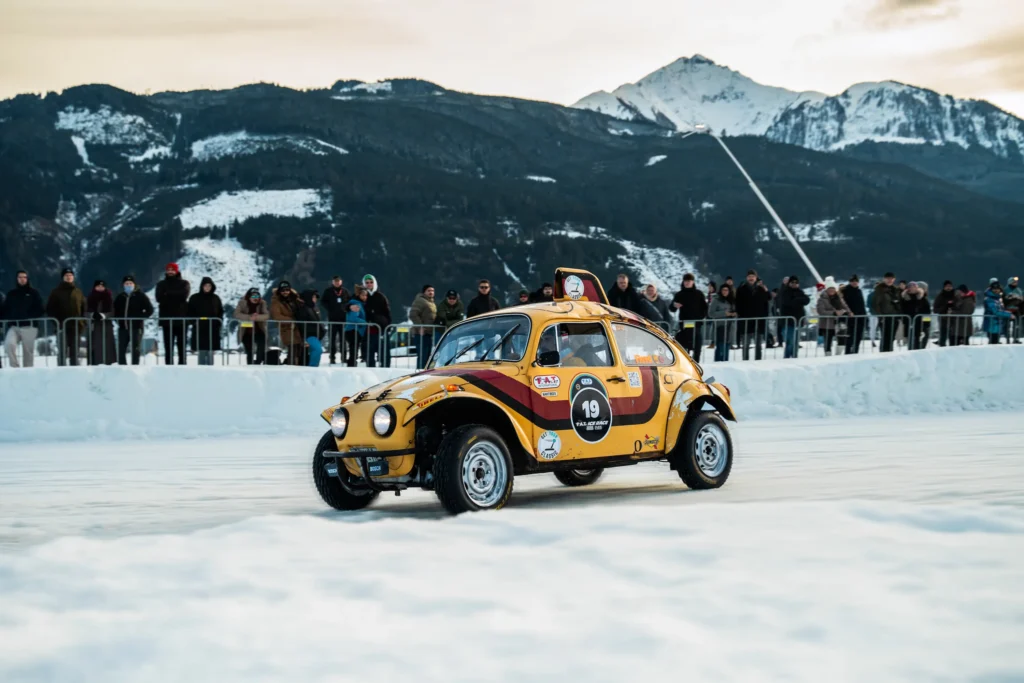
On paper, ice racing should not work. Grip is scarce, visibility is sketchy and the whole thing looks like a physics problem waiting to go wrong. In practice, as Ferdi Porsche likes to point out, that lack of perfection is exactly the point, because ice racing flips the usual logic of motorsport and makes the mistakes more entertaining than the clean laps, a dynamic he underlined when he talked about how sliding cars on a frozen surface keeps spectators leaning over the fence rather than scrolling their phones on the couch in front of a perfect race line on TV Ice. The FAT Ice Race leans into that chaos, turning the frozen runway into a playground where drivers are encouraged to dance on the edge instead of chasing tenths.
That attitude is backed up by serious machinery. Earlier this year, The FAT Ice Race once again turned Zell am See into a meeting point for motorsport culture, design and community, with Piercin and other creators using the event as a live studio for bold ideas that ranged from classic rally cars to electric prototypes with up to 1,500 Nm of torque The. The mix is deliberate, a way to show that the same sheet of ice can host both a vintage 911 and a cutting‑edge EV without turning into a museum piece or a tech demo.
The setting does a lot of the heavy lifting. The FAT ICE RACE takes over the airport runway in Zell am See‑Kaprun, where the snow‑covered Austrian Alps wrap around the track and the schedule runs from high‑speed racing action to roaring show runs and static displays of rare exotics that celebrate the automobile in all its forms The. For visitors who want to step away from the noise, the same region sells winter experiences off the slopes, from lakeside walks around Zell am See to quieter corners of Kaprun during the Christmas season, which makes the race weekend feel like part of a broader alpine escape rather than a one‑note petrolhead pilgrimage Winter.
From daredevil skiers to Ferdi’s global playground
The roots of all this are surprisingly scrappy. On 10 February 1952, a handful of daredevil skiers in Zell am See tethered themselves to the back of motorbikes and set off across the ice, creating a local spectacle that would eventually be formalised into a race and then fade away for decades before being revived in 2019 as a modern festival On. The inaugural 1952 race was modest in scale but big on nerve, and that early mix of skijoring, improvised machinery and alpine bravado still shapes the way the current organisers think about what belongs on the ice from 2019 to the present day The.
Ferdi Porsche stepped into that history with a clear sense of mission. In February 2024, after a three‑year break linked to Covid, the Zell am See Ice Race returned with its usual fanfare and, as Ferd explained, with a renewed focus on making the event relevant to a younger crowd that might otherwise only encounter cars through screens or city traffic In. He has since taken the concept abroad, bringing the event, traditionally held in Zell am See, Austria, to Aspen, where Ferdi Porsche hosted a party that paired ice driving with a downtown gathering and described his lifelong love of cars as the fuel for what he called a crazy dream Zell.
Tradition collides with tomorrow on a frozen runway
For Ferdi Porsche, that collision of past and future is the whole point. The FAT Ice Race 2026 has been framed as sitting between tradition and what comes next, with car culture, community and new forms of mobility all sharing the same icy stage as a kind of preview of how tomorrow’s club communities may look FAT. That is why brands talk about the vivid passion they all share when they roll into Zell am See, and why the event’s organisers keep returning to the idea that a frozen runway can be both a memorial to Professor Ferdinand Porsche and a launchpad for whatever the next generation decides to do with four wheels and a set of spiked tyres vivid.
More from Wilder Media Group: