


I thought I was being the responsible kind of traveler: booked the rental car weeks ahead, screenshot the confirmation, even double-checked the pickup hours. So when I walked up to the counter—sleepy, suitcase rolling behind me, mentally already on the highway—I expected a quick signature and a set of keys.
Instead, the agent smiled in that apologetic way that instantly tells you something’s about to go wrong. “I’m so sorry,” they said, “but we don’t have a car for you.” I blinked, held up my confirmation like it was a golden ticket, and heard the sentence that now haunts a lot of travelers: “A reservation doesn’t guarantee availability.”
Wait, what do you mean my reservation isn’t a reservation?
If you’re thinking, “That’s not how reservations work,” you’re not alone. In most parts of life, a reservation means the thing is reserved—your table, your seat, your room, your car. But rental cars have long operated in a weird gray zone where “reserved” can sometimes mean “requested.”
Here’s the basic issue: many rental companies overbook on purpose because a certain percentage of customers never show up. It’s the same logic airlines use, except airlines at least have clearer rules (and, sometimes, compensation) when they bump you. At a rental counter, you’re often just standing there with your bag, realizing you’ve been mathematically sacrificed to the gods of “fleet optimization.”
How this keeps happening—and why it’s gotten worse
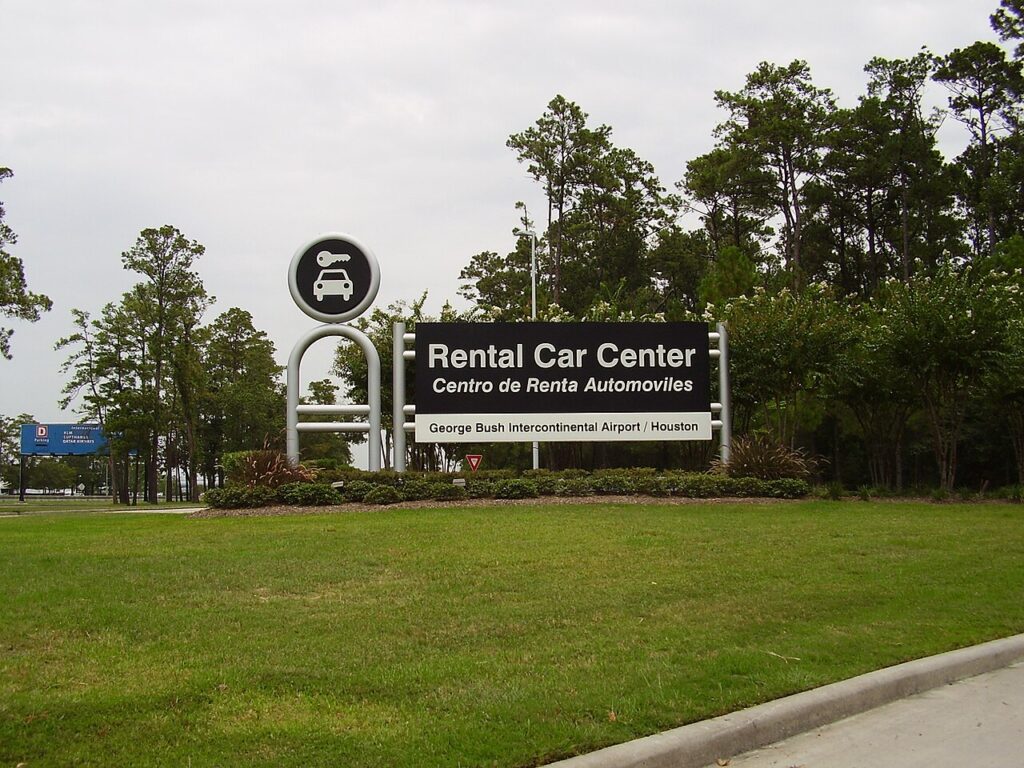
In the last few years, rental car fleets have been under real pressure. During the pandemic, companies sold off huge portions of their inventory to stay afloat, and rebuilding those fleets hasn’t always been quick or cheap. Even now, demand spikes—holiday weekends, big conferences, weather disruptions—can wipe out a location’s supply in a couple of hours.
There’s also the messy reality of logistics. Cars don’t always come back on time, vehicles need repairs, and staff may have limited ability to move inventory from nearby branches. So even if the system happily took your reservation weeks ago, the actual parking lot might be telling a different story at 9:15 p.m. after a flight delay.
What the counter agent usually says (and what it really means)
In my case, the agent explained that my reservation “held a rate, not a vehicle.” That’s the phrasing you’ll hear a lot, and it’s not entirely made up—many rental agreements and booking terms are written to give companies wiggle room. It’s also a handy way to shift your frustration from “you messed up” to “this is just how it works.”
To be fair, the person behind the counter usually isn’t the villain. They’re often dealing with a line of tired travelers, an empty lot, and a computer system that keeps selling cars they don’t physically have. But knowing it’s not their fault doesn’t magically get you to your hotel at midnight.
The hidden trap: third-party bookings and “pay later” reservations
Not all reservations are created equal, and this is where it gets annoying. If you booked through an online travel agency or a discount site, the rental company may treat you as lower priority than someone who booked directly. Same goes, sometimes, for “pay at pickup” reservations versus prepaid bookings—though even prepaying doesn’t always guarantee you’ll drive away in a car.
Another curveball: the “vehicle class” you reserved may not exist anymore. You might hear, “We don’t have compacts, but we can upgrade you,” which sounds like a win until the “upgrade” comes with a surprise price difference, a fuel policy you hate, or a vehicle too large for the tiny garage at your rental house.
What you can do in the moment (without losing your mind)
First, ask one very specific question: “What can you do to get me on the road tonight?” Not “Why did this happen?” (tempting, but not productive). You’re trying to move the conversation from explanation to solution.
Then ask them to check nearby locations, including airport and off-airport branches, and to call—not just look in the system. Sometimes cars exist in reality but not in the inventory screen, or a branch can shuffle returns faster if someone’s actually asking. If they can’t help, ask for a written note stating they couldn’t honor the reservation; it can be useful for refunds, credit card disputes, or reimbursement claims later.
If you’re in a pinch, check other rental brands on your phone while you’re still at the counter. It feels chaotic, but you’re essentially doing real-time triage. Also ask whether they can cover a ride to another branch or arrange a “walk” to a competitor (industry term for sending you elsewhere), though results vary wildly by company and location.
How to reduce the odds this happens to you
Booking early helps, but it’s not a magic shield. What tends to help more is confirming close to pickup—call the location 24–48 hours ahead and ask, “Do you see my reservation, and do you expect any fleet issues that day?” You’re not looking for a promise; you’re looking for early warning so you can pivot before you’re stranded.
Arriving earlier in the day can also matter. Rental locations often run on the day’s returns, so late arrivals are more likely to get caught after the lot has been picked clean. If your flight lands late, consider choosing an agency known for larger airport fleets, or pick a location with extended hours and higher turnover.
Finally, consider booking directly with the rental company and joining their loyalty program (even the free tier). Priority lines and member status won’t perform miracles, but they can bump you up the internal hierarchy when inventory is tight. And yes, it’s mildly depressing that “having an account” can matter more than “having a confirmation.”
What renters are asking regulators and companies to fix
Travel advocates have argued for clearer language and stronger consumer protections around rental reservations. If companies can take bookings without guaranteeing cars, customers want that disclosed in plain English at checkout—not buried in terms and conditions longer than a Russian novel. Some also argue for minimum standards: if a company can’t fulfill a reservation, it should provide a comparable car elsewhere at the same price, plus transportation to get it.
Rental brands say they’re balancing unpredictable demand, supply constraints, and operational realities. Fair enough. But when the system accepts money (or at least a binding booking), people reasonably expect the product to exist when they arrive.
The frustrating takeaway
The weird truth is that a rental car “reservation” can be more like a polite suggestion than a guarantee—especially during peak travel periods. If you’ve ever stood at a counter clutching your confirmation email like it’s evidence in court, you already know how absurd that feels.
I did eventually get a car, after a scramble, a longer drive to another branch, and the kind of stubborn optimism only travel chaos can summon. But the experience left a lingering lesson: when it comes to rental cars, the confirmation number isn’t the finish line. It’s just your ticket to the next negotiation.
More from Steel Horse Rides: