

What Happened?
So, picture this: you’ve spent weeks scouring the internet, scrolling through listings, and staring at photos of used cars. After what feels like an eternity, you finally stumble upon the perfect ride. It’s got low mileage, a shiny exterior, and the price? Just right. You can almost hear the engine purring as you imagine cruising down the highway. But then, the dreaded news hits: your mechanic says the wear doesn’t match the low mileage. Uh-oh. Was the odometer rolled back?
Understanding the Odometer Rollback
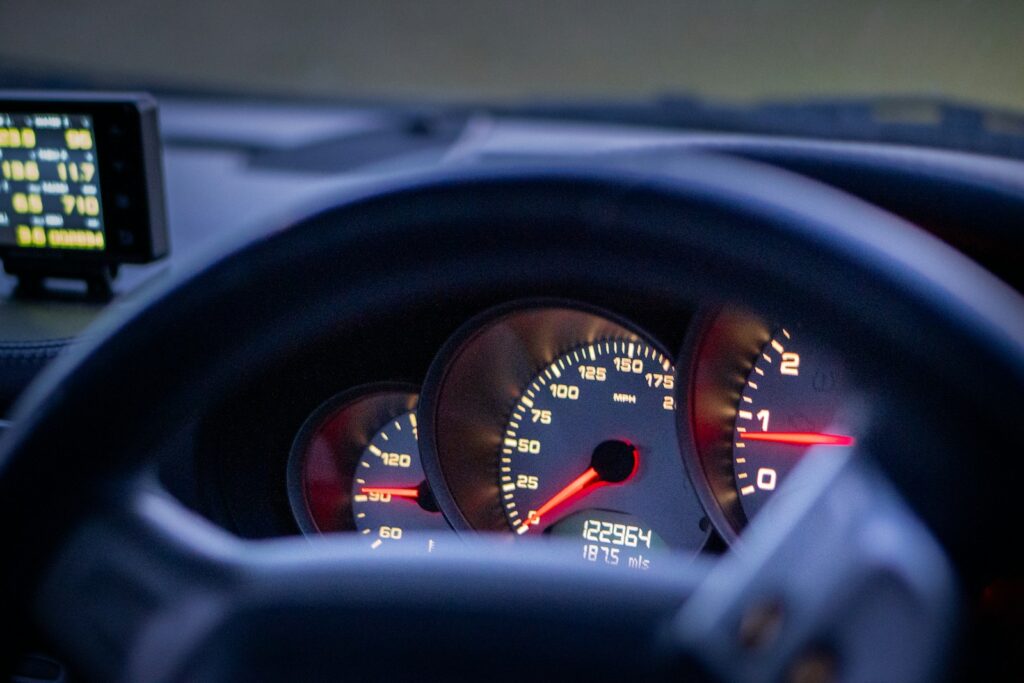
Let’s break this down a bit. Odometer rollback is one of those sneaky tricks that some sellers pull to make their car seem more appealing. The idea is simple: if you can convince potential buyers that a car’s been driven less than it actually has, you can jack up the price and make a quick buck. Unfortunately, it’s not just an annoying little hiccup—it’s illegal and can lead to some serious consequences for the seller.
But how do you even tell if this has happened to your new pride and joy? If your mechanic is raising an eyebrow, there are a few signs to look for. Worn-out pedals, frayed seats, and a suspiciously clean engine bay can all be red flags. Think about it: if a car has barely seen the open road, why would the interior look like it’s been through a demolition derby?
Why You Should Trust Your Mechanic
Now, I know what you’re thinking. “But he’s just trying to upsell me on repairs!” Trust me, I’ve been there. Mechanics have a reputation for wanting to sell you everything under the sun, but when it comes to issues like this, it’s better to err on the side of caution. Your mechanic’s trained eye can spot things you might miss. They see cars every day and know what wear and tear should look like for a vehicle with low mileage.
When my friend bought her used SUV, she was convinced it had only been driven around town. But after a thorough inspection, her mechanic found signs of much heavier use—like the aforementioned frayed seats and a suspiciously clean engine that seemed too good to be true. Sometimes, it’s just better to listen to the professionals and trust their judgment.
What to Do If You Suspect Fraud
If you suspect that your car’s odometer has been tampered with, don’t panic just yet. First things first: gather all your paperwork. You’ll want to check the vehicle history report, which often gives you an idea of the car’s mileage over time. Services like Carfax or AutoCheck can help shed light on any discrepancies that might raise your eyebrows.
Next, consider reaching out to the seller. Sometimes, a conversation can clear things up. Maybe they didn’t realize the car had been driven more than advertised. It’s worth a shot, right? If they’re defensive or rude, that’s a huge red flag. You might want to start looking for a different ride, or at the very least, negotiate a lower price.
Legal Options and Reporting
If you’re convinced you’ve been duped, it’s time to explore your legal options. Depending on where you live, there may be laws in place to protect consumers from odometer fraud. You can report the seller to your local Department of Motor Vehicles (DMV) or even the Federal Trade Commission (FTC). While it might not help you get your money back, it could save someone else from making the same mistake.
And hey, don’t forget to share your experience with friends. A little word-of-mouth can go a long way, especially in our social media-driven world. Who knows? You might just save someone from a similar fate.
Moving Forward: Tips for Future Purchases
So, how do you avoid falling into this trap again? A few strategies can help you feel more confident next time you’re in the market for a used car. First, always do your due diligence. Research the make and model you’re interested in, and check for common issues. Make sure to read reviews from other buyers, too—it’s amazing what you can learn from a quick Google search.
Additionally, always get a pre-purchase inspection from a trusted mechanic. It might cost you a few bucks upfront, but it’s worth every penny for peace of mind. You wouldn’t buy a house without a home inspection, right? Cars deserve the same treatment.
The Bottom Line
Buying a used car with low mileage can feel like hitting the jackpot, but it’s essential to stay vigilant. If your mechanic raises concerns about the wear not matching the mileage, take it seriously. Arm yourself with knowledge, trust your gut, and don’t hesitate to ask questions. After all, this is your hard-earned money we’re talking about! With a little awareness and careful consideration, you’ll be cruising in a reliable vehicle before you know it—odometer readings be damned!
More from Wilder Media Group: