
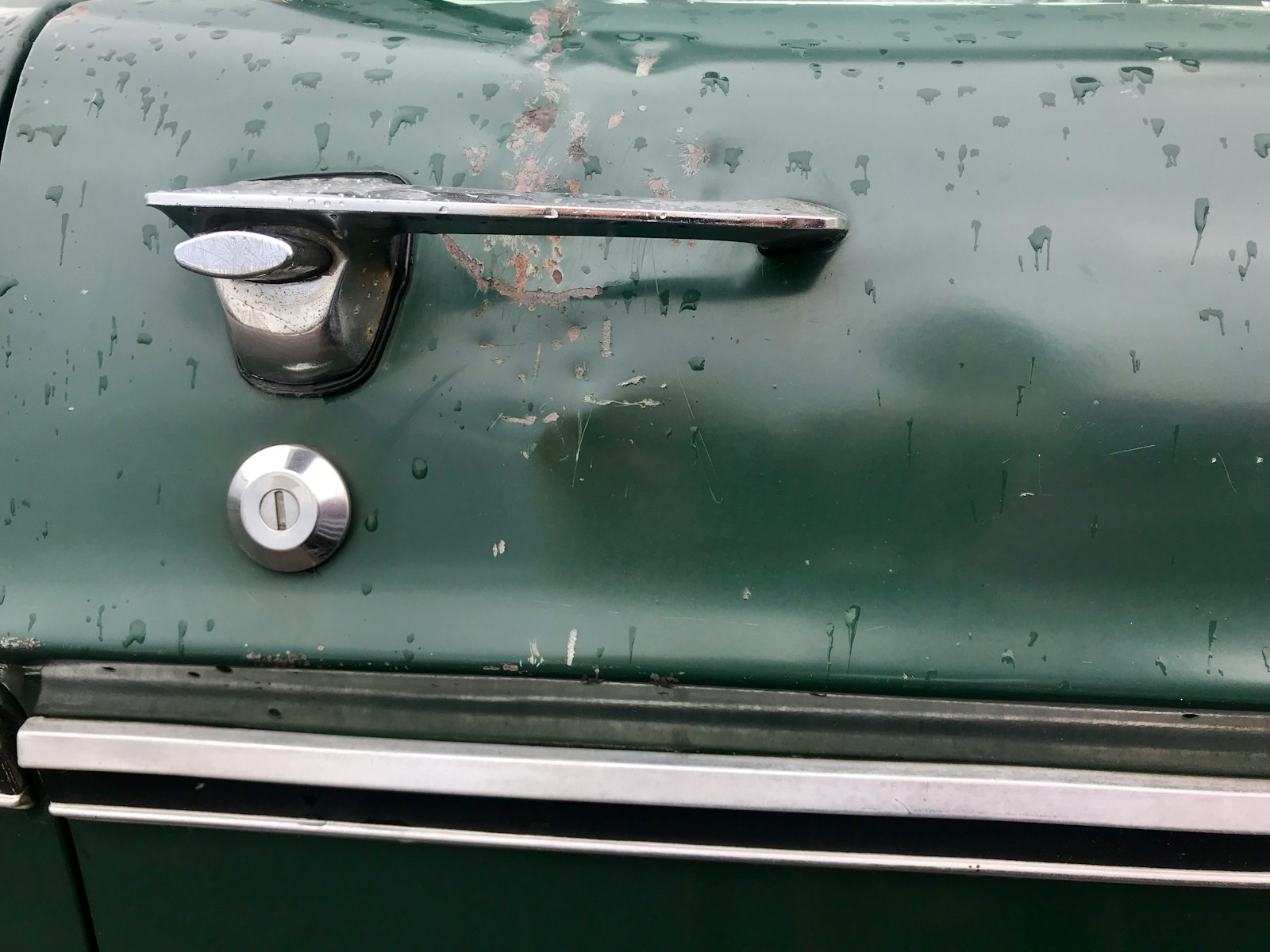

It’s one of those small-life moments that turns your whole day sour. You drop your car off for a warranty repair—something that’s supposed to be straightforward, covered, and painless—and you come back to find a brand-new scratch on the door. You point it out, expecting the usual “Oh no, let’s take a look,” and instead you get the classic line: “That was pre-existing damage.”
If you’ve ever had a dealership or service center say this with a straight face while your brain is screaming “It absolutely was not,” you’re not alone. Consumer advocates say these disputes are common, and the frustration isn’t just about the scratch—it’s about the feeling that someone’s trying to rewrite reality right in front of you.
A Warranty Visit That Turned Into a Damage Dispute
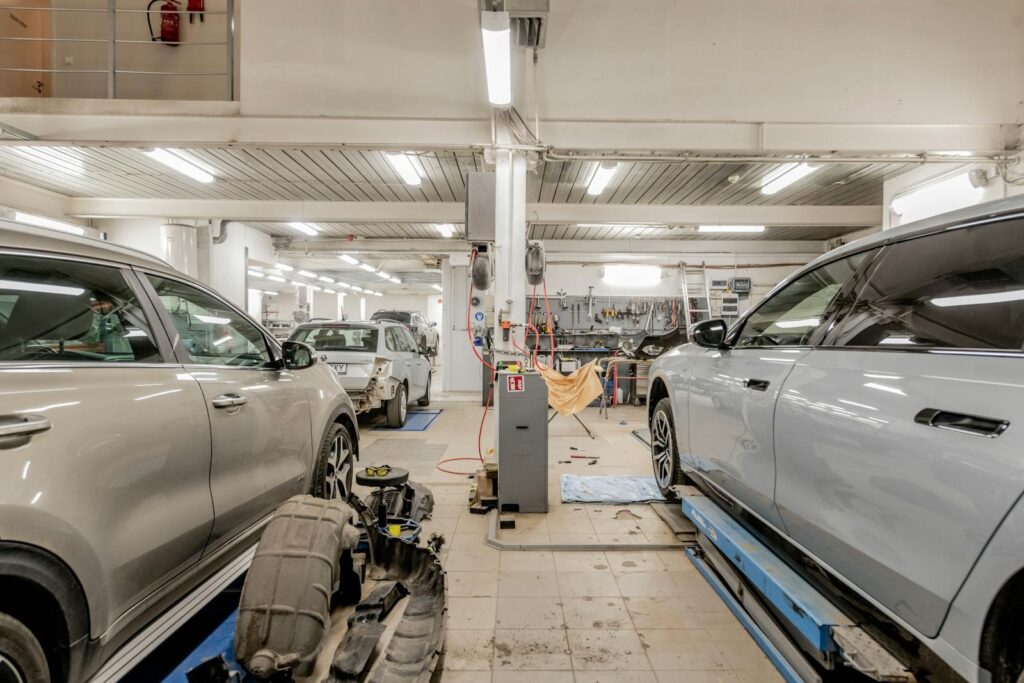
The situation usually starts innocently enough. A car goes in for a covered repair—maybe a faulty sensor, a leaky gasket, a glitchy infotainment system—and the owner expects the biggest inconvenience will be a few days without their vehicle. Then pickup day arrives, and there it is: a noticeable scrape, dent, scuff, or gouge that wasn’t there before.
When the customer flags it, the response can feel oddly rehearsed. Service advisors might say the damage was already documented, or they’ll suggest it happened before the car arrived, or that it’s “consistent with prior wear.” And suddenly the burden shifts to you to prove a negative: that you didn’t have that scratch yesterday.
Why “Pre-Existing Damage” Becomes the Default Answer
To be fair, service departments see a lot of vehicles, and plenty of them show up with scratches, chips, and mystery dents. Many shops do a walkaround at drop-off and note existing blemishes to avoid exactly this kind of argument later. The problem is that the system only works if the documentation is accurate, shared, and actually done with the customer—not in a hurry, alone, with a pen that apparently writes whatever is convenient.
There’s also a less generous explanation: admitting fault costs money. Even a relatively minor door scratch can mean paint work, blending, or re-clearing a panel, and those bills climb fast. If the shop can label it “pre-existing” and move on, they’ve successfully turned your problem into your problem.
The Documentation Game: What Shops Rely On
Most dealerships and larger repair chains use a check-in sheet or a digital inspection that includes a little outline of a car where scratches get marked like battle scars on a map. Sometimes they take photos. Sometimes they don’t. And sometimes they take photos that are just blurry enough to be functionally useless, which is its own special talent.
What really matters is whether you saw and agreed to the notes at drop-off. If the service advisor claims the scratch was documented, ask to see the check-in inspection and any time-stamped photos. If they can’t produce them—or if the “documentation” is vague, like “minor scratches,” with no location—it’s a lot harder for them to sell the story.
What to Do Right There in the Parking Lot
If you notice damage, don’t drive off first and come back later. The second you leave the lot, the conversation shifts from “This happened while it was here” to “Who knows where it happened?” Take a breath, stay polite, and tell them you’d like to document it immediately with a manager.
Use your phone like it’s your best coworker: take clear photos and a short video, including wide shots showing you’re on their property and close-ups of the scratch. If you can, capture the mileage on the dash and the service paperwork in the same clip. It’s not about being dramatic; it’s about making the timeline boringly obvious.
How These Situations Escalate (and How to Keep Your Cool)
At first, the service advisor may try to smooth it over with a shrug and a “We can’t be responsible for pre-existing damage.” If you stay calm and ask specific questions—“Can you show me the check-in photos?” “Who performed the intake walkaround?” “Where is this marked on the diagram?”—you force the discussion into facts, not vibes.
If they stonewall, ask for the service manager. Not later, not by email next week, but now, while the car is still there and the moment is still fresh. And yes, it’s awkward. But so is paying for someone else’s mistake.
What Consumer Advocates Say Actually Works
People who handle auto complaints for a living tend to agree on a few basics: documentation, escalation, and clarity. Ask for copies of all intake and completion inspections. Request any security camera footage if the damage could’ve happened in a parking area or wash bay (they may refuse, but asking creates a record that you tried).
If the dealership is part of a manufacturer network, you can also open a case with the automaker’s customer care line. Dealers don’t love that, because it creates oversight and paper trails. You’re not “being a Karen”; you’re using the process that exists for exactly this kind of dispute.
The Dirty Little Secret: Car Washes and Porters
A lot of mystery damage happens during the most mundane part of service: moving vehicles around. Porters shuttle cars through tight lanes, into wash areas, past doors and pillars, and sometimes into automatic washes that have seen better days. A light brush against a post can become a scratch that’s hard to explain if no one owns up to it in the moment.
That’s why some savvy owners decline complimentary washes or request “no wash” on the work order. Not because car washes are evil—just because one extra step means one extra chance for something to go sideways.
How to Protect Yourself Next Time (Without Turning Into a Paranoid Detective)
Before you hand over the keys, do a quick walkaround and take a few timestamped photos of each side, plus the roof if you care about it. It takes two minutes and saves you from arguing about whether a scratch was “already there.” If you’re feeling extra cautious, take a short video that shows the whole car in one continuous shot.
Then, at drop-off, ask to do the intake inspection together and make sure anything existing is actually noted. If they’re rushing, politely slow it down. You’re not asking for a 40-point concours judging—just an honest record of the car’s condition.
When “Pre-Existing” Is the Line, Not the Truth
Not every shop is shady, and not every damage claim is clear-cut. But when a scratch appears after a warranty visit and the response is an immediate, automatic denial, it’s understandable to feel like you’re being played. The good news is you don’t have to win by being loud—you win by being organized.
Photos, paperwork, calm persistence, and escalation when necessary usually get better results than a parking-lot shouting match. And if the dealer still refuses to make it right, you can consider a written complaint, a dispute through your insurer, small claims court for the repair cost, or a different service center going forward. Because “pre-existing damage” shouldn’t mean “new scratch, same old story.”
More from Steel Horse Rides: