
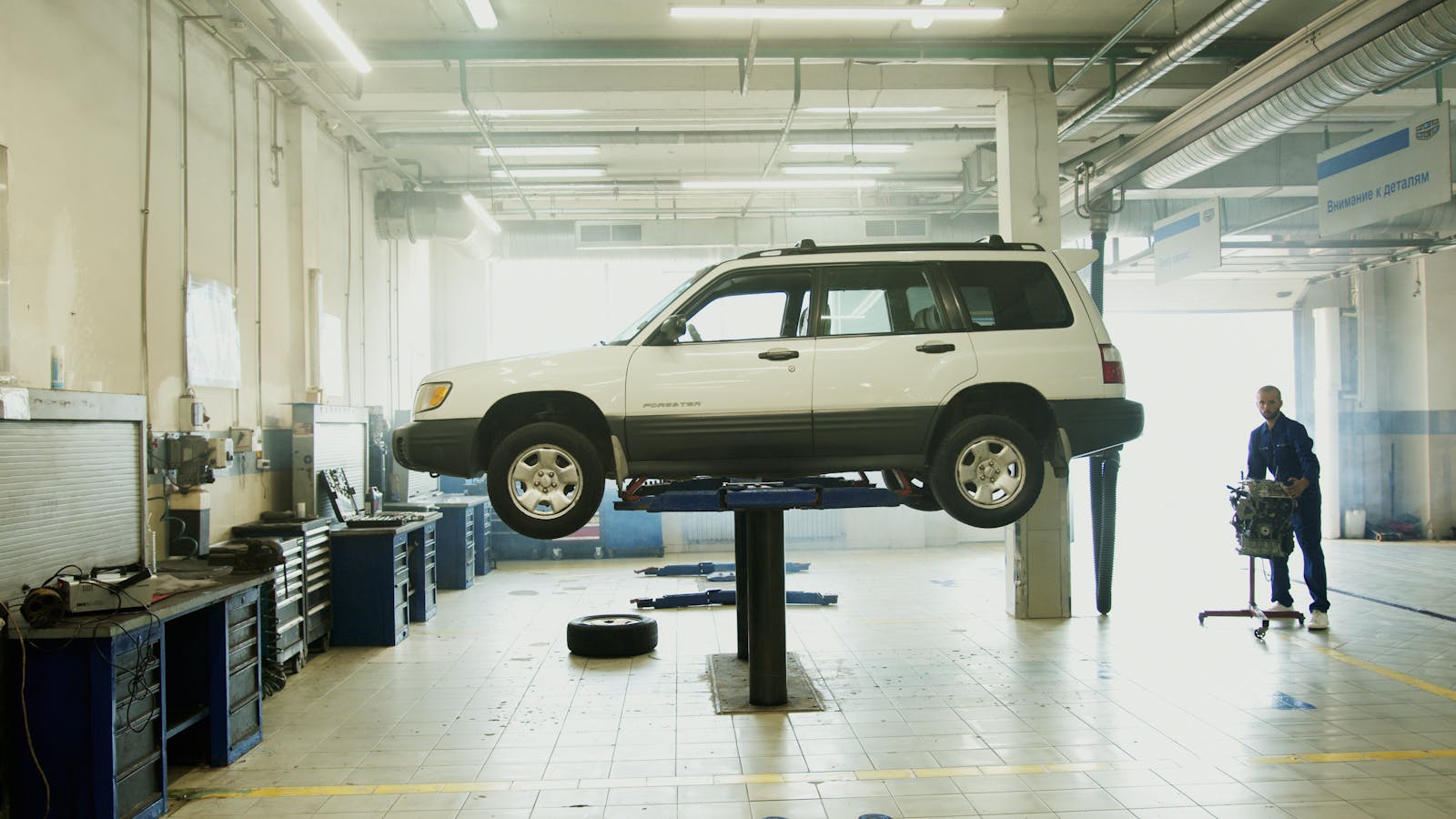

It started the way so many modern car problems do: one tiny warning light and a code that sounded like it came from a robot’s diary. The fix seemed straightforward—replace a sensor, clear the code, and get on with life. I dropped the car off, mentally planned my week around a quick pickup, and felt pretty proud of myself for being “responsible.”
Then day three rolled around and the shop called with the kind of sentence that makes your stomach do a little flip. They were still “running diagnostics to be safe.” Which, in car-speak, can mean anything from “we’re being thorough” to “we’re not sure what’s going on and we don’t want to admit it yet.”
The New Normal: Simple Fixes Don’t Feel Simple Anymore
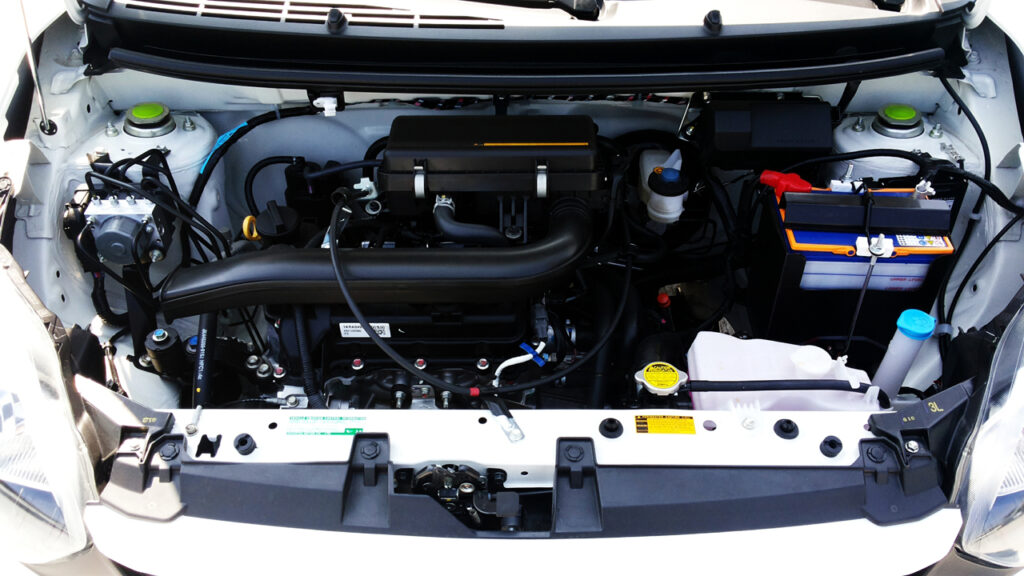
Cars used to be mechanical puzzles you could solve with a wrench and some optimism. Now they’re rolling networks—computers talking to computers, sensors talking to modules, modules complaining to other modules. A “simple sensor replacement” can turn into a game of electronic telephone where one bad reading triggers three other systems to act suspicious.
To be fair, sometimes the sensor really is the culprit. But just as often, the sensor is the messenger getting blamed for the message. If the underlying issue is a wiring problem, a corroded connector, a weak battery, or a failing module, swapping the sensor is like replacing a smoke alarm while the toast is still burning.
What “Running Diagnostics” Actually Means (And Why It Takes Time)
When a shop says they’re running diagnostics, they’re usually doing more than plugging in a scan tool and reading a code. Good diagnostics can include checking live data, testing electrical signals with a multimeter or oscilloscope, inspecting connectors, measuring voltage drops, and verifying the issue under the same conditions that triggered it. That’s real work, and it can take hours.
But here’s the part customers rarely get told upfront: diagnostics also includes time spent waiting on information. Some problems only show up when the engine is hot, during a cold start, under load, or after a certain drive cycle. If the shop is trying to reproduce an intermittent fault, that can mean repeated test drives and a lot of “it’s fine… until it’s not.”
The Phrase That Raises Eyebrows: “To Be Safe”
“To be safe” sounds comforting, and sometimes it is. If a sensor is tied to braking, steering, airbags, or engine management, extra verification is responsible. Nobody wants a shop that rushes a car out the door and hopes for the best, especially if the fix touches systems that can ruin your day in dramatic fashion.
Still, it’s also a phrase that can cover a wide range of realities. It can mean they found something unexpected. It can mean the first fix didn’t solve it. Or it can mean your car got shuffled behind bigger jobs, and “diagnostics” is the nicest way to say, “We haven’t gotten back to it yet.”
Why a Sensor Replacement Can Spiral Into a Mini Mystery
Modern sensors are picky, and cars are picky about their sensors. Some components need programming or calibration after replacement, and not every shop tool can do every manufacturer’s procedure. Even when programming isn’t required, using an aftermarket sensor that doesn’t read quite right can keep the code alive and everyone confused.
Then there’s the fun world of related faults. A bad oxygen sensor code might actually be a vacuum leak. A wheel speed sensor code might be a damaged tone ring or a bearing issue. And a “simple” sensor can be buried under an intake manifold or tucked behind a wheel well liner, turning a 20-minute part swap into a few hours of labor.
What You’re Really Buying: Certainty (Or At Least a Better Guess)
When people get frustrated, it’s usually not because diagnostics exist. It’s because nobody likes paying for uncertainty. If you dropped the car off for “a sensor,” you expect a neat little line item and a pickup time that doesn’t involve calendar math.
The truth is that good shops sell confidence. They don’t just replace parts; they try to confirm the failure, confirm the repair, and make sure you don’t come back in two days with the same light and a slightly worse attitude. That’s the ideal, anyway—when it’s communicated clearly and priced honestly.
The Communication Gap: Where Things Go Sideways
If you’re on day three and still hearing “diagnostics,” the real issue might be the timeline, not the wrenching. Most shops are juggling walk-ins, tow-ins, warranty claims, and the occasional customer who swears their car “just needs freon” when the compressor exploded. If your job isn’t actively on a lift, it can sit.
Shops also sometimes avoid calling until they have a complete answer, because customers hate partial updates. Ironically, customers hate silence even more. A quick daily check-in—“We tested X, next we’re doing Y, here’s the estimate range”—can prevent a lot of tension.
What to Ask (Without Sounding Like You’re About to Start a Podcast Investigation)
You don’t need to interrogate anyone, but you do deserve specifics. Ask what diagnostic steps they’ve completed and what they’ve learned so far. A good shop can tell you whether they confirmed the sensor was bad, whether the code came back, and what data or tests pointed them to the next step.
It’s also fair to ask about a ceiling. “How much diagnostic time are you authorizing before you call me again?” is a totally normal question. And if you’re worried about the calendar slipping, ask when they realistically expect to have an answer—not a hopeful guess, but a realistic window.
Red Flags vs. Green Flags
Green flag: they can explain the logic of their testing in plain language. Green flag: they show you the old part, the fault codes, or a short report, and they tell you what they’re doing next. Green flag: they set expectations early, including the possibility that the sensor code might be a symptom, not the cause.
Red flag: everything is vague, and every question gets a foggy “we’ll see.” Red flag: they keep replacing parts without a clear reason and call it “trying things.” Red flag: the estimate grows, but the explanation doesn’t.
If You’re Stuck in Diagnostic Limbo, Here’s a Practical Exit Plan
If the shop seems competent but overloaded, ask for a concrete plan and timeline, then decide whether you can live with it. If you’re losing confidence, ask for a printed breakdown of what’s been done and what they recommend next. You can pay for the time already spent and move the car to a specialist—sometimes a dealer, sometimes an independent shop that focuses on your make.
And yes, it’s okay to say, “I came in for a sensor replacement, and I’m now three days in—help me understand what changed.” The goal isn’t to accuse anyone; it’s to get clarity. When you’ve got clarity, you can make a decision that feels rational instead of rage-fueled.
The Bottom Line
“Still running diagnostics to be safe” can mean the shop is doing the right thing—or it can mean they’re buying time. The difference is communication, documentation, and whether their testing sounds like a real process instead of a placeholder. If they can explain what they’ve found, what they’re testing next, and how much it’ll cost before it gets weird, you’re probably in decent hands.
And if nothing else, this is a good reminder that cars have become astonishingly smart in ways that are occasionally exhausting. A sensor might be small, but the story it tells can get complicated fast. The least a shop can do is keep you in the loop while your car is off having its three-day “checkup.”
More from Steel Horse Rides: