

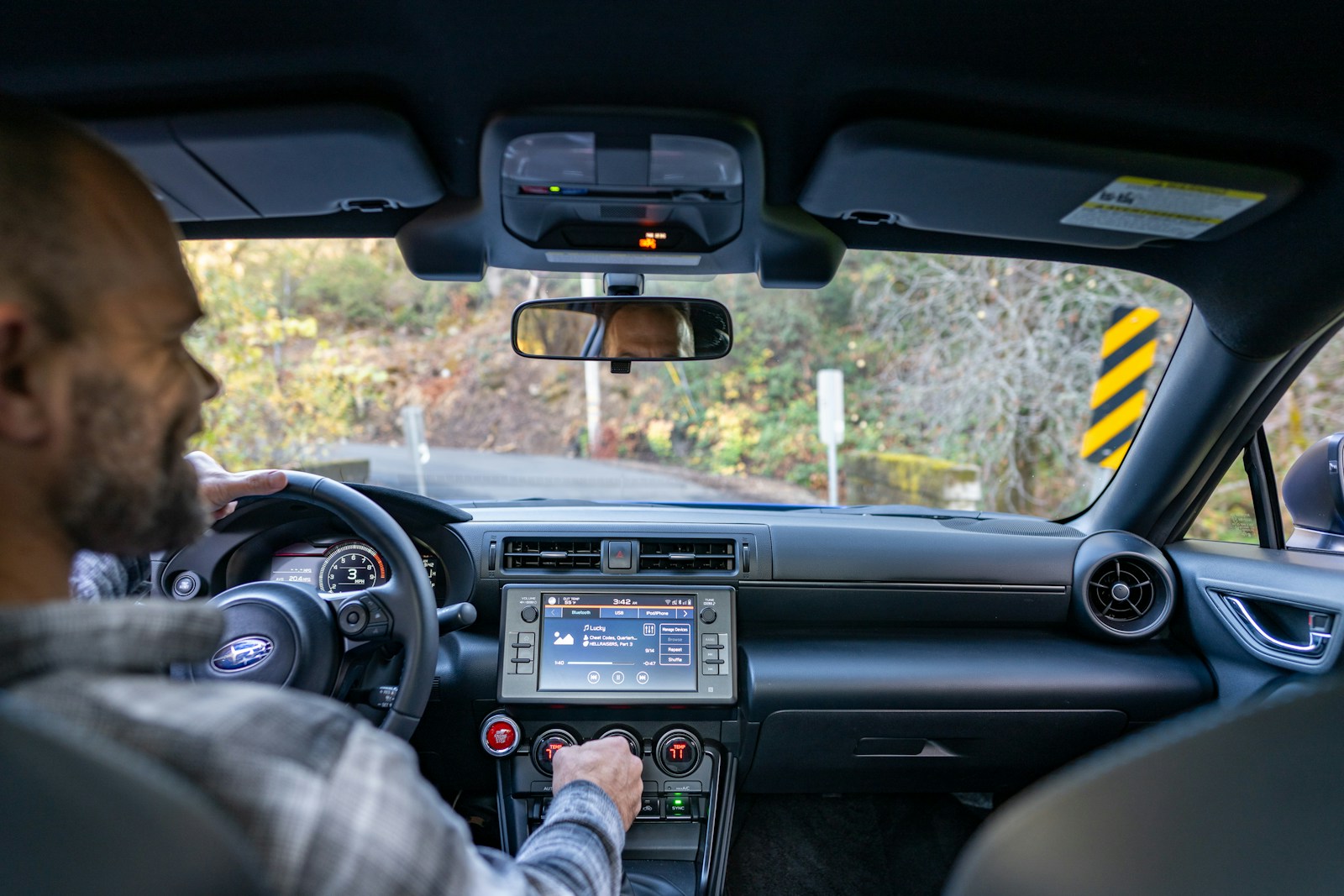
In the world of car enthusiasts, few things compare to the joy of driving a manual transmission. The connection between driver and machine, the tactile engagement of shifting gears, and the sheer thrill of navigating curves all contribute to a unique driving experience. However, when that passion intersects with your relationship, it can lead to a dilemma: your spouse isn’t interested in driving your beloved stick shift, and you’re torn between wanting to share that joy and respecting their preferences.
You’re not wrong to feel frustrated in this situation. It’s natural to want to share something you love with someone you care about, and it can be disheartening when that enthusiasm isn’t reciprocated. This issue goes beyond just a car; it speaks to boundaries, mutual respect, and the importance of clear communication in a relationship. How you navigate this situation can strengthen your partnership or create unnecessary tension.
#
Start With a Calm, Direct Conversation
Begin with an open and honest discussion about your feelings regarding your car. Share why driving a manual transmission is meaningful to you and how you would love to share that experience with them.
A calm conversation allows both partners to express their feelings without defensiveness. By approaching the topic gently, you create a safe space for dialogue, which can lead to understanding and compromise. Remember, you’re not just discussing a car; you’re expressing a part of your identity.
#
Set Clear Boundaries and Expectations
If your spouse is not interested in driving your manual car, it’s essential to establish boundaries that respect both your love for your vehicle and their comfort levels. Decide whether you want to teach them or if you’re okay with it being your car alone.
Setting boundaries ensures that both partners feel respected and valued. It’s okay to want your car to be a space for you alone, just as it’s okay for your spouse to have different preferences. Remember, boundaries are about maintaining healthy relationships, not about exclusion.
#
Involve Your Partner Without Blaming Them
Instead of framing the situation as a refusal on their part, ask if they’d be open to trying out the manual transmission with you. Present it as a fun activity rather than a chore, and emphasize that it’s a chance for both of you to bond.
This approach helps eliminate feelings of blame or resentment. By involving your partner positively, you create an opportunity for connection rather than conflict. It’s empowering to invite your spouse into your interests, making them feel valued and included.
#
Offer Reasonable Alternatives
If your spouse is truly uninterested in learning to drive manual, consider offering alternatives that cater to both of your preferences. Perhaps they could take the wheel in your automatic vehicle, or you can plan outings where you drive your manual car alone.
Providing alternatives demonstrates that you respect their feelings while still holding onto your passion. It fosters a spirit of compromise, showing that both partners can have their needs met without sacrificing one another’s happiness. This is a sign of a strong partnership.
#
Protect Your Home and Privacy Without Escalating Conflict
If feelings about the car become a point of contention, it’s crucial to maintain a peaceful environment at home. Focus on creating a supportive atmosphere where both partners feel safe expressing their views without escalating conflict.
Prioritizing a calm home life allows you to address any disagreements without damaging your relationship. Remember, it’s possible to disagree while still showing love and respect for each other. This mindset can lead to more constructive conversations in the future.
#
Be Patient and Open to Change
Understand that your spouse’s feelings about driving a manual may evolve over time. They may come to appreciate your car and the joy it brings you, or they may ultimately decide it’s not for them. Be patient and open to the journey ahead.
Patience is a virtue that strengthens relationships. It allows both of you to grow and adapt, ensuring your partnership remains resilient. Trust that with time, your spouse may surprise you in ways you didn’t expect.
#
Closing
Navigating the balance between your love for your manual transmission and your spouse’s reluctance to drive it can be challenging, but it’s also an opportunity for growth in your relationship. By approaching the situation with empathy, communication, and a willingness to compromise, you can foster a deeper understanding between you and your partner.
Remember, the heart of a relationship lies in mutual respect and understanding. Whether your spouse learns to drive your beloved car or not, the most important thing is that both of you feel valued and heard. With patience and open communication, the situation can improve, and you might just find a way to bridge the gap between your passion and your partnership.