
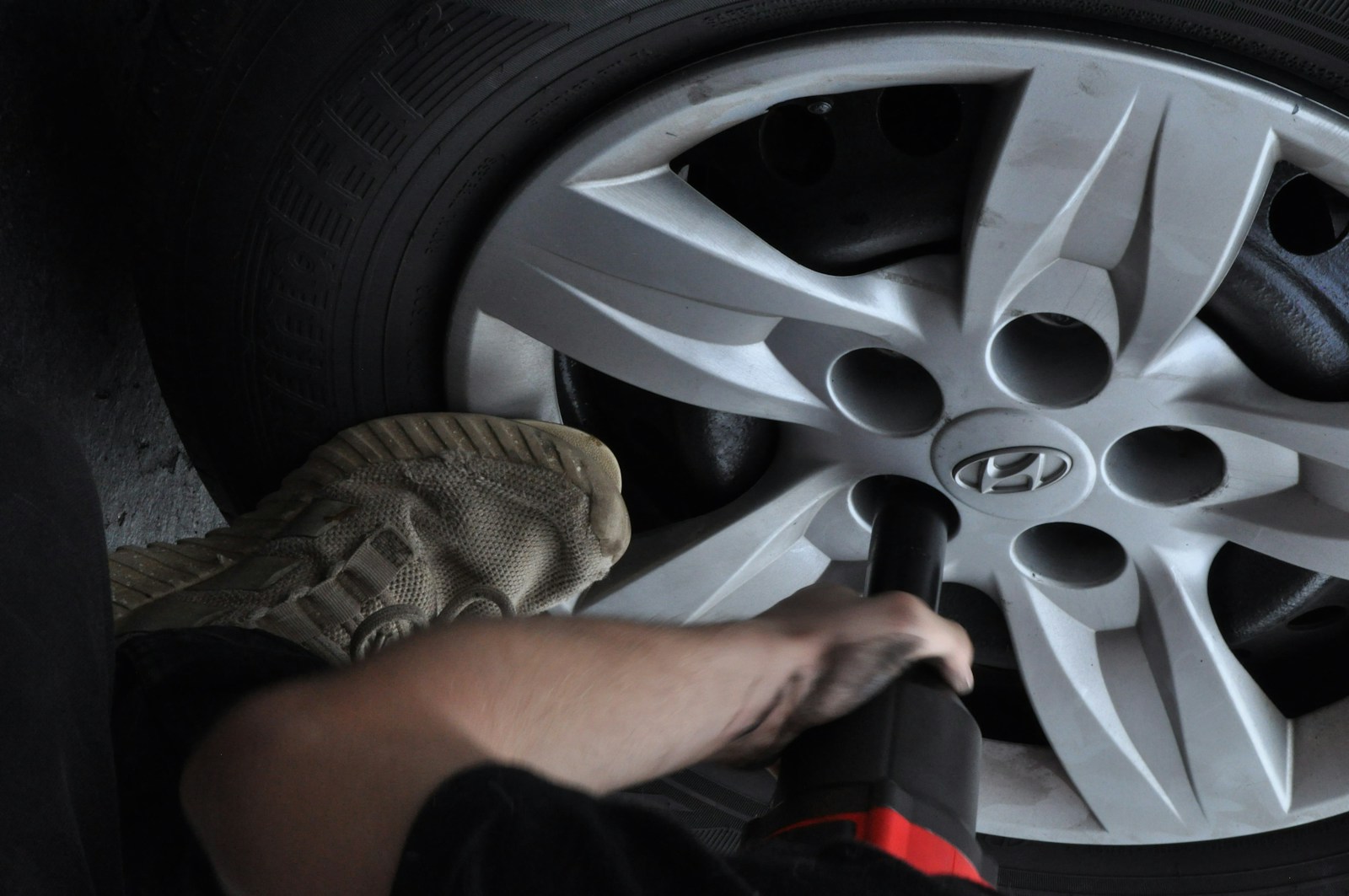

It started the way these things always do: you pick up your car after something simple—like new tires or a rotation—and suddenly you’re convinced it’s making a brand-new sound. A little rattle here, a faint thrum there, maybe a “wait, was that always like that?” at every stoplight. And because you weren’t hearing it yesterday (or at least you don’t think you were), your brain files it under Something Is Wrong.
That’s exactly what happened to one local driver this week after a routine tire service. They drove off, rolled the windows up, and heard what they swore was a new rattle—subtle, but persistent enough to be annoying. When they called the shop, the response was surprisingly calm: road noise often sounds different when you’re actively listening for problems.
The moment your car becomes “too quiet,” everything gets louder
One technician described it like this: the second you start paying attention, your ears turn into little detectives. You stop enjoying the drive and start monitoring it, like you’re running a courtroom cross-examination on every vibration. That faint click you’d ignored for months suddenly becomes an audiobook you can’t turn off.
It doesn’t help that tire service can genuinely change what you hear. New tread patterns, different rubber compounds, and even small changes in tire pressure can shift the frequency of road noise. The sound isn’t necessarily “more,” just different—and different is what our brains flag as suspicious.
Why tires can change the soundtrack of your whole drive
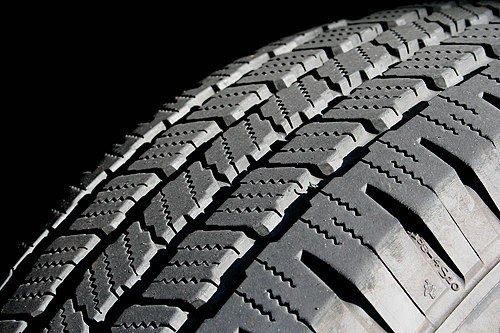
Tires aren’t just round black things that keep you from scraping your rims on the asphalt. They’re basically your car’s biggest contact microphone with the road. Change the tire, and you change the way road texture, bumps, and air noise translate into the cabin.
Some tires hum more at certain speeds, especially on concrete highways with those rhythmic grooves. Others are quieter but make sharper sounds over potholes because the sidewall is stiffer. Even moving tires from front to rear during a rotation can shift noise, because the sound enters the cabin differently depending on where it’s coming from.
The shop’s point wasn’t “it’s in your head”—it was “your head is paying attention”
To their credit, the shop didn’t brush the driver off. They explained something most of us learn the hard way: once you’ve had work done, you naturally start listening for evidence that it was done right—or wrong. It’s not paranoia, it’s just being human (and being one unexpected repair bill away from doom-scrolling forums).
There’s also a simple psychological trick at play. When your brain expects a problem, it turns normal sensations into “signals.” A harmless pebble in the tread becomes a ticking mystery. A slightly rough patch of pavement becomes a “suspension issue,” even though the suspension is minding its business.
Still, new rattles after service aren’t automatically imaginary
Here’s the part everyone wants to know: yes, sometimes a new sound after tire service is real and needs attention. Shops are careful, but wheels come off, parts get handled, and things can be overlooked. The key is separating “new noise because new tires” from “new noise because something isn’t secured.”
The most common culprits are also the most fixable. A loose wheel cover or center cap can chatter. A pebble or piece of debris can get trapped and tap as the tire rotates. And occasionally, a tech might forget to fully secure a splash shield or clip underneath the car—small, lightweight plastic parts that can buzz at speed.
Quick ways to sanity-check the sound (without becoming a full-time mechanic)
If you notice a rattle right after tire work, start with the obvious stuff you can check safely. Look at the wheel area: are the lug nuts present and seated? Is there a hubcap or trim ring that feels loose if you gently press it? Is there anything hanging down under the front bumper or along the side skirts?
Next, pay attention to when the sound happens. Does it show up only at certain speeds, or only on rough pavement? Does it change when you turn left or right, or when you lightly apply the brakes? Those little patterns can help a shop diagnose the issue quickly—without you having to describe it as “a gremlin noise, kind of like a plastic bee in a can.”
When you should go back right away (no waiting, no hoping)
Some sounds deserve a prompt return trip, even if you feel awkward about it. If you feel steering vibration that wasn’t there before, especially at highway speed, that could mean a wheel balance issue. If you hear a clunking that gets worse with bumps, something might be loose and shouldn’t be ignored.
And if you suspect a lug nut problem—don’t gamble. A wheel that isn’t properly tightened can cause wobbling, damage the studs, or worse. Most reputable shops would rather re-check torque for free than have you driving around stressed (or unsafe).
Why “come back and we’ll check it” is normal, not an accusation
One detail that often gets missed: a shop asking you to return doesn’t necessarily mean they think they made a mistake. It’s just good practice. Tire and wheel work involves variables—wheel weights, mating surfaces, brake dust, corrosion, even the specific way a wheel seats on the hub.
A quick re-check can catch small issues before they become big ones. It also gives the tech a chance to ride along with you, hear the noise in real time, and avoid the world’s least helpful game: guessing what “rattle” means from a phone description.
The slightly annoying truth: sometimes the “new” noise fades once you stop hunting for it
The driver at the center of this story ended up doing what a lot of us do: they gave it a day. They drove the same route, turned the radio off for a bit, then turned it back on and tried to live their life. The rattle seemed to get quieter—or maybe it just stopped being the main character.
That doesn’t mean you should ignore your instincts. It just means cars are full of normal sounds, and tire service can change what you notice. If something feels off, get it checked. But if everything feels solid and the noise is faint, it might just be the sound of you paying attention—plus a fresh set of tires singing a slightly different tune on the road.
More from Steel Horse Rides: