
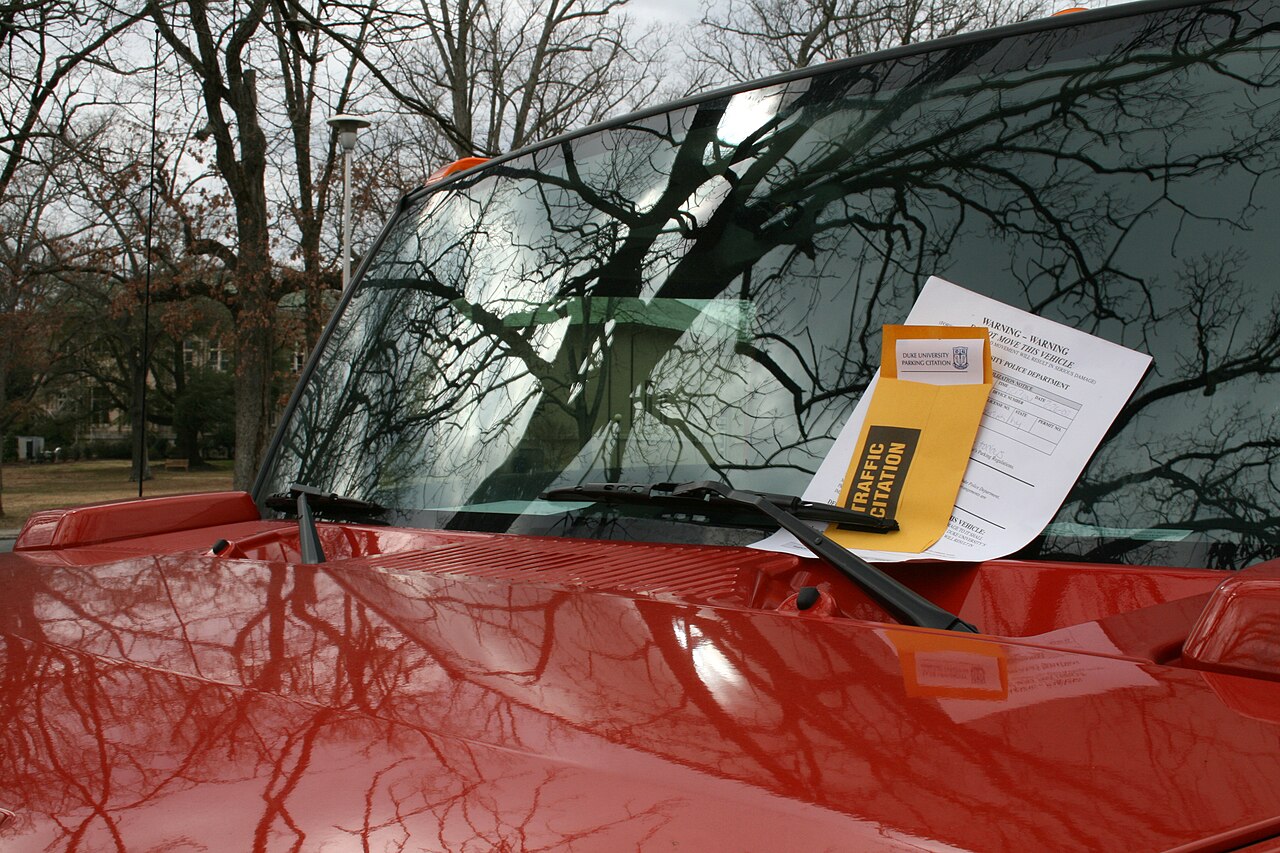

It’s a special kind of confusing to walk outside in your slippers, coffee in hand, and see a neon-orange sticker slapped onto your windshield like your car just got caught doing something scandalous. The wild part? I was parked right in front of my own house, on the same stretch of curb I’ve used a hundred times. Overnight, nothing looked different — but apparently, everything was different.
That bright orange warning wasn’t just a “hey, heads up.” It was the kind of notice that makes your stomach drop before you’ve even read a single word. And if you’ve never had one of these peeking out from under your wiper, congratulations — but also, you might want to keep reading, because this is happening to more people than you’d think.
The Sticker That Started the Morning Spiral
The sticker was the classic municipal “you’ve got a problem” color: unmissable, borderline aggressive, and designed to make sure you don’t pretend you didn’t see it. It cited a local parking rule and warned that continued violation could lead to a ticket — or towing. Nothing like a little caffeine-free panic to get your heart rate up.
What made it extra irritating was the setting. This wasn’t some downtown loading zone or a “I’ll just be five minutes” gamble. This was my neighborhood curb, a place that feels as neutral as your own driveway (even when it technically isn’t).
How You Can Be “Wrong” While Parked at Home
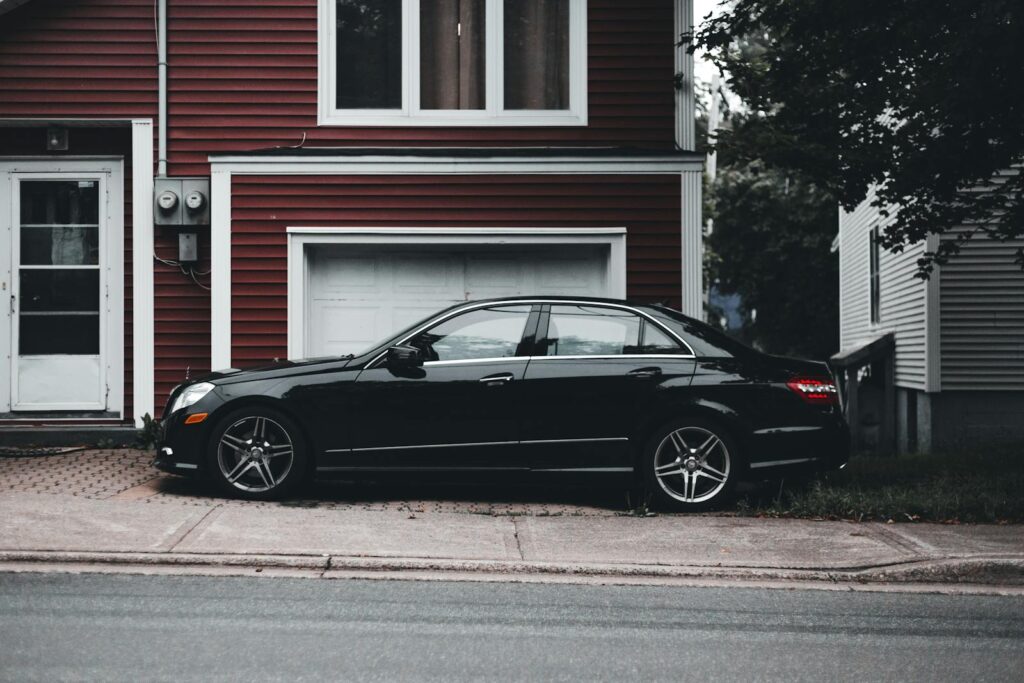
Here’s the truth most cities don’t exactly advertise: the curb in front of your house usually isn’t “yours.” It’s public right-of-way, and it’s governed by a patchwork of rules that can change block by block. So even if you’ve parked there for years, it doesn’t mean it’s always been legal — it might just mean nobody enforced it until now.
In many places, the most common culprits are time limits (like 72-hour rules), overnight restrictions, street sweeping schedules, construction no-parking zones, or permit requirements. Sometimes the signs are obvious, and sometimes they’re… let’s call them “artistically placed.” And occasionally, a rule kicks in temporarily — and the only “announcement” is a paper sign taped to a pole two streets over.
What the Warning Usually Means (and What It Doesn’t)
A warning sticker is often a first step, not the final boss. Cities use them to flag cars for future enforcement, especially when they’re trying to clear streets for sweeping, snow removal, utility work, or a neighbor complaint. Translation: you might not owe money today, but you’re on the radar now.
That said, a warning doesn’t always mean you did something truly outrageous. Some departments use warnings as a courtesy before they start ticketing a newly enforced area. It’s annoying, sure, but it can also be your one free pass — the universe’s way of saying, “Move it, and don’t make this weird.”
The Usual Suspects: Why Cities Suddenly Crack Down
One of the most common reasons for abrupt enforcement is street sweeping season. You can live in a place for years and still get caught the first time you forget the schedule. And if your city’s signage is small, faded, or hidden behind a tree that’s thriving a little too much, you’re not alone.
Construction and utility work is another big one. A crew might need access for underground lines, curb repairs, or equipment staging, and suddenly your normal curb becomes a “temporary no-parking zone.” The sign might have gone up yesterday, and if you parked after dark or came home late, you may have missed it entirely.
Then there’s the neighbor-factor, which nobody loves talking about but is absolutely real. A single complaint about “abandoned vehicles,” blocked driveways, or limited parking can trigger targeted enforcement. Most of the time it’s not personal — but it can sure feel personal when your car’s wearing an orange sticker like a dunce cap.
What to Do If You Find One on Your Car
First, don’t peel it off and pretend it didn’t happen. Take a couple of photos — the sticker, the license plate, and the surrounding curb and signs. If it turns into a ticket later, or if you need to dispute something, you’ll be glad you documented what was (or wasn’t) posted.
Next, walk the block like you’re on a scavenger hunt. Look for street sweeping signs, temporary postings, permit zone markers, and any painted curb indicators. Pay attention to arrows and time windows — plenty of parking signs are basically legal riddles with just enough ambiguity to ruin your morning.
Then, move the car if there’s any chance you’re in violation. Even if you think the warning is unfair, towing companies don’t care about fairness, and neither do 7 a.m. enforcement rounds. Save the debate for after your vehicle is safely somewhere boring and legal.
How to Check the Rule Without Losing Your Mind
If the sticker includes a code, ordinance number, or department name, use it. Most cities have a parking enforcement page where you can search rules, active restrictions, or street sweeping calendars by address. Some also post “active no-parking” permits for construction, film shoots, or moving trucks — and yes, those can affect your curb even if nobody told you directly.
If you’re still confused, call the non-emergency number or parking enforcement line and ask them to explain it like you’re a human being with a job and limited patience. Be polite, but specific: give your address, the date/time, and what the sticker said. You’re more likely to get a useful answer if you sound like someone seeking clarity, not revenge.
Can You Fight It If It Turns Into a Ticket?
Sometimes, yes — especially if signage was missing, incorrect, or contradictory. If a temporary no-parking sign wasn’t posted properly (or was posted after you parked), you may have a decent argument. Photos with timestamps are your best friend here, because “I swear it wasn’t there” is a tough sell without proof.
But it’s also worth being realistic. If there’s a clearly posted restriction and you missed it, most cities won’t waive a ticket just because it was in front of your house. The rulebook doesn’t care about proximity to your couch — it cares about what the sign says.
The Bigger Point: Curbs Are Public, Even When They Feel Personal
This is the part that stings: the curb in front of your home feels like an extension of your space, but legally it’s shared territory. Cities balance residents, deliveries, emergency access, maintenance schedules, and sometimes just plain traffic flow. When enforcement ramps up, it often means the city is trying to fix a problem — even if it creates a brand-new one for you.
Still, a bright orange warning sticker is a lousy way to start a day, and it’s fair to want better communication. Clearer signage, better neighborhood alerts, and more consistent enforcement would help a lot. In the meantime, the best defense is staying slightly more informed than you want to be about the curb you thought you knew.
And yes, I moved my car. I also spent the rest of the morning side-eyeing every sign on the street like it might jump out and accuse me of something. Home is where the heart is — but apparently, it’s also where the parking rules are.
More from Steel Horse Rides: