
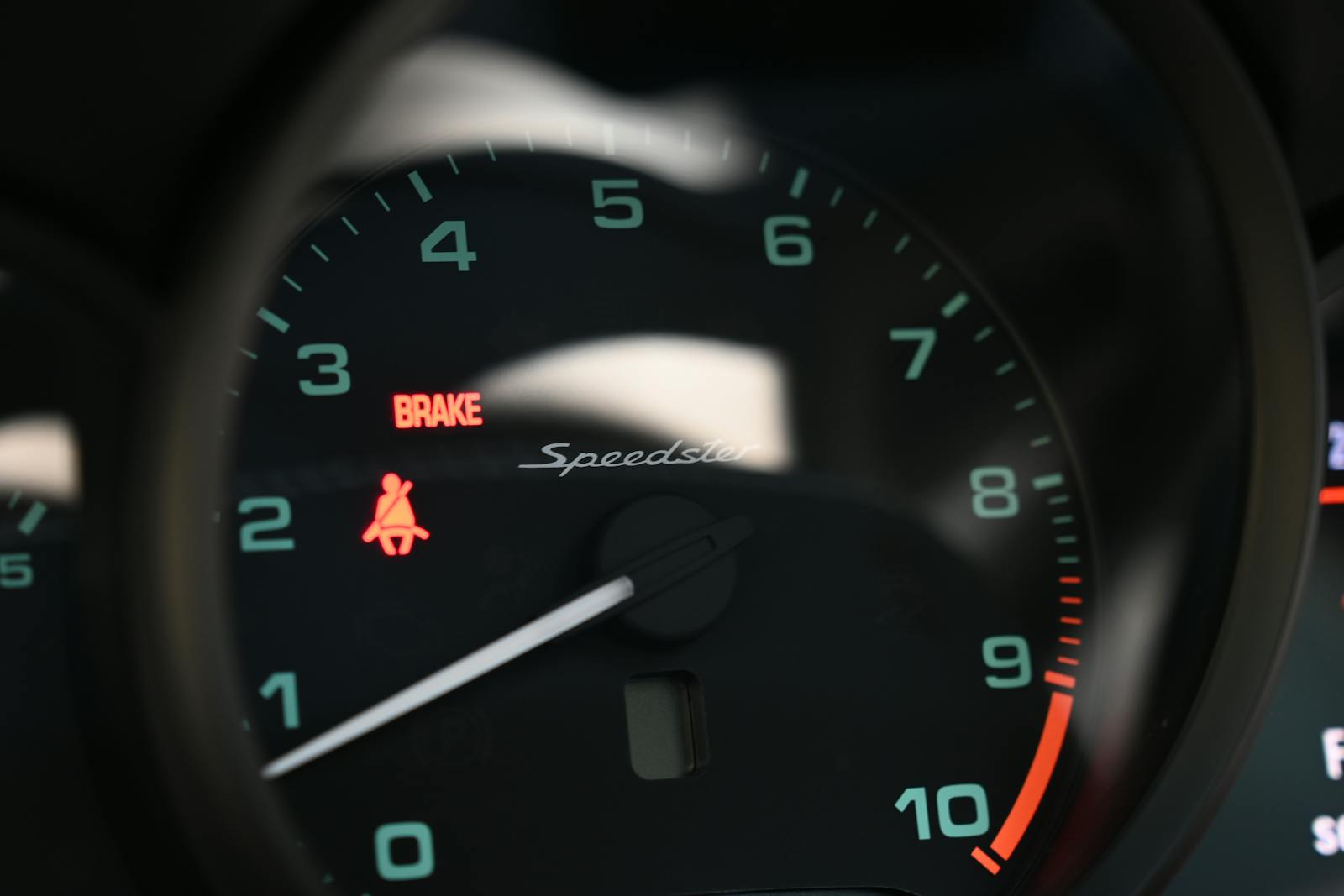

I was barely a mile out of the dealership when the dashboard did that thing it does now—lit up like a tiny, expensive Christmas tree. The same warning light that sent me in for a recall repair blinked on again, bold as ever, before I even made it to the highway entrance. You know that moment where you laugh a little because the alternative is screaming? Yeah, that one.
This isn’t just a personal annoyance (though it absolutely is). It’s also a surprisingly common story in a year when recalls are stacking up and dealerships are booked out like it’s concert season. And when a “fixed” car immediately throws the same warning, it raises a bigger question: what, exactly, counts as “repaired” in the recall world?
The five-minute victory lap that ended early
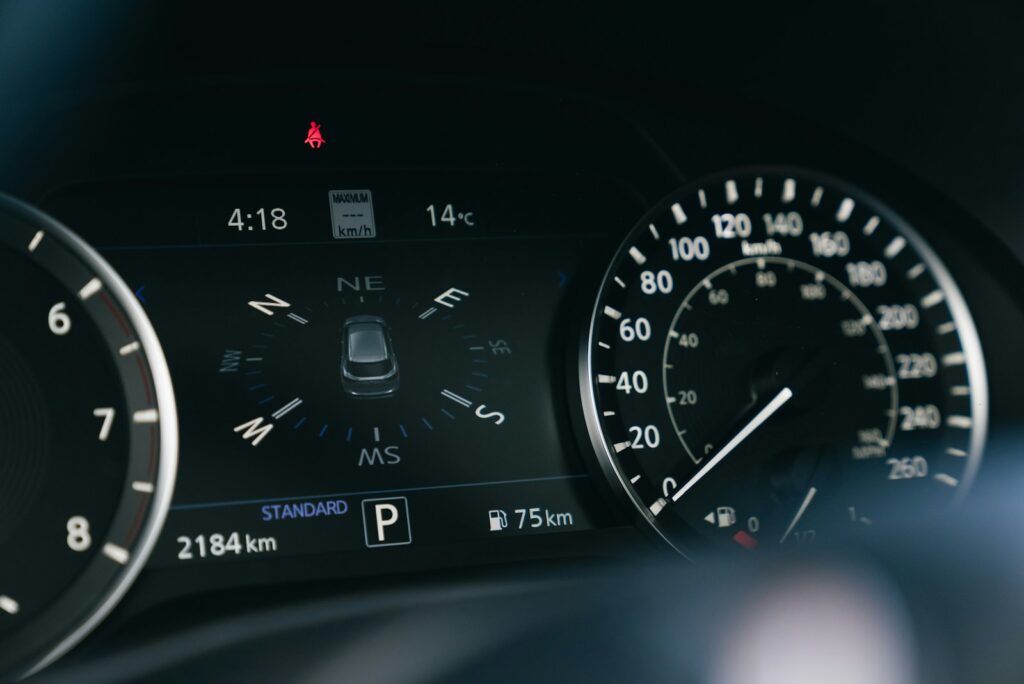
The service advisor handed over my keys with the usual reassuring tone: “All set. Recall completed.” I got the printout, a quick explanation that sounded confident, and that slightly awkward walk back to the parking lot where you try to remember which row you’re in while pretending you’re not lost.
The car started fine. I pulled out, merged onto the main road, and for a brief, glorious moment, I believed in modern problem-solving. Then—ding—there it was again, the same warning light, popping up like a notification you can’t swipe away.
Why a recall “repair” can still leave you with a warning light
Here’s the tricky part: a recall repair isn’t always the same thing as a full diagnosis of everything that might be related. Recalls are typically narrow by design—replace this part, update that software, reinforce this component—because the manufacturer is addressing a known defect in a specific batch of vehicles. If your car’s warning light was triggered by something adjacent (or something that developed alongside the recalled issue), the recall work might not touch it.
Also, warning lights don’t always behave like polite houseguests who leave when the problem’s fixed. Some systems need a “drive cycle” to confirm everything is stable, and others require the technician to clear codes and verify they don’t return. If a code comes right back, it can mean the underlying issue is still there—or that something in the repair process didn’t stick the landing.
Recalls move fast, and dealerships are under pressure
No one likes to hear this, but speed and volume are part of the recall reality. When a major recall hits, dealerships often have a flood of cars coming in, limited technicians, and a workflow that’s designed to process lots of identical repairs efficiently. That doesn’t automatically mean sloppy work, but it does mean the environment isn’t exactly calm and leisurely.
Think of it like a busy kitchen during brunch. Even great cooks can miss a modifier when tickets are flying. In car terms, that might look like a connector not fully seated, a sensor that needs recalibration, or a software update that didn’t complete properly.
Is it safe to drive when the warning light returns?
This is where the specific light matters a lot. A check engine light that’s steady can sometimes mean “not urgent, but don’t ignore me,” while a flashing check engine light is more like “pull over when it’s safe.” Brake system warnings, airbag lights, and power steering warnings deserve extra respect, because they can involve safety systems that you really want working every single time.
If you’re not sure what the light means, your owner’s manual usually has a quick guide, and many cars display a short message in the instrument cluster. When in doubt, it’s reasonable to turn around and head back—especially if the car feels different, sounds odd, or you notice hesitation, overheating, or rough running. Nobody wants to be the person on the shoulder calling for a tow because they decided to “just see if it goes away.”
What to do right away (and what to say when you call)
If the warning light returns immediately after a recall repair, treat it like a continuation of the same visit, not a brand-new mystery. Call the service department as soon as you can and say, “The warning light related to the recall came back on within minutes of pickup.” That phrasing matters because it signals urgency and makes it harder for your issue to get parked in the “schedule it next month” lane.
Ask them to note the mileage and time since pickup, and request that they document it on the repair order. If you can safely snap a quick photo of the dashboard message, do it—boring evidence is still evidence. And if your car has an app that logs alerts, take a screenshot there too.
What could be going on under the hood (in plain English)
Sometimes the simplest explanation is the right one: the fix didn’t fully take, or a related component was already failing and the recall work didn’t change that. A loose electrical connector or a sensor that’s slightly out of spec can trigger the same warning even if the recalled part was replaced correctly. Software updates can also be finicky; if the update doesn’t “stick,” the car may throw the same code again like it never got the memo.
There’s also the possibility that the recall addresses only one failure mode, but your car has another. Manufacturers write recall remedies to cover the defect they’ve identified—not every possible symptom that shares a warning light. It’s frustrating, but it’s how the system is built.
Will you have to pay for anything if the recall didn’t fix it?
If the warning light is directly tied to the recall defect and the remedy didn’t solve it, you generally shouldn’t be paying to get the recall work completed properly. The dealer should re-check the work, confirm the repair procedure was followed, and make it right under the recall coverage. That said, if diagnostics reveal a separate problem unrelated to the recall, they may charge for that repair—so it’s worth asking them to clearly separate “recall-related” from “additional findings” in writing.
If you feel like you’re getting the runaround, you can contact the manufacturer’s customer care line and open a case. Having the dates, repair order numbers, and photos makes that process smoother. It’s not about being dramatic—it’s about creating a paper trail that helps everyone move faster.
The bigger picture: a warning light is a conversation starter, not an ending
The most annoying part of a post-recall warning light isn’t the light itself—it’s the whiplash. You did the responsible thing, scheduled the appointment, waited your turn, and trusted the fix. Then your car immediately tells you, “Actually… no.”
Still, a quick reappearance can be useful, because it narrows the timeline and gives technicians a clearer clue. Problems that show up right away are often easier to reproduce and diagnose than the ones that vanish for two weeks and return the night before a road trip. If your car is going to be dramatic, at least it picked a convenient moment.
What I’m doing next—and what you might do, too
I’m heading back to the dealership with the dashboard photo, the paperwork, and a polite-but-firm request: recheck the recall repair and scan the codes while the light is active. I’m also asking for a clear explanation of whether the code matches the recall issue or points to something else. Friendly tone, sharp questions—like ordering coffee, but with higher stakes.
If you’re in the same boat, don’t talk yourself out of going back. A recall repair should leave you safer, not second-guessing your dashboard on the way to the highway. And if the light comes back before you’ve even hit the on-ramp, that’s not “one of those things”—that’s the car asking for a do-over, loud and clear.
More from Steel Horse Rides: