
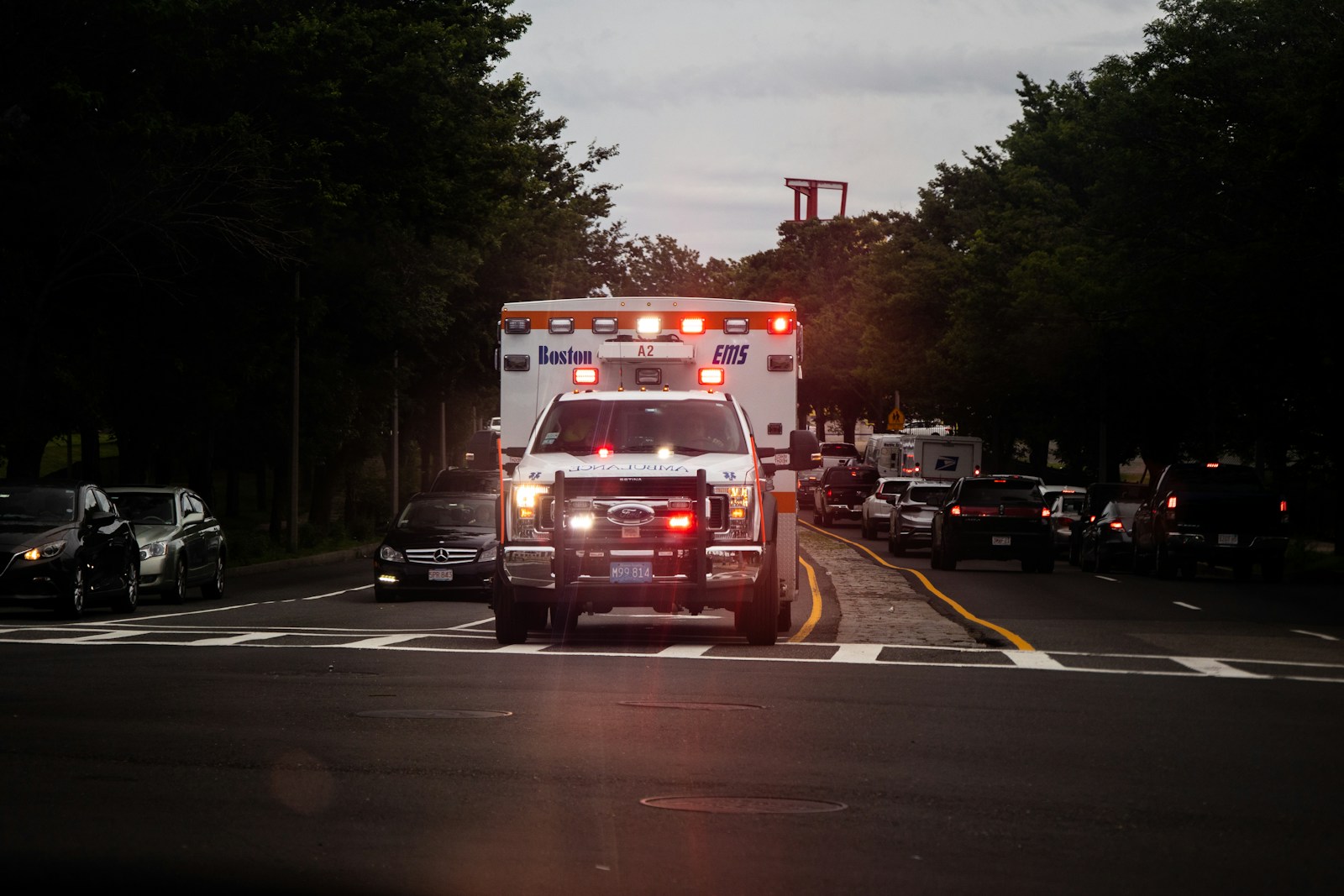

We’ve all been there, right? You’re cruising down the road, maybe humming along to your favorite tune, when suddenly, you spot those flashing lights in your rearview mirror. Your heart skips a beat as you instinctively slow down to give way, feeling like a responsible citizen. But then, out of nowhere, you hear that dreaded crunch—someone’s just rear-ended you! Now you’re left wondering: Who’s at fault here? Let’s untangle this little traffic conundrum.
The Legal Landscape
First things first: let’s talk about the law. Most states have laws that require drivers to yield the right of way to emergency vehicles. That means if you see a police car, ambulance, or fire truck with lights flashing, you should slow down and, if safe, pull over to the side. You’re doing the right thing, and that’s commendable! But here’s the kicker—just because you’re following the law doesn’t automatically mean you’re free from liability in an accident.
In this scenario, the driver who rear-ended you might argue that they were following too closely or weren’t paying attention. Depending on the specifics of the situation, they could be considered at fault. However, the fact that you slowed down for an emergency vehicle can complicate matters. Depending on where you live, your actions might be seen as contributing to the accident, especially if the driver didn’t have enough time to react. It’s like a game of legal tug-of-war!
Insurance Companies: The Real MVPs (or Villains?)
Now, let’s chat about insurance companies. They’re like the referees of the car accident world, and their judgment can sway the outcome significantly. After an accident, both drivers usually provide their statements to their insurance companies, who will investigate the incident. They’ll look into factors like traffic laws, road conditions, and driver behaviors leading up to the accident. If it turns out you were doing everything right, your insurance company should advocate for you. But if they find that slowing down contributed to the accident, you might be looking at a different scenario.
And here’s where it gets a bit sticky: some insurance companies have a tendency to assign blame based on the percentage of fault. So, if they conclude that you were 30% at fault for slowing down too suddenly, they might not cover all your damages. Always a fun surprise, right? That’s why having a solid understanding of your local traffic laws and your insurance policy is critical.
If You’ve Been in This Situation
So, what should you do if you find yourself in this situation? First, take a deep breath. I know, easier said than done! Gather as much information as you can—witnesses, photos of the scene, and any dashcam footage if you’ve got it. This evidence can be invaluable when it comes to establishing the facts of the case. Plus, it gives you something to show your friends when they ask about that epic rear-end collision.
Next, report the accident to your insurance company as soon as possible. Be honest about what happened, but try to stick to the facts. They’ll guide you through the claims process, and their expertise can often help clarify any murky legal waters. If you find yourself feeling overwhelmed, you might consider reaching out to a legal professional who specializes in traffic accidents. They can offer insights tailored to your specific situation. Sometimes, a little expert advice can be just what you need to feel confident moving forward.
Preventing Future Mishaps
Now, let’s get a bit proactive here. To avoid being in a similar pickle in the future, it’s essential to stay alert on the road. We all have those days where we’re a little more distracted—maybe you’re juggling coffee and your phone, or perhaps you’re deep in thought about what’s for dinner. But when you spot an emergency vehicle, it’s crucial to focus and be prepared to react. The road can be unpredictable, and staying in the moment is key.
Also, consider the distance between you and the car in front of you. It’s generally good practice to keep a safe following distance, especially when the unexpected happens. You never know when you’ll need that extra space to react to sudden stops, be it for emergency vehicles or just a squirrel having an existential crisis in the middle of the road.
Final Thoughts
At the end of the day, road safety is about more than just following the rules; it’s about being mindful of your actions and their potential consequences. Slowing down for emergency vehicles is a noble act, and you should feel good about that. But as with many things in life, it’s all about balance. So next time you see those flashing lights, remember to stay alert and keep a safe distance from the car in front of you. And if the unfortunate happens, just know you’re not alone in this—you’ve got options, and you can navigate it together, one step at a time.
More from Steel Horse Rides: