
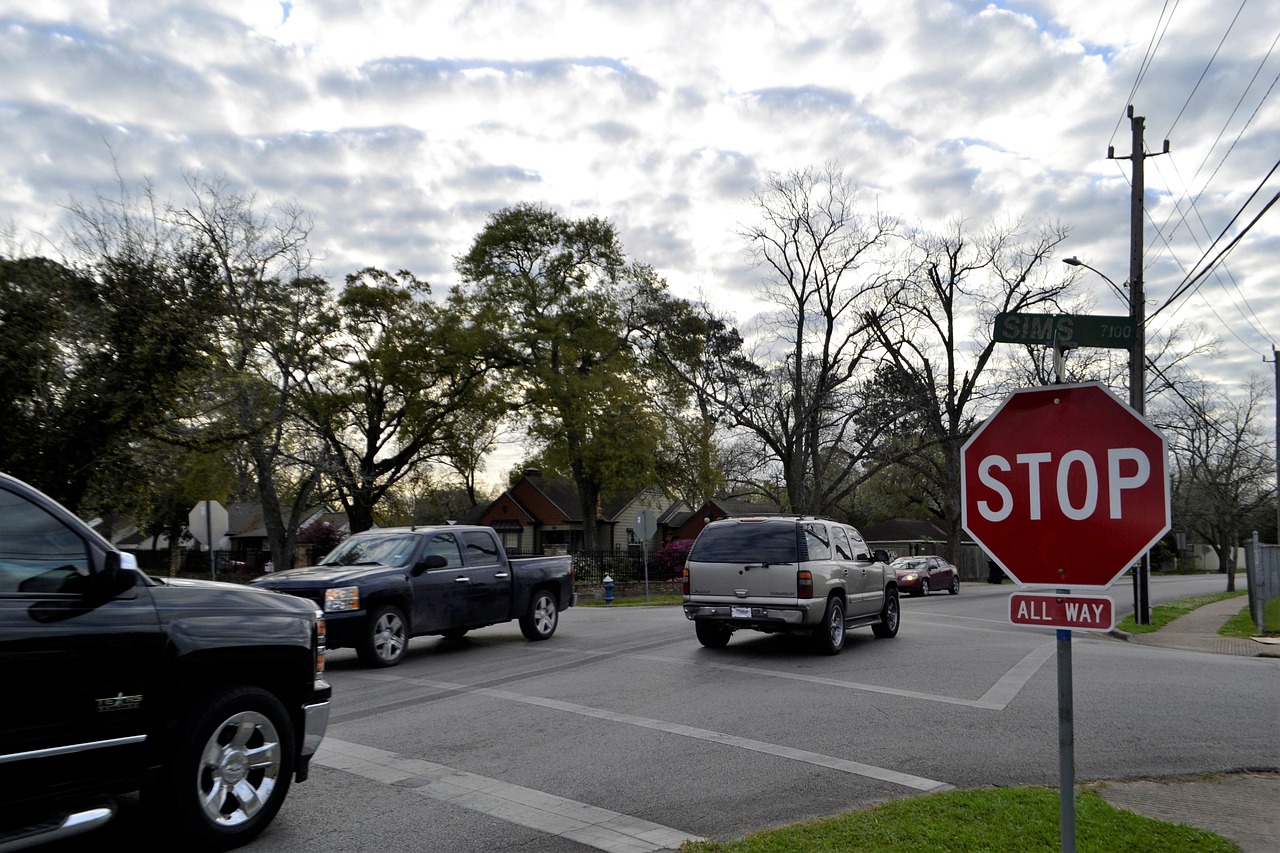

The stop sign looked ordinary enough, the kind you’ve seen a thousand times without thinking twice. But the intersection didn’t have a bold white “stop line” painted on the pavement—no crisp boundary telling you exactly where your tires should freeze. The driver slowed, rolled a bit, checked for cross traffic, and kept going. A few seconds later, red-and-blue lights filled the rearview mirror.
When the driver pointed out the missing line, the officer’s response was blunt: “Ignorance isn’t an excuse.” And just like that, what felt like a harmless “California roll” turned into a ticket—and a pretty relatable question: if the road markings aren’t clear, how is anyone supposed to know where to stop?
A very common intersection problem
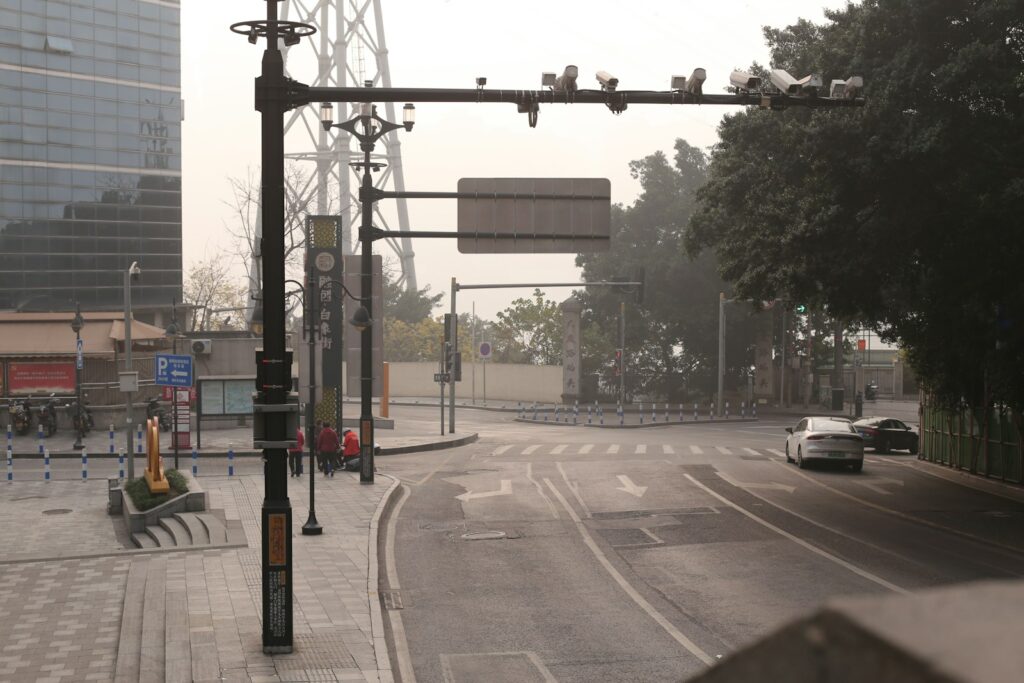
This situation isn’t rare, especially in older neighborhoods, rural roads, or places where road paint has faded into a faint ghost of what it used to be. Sometimes the stop bar was never there. Sometimes it’s worn off after a few winters, a few resurfacing jobs, or a long stretch of “we’ll get to it later” maintenance priorities.
Drivers, being practical creatures, tend to stop where it feels natural—near the sign or where they can see cross traffic. But traffic laws aren’t written around vibes. They’re written around rules, and those rules often assume markings and signs are in decent shape, even when reality disagrees.
So where are you supposed to stop if there’s no line?
In most U.S. jurisdictions, the basic stop rule is pretty consistent: you must come to a complete stop at the stop line if there is one. If there isn’t, you stop before entering the crosswalk. And if there’s no marked crosswalk, you stop before entering the intersection—usually interpreted as stopping at the “limit line,” the point where the roadway of the intersecting street begins.
That can feel maddeningly abstract when you’re the one behind the wheel. “Before entering the intersection” sounds clear until you’re facing a wide apron of asphalt with no paint and no sidewalk. But legally speaking, the idea is that your car should be fully stopped at a point where you’re not blocking pedestrian space (even if it’s unmarked) and not nosing into the cross street.
Why officers don’t love the “but there was no line” argument
The officer’s “ignorance isn’t an excuse” line may sound harsh, but it’s basically a summary of how traffic enforcement works. The law expects drivers to know the general rule—stop line, crosswalk, intersection—whether the paint is fresh or not. Road markings help, but they don’t replace the underlying obligation to stop.
And from an enforcement perspective, “I didn’t see a line” can sound a lot like “I didn’t want to stop all the way.” That’s not always fair, but it’s how the conversation often goes at the roadside, where nobody’s in the mood for a seminar on municipal paint budgets.
The “rolling stop” that gets everyone eventually
Rolling stops are one of those things drivers do because they feel efficient and, most of the time, nothing bad happens. You slow down, look both ways, keep the wheels moving, and your brain files it under “safe enough.” Then you get pulled over once, and suddenly you realize the rule is not “slow down a lot.” It’s “stop,” as in the car is motionless, even if it’s just for a second.
Officers also tend to focus on these areas because failure-to-stop crashes are common—and they’re often ugly. A full stop forces a reset: it buys you time to check again, notice a cyclist, see a kid near the corner, or catch the car that was hidden behind a parked SUV. It’s boring, but boring is kind of the goal in traffic safety.
But if the intersection is poorly marked, isn’t that on the city?
It can be, at least in the sense that unclear markings make compliance harder and misunderstandings more likely. Missing stop bars, faded signs, or confusing geometry can absolutely contribute to mistakes, and plenty of local governments know they’ve got intersections that need love. Sometimes they even fix them right after a wave of complaints or tickets—which is its own little civic-romance story.
Still, “the city should’ve painted a line” usually doesn’t erase the driver’s responsibility in the moment. The legal expectation is that you adjust to the conditions: if it’s unclear, you stop earlier and more deliberately. Think of it as defensive driving, but for bureaucracy.
What drivers can do in the moment (besides sigh deeply)
If you’re approaching a stop sign with no line, the safest habit is: stop before the crosswalk area—even if it’s unmarked—and definitely before the edge of the intersecting roadway. If your visibility is awful from that position, do it in two steps: first, a complete stop at the proper point, then creep forward slowly to a better sightline and check again. That “stop, then creep” approach is usually both legal and sensible.
And yes, it takes longer. But it also keeps you from being the lead character in a story that starts with “I barely tapped the brakes” and ends with an insurance claim.
If you got the ticket, do you have any options?
Tickets for stop-sign violations typically aren’t fun to fight, but they’re not always hopeless either. The outcome depends on your local laws, what the officer observed, whether there’s dashcam or bodycam footage, and how the intersection is laid out. If the citation lists a specific statute, look it up—sometimes the exact wording about stop lines and crosswalks matters more than you’d think.
If you want to contest it, documentation helps: take clear photos of the intersection from a driver’s perspective, including the absence (or poor visibility) of any stop line or crosswalk markings. If there are environmental factors—sun glare, a curve, parked cars—capture those too. You’re not arguing “I shouldn’t have to stop.” You’re arguing about where the required stop point reasonably was and whether the officer could accurately judge your stop from their position.
The bigger takeaway: assume the paint is lying
The frustrating truth is that road markings are sometimes missing, faded, or inconsistent, but the expectation to follow the rule stays put. If the line isn’t there, the law usually treats the crosswalk—or the intersection boundary—as the line you’re supposed to respect. It’s like an invisible speed bump for your wheels and your patience.
So if you’re ever in that same situation, the best move is to stop a little earlier than feels necessary, pause fully, and then inch forward if you need a better view. It’s not glamorous, but it’s cheaper than a ticket—and it keeps the officer from having the last word with “Ignorance isn’t an excuse,” which, honestly, is a phrase nobody wants echoing in their car on the drive home.
More from Steel Horse Rides: