
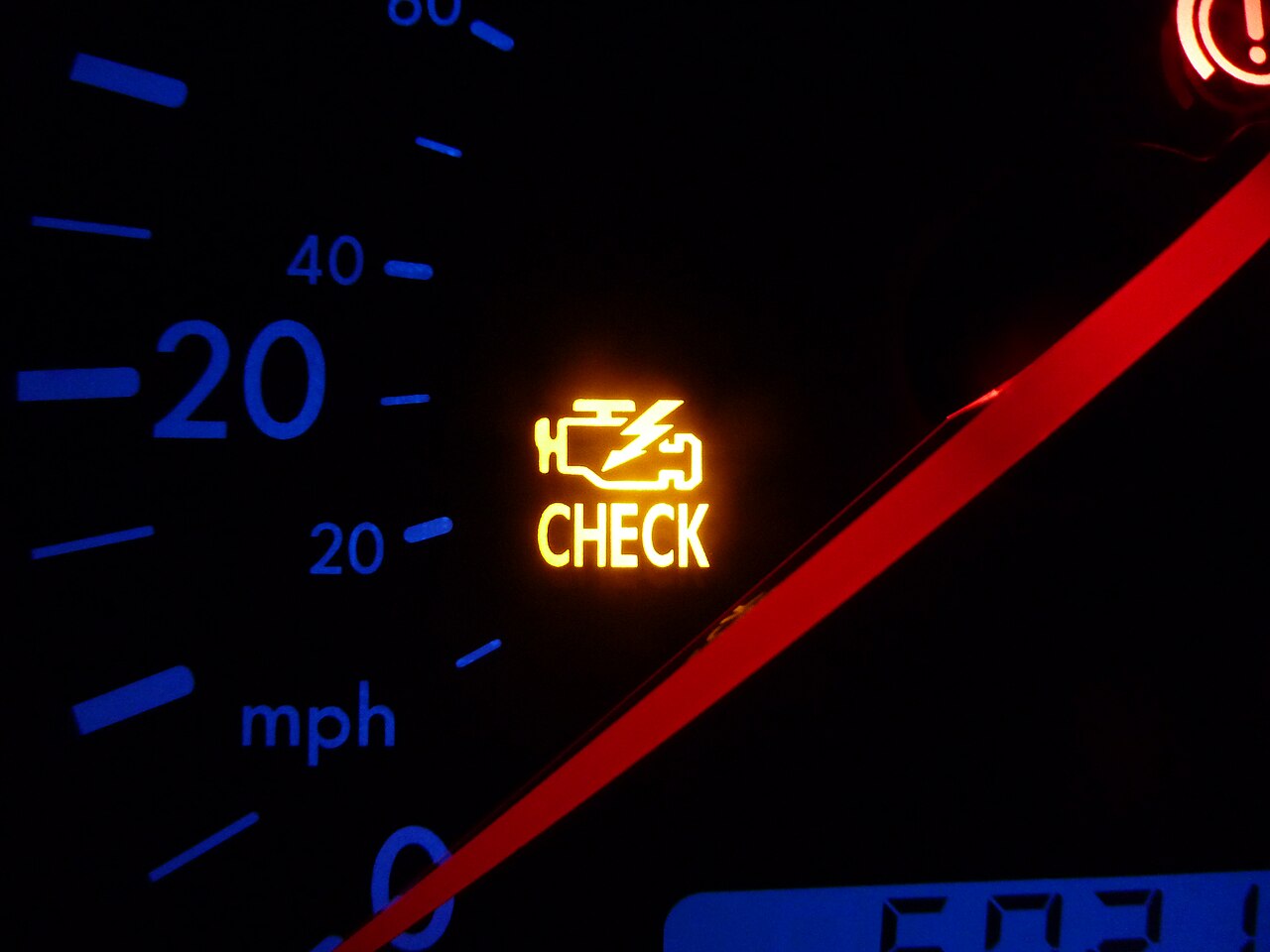

I’d barely had time to get used to the “new car smell” when the dashboard lit up like it had a comment to make. Halfway home from the dealership, the check engine light came on—steady, unapologetic, and very much not the vibe I was sold an hour earlier.
I did what most of us do: a quick mental scan of every possible cause, from “loose gas cap” to “the engine is about to fall out.” Then I called the dealership, because surely this was their problem, not mine.
The Call That Made My Eyebrow Hit the Ceiling

The service manager listened, paused, and then delivered a line that’s now burned into my memory: “Drive it for a few days and see if it learns itself.” Not “bring it right in,” not “we’ll scan it,” not even a comforting “it’s probably nothing.” Just… let the car marinate in its own confusion and hope it figures itself out.
To be fair, modern cars really do have systems that “relearn” certain settings—idle control, fuel trim adjustments, transmission shift points. But the check engine light isn’t your car’s way of saying, “I’m adapting.” It’s your car’s way of saying, “Hey, something is outside normal limits, and I wrote it down.”
What a Check Engine Light Actually Means (and What It Doesn’t)
A check engine light (CEL) is triggered when the car’s onboard diagnostics system detects a fault that could affect emissions, performance, or reliability. The key detail is that it stores a trouble code, like a breadcrumb trail for a technician. The light doesn’t tell you what’s wrong, but the code usually points in the right direction.
Also important: there’s a difference between a steady light and a flashing one. Steady usually means “you should address this soon.” Flashing is more like “stop driving before you turn your catalytic converter into a very expensive paperweight.”
Yes, Some Cars “Relearn”—But That’s Not a Magic Fix
Here’s the grain of truth inside that “learn itself” comment: cars can throw temporary codes after battery disconnects, software updates, sensor hiccups, or even a slightly weird startup sequence. Sometimes the issue doesn’t repeat, the system runs its self-checks, and the light goes off on its own after a few drive cycles.
But that’s not the same as fixing a problem. If the light came on because a sensor is failing, there’s a vacuum leak, or the fuel mixture is off, the car isn’t going to meditate its way back to perfect health. The light might go away, but the code often remains stored—and the underlying issue can quietly come back at the worst possible time.
The Dealership’s Incentive: Not Always Your Incentive
If you’re wondering why a service department might brush this off, there are a few possibilities, and none are especially comforting. Sometimes they’re slammed and trying to reduce same-day appointments. Sometimes they assume it’s minor and don’t want you coming back angry if it turns out to be “nothing.”
And sometimes—this is the slightly opinionated part—it’s a customer-management tactic. If the light turns off, you might not call again. If it stays on, you’ll call back later, and it becomes tomorrow’s problem instead of today’s.
What You Should Do Instead (Without Spiraling)
First: don’t panic, but don’t ignore it either. If the light is flashing or the car is running rough—misfiring, shaking, losing power, smelling like raw fuel—pull over and get it checked ASAP. That combo can cause real damage quickly.
If it’s steady and the car drives normally, you’ve got a little breathing room. But you still want the code read soon, ideally the same day or within a day or two. Many auto parts stores will scan codes for free, and a cheap OBD-II scanner can pay for itself the first time you avoid an unnecessary visit.
The “Loose Gas Cap” Myth (It’s Real, But Don’t Bet Your Weekend on It)
Yes, a loose or faulty gas cap can trigger a check engine light because it affects the evaporative emissions system. If you just fueled up, it’s totally reasonable to tighten the cap until it clicks and see if the light resolves after a few trips. But that’s a quick check, not a strategy.
Also, some cars don’t even have traditional caps anymore, and others have caps that look tight but have worn seals. If the dealership immediately blames the gas cap without scanning the code, that’s like diagnosing a headache by saying, “Have you tried blinking?”
If You Just Bought the Car, Document Everything
This part matters: if the check engine light came on immediately after purchase, treat it like a paperwork situation as much as a car situation. Take a photo of the dashboard with the light on and note the time and mileage. Write down who you spoke with and what they told you—especially if they suggested waiting.
If you get the code scanned, save the printout or screenshot. If it turns into a warranty claim or a “was it like this when you bought it?” debate, receipts and timestamps are your best friends.
What to Say to the Service Manager So You Get Taken Seriously
You don’t have to be combative, but you do want to be clear. Something like: “I understand some systems relearn, but the CEL means a code is stored. I’d like it scanned today so we can confirm whether it’s a temporary fault or an active issue.” Calm, specific, hard to argue with.
If they push back, ask whether they’re advising you in writing that it’s safe to drive and that any resulting damage would be covered under warranty. Funny how fast the tone changes when the advice has to survive daylight and paperwork.
The Bottom Line: Cars Don’t “Learn” Their Way Out of Real Problems
It’s possible the light will turn off after a few drive cycles, and the world will keep spinning. But the smart move is still to read the code early, especially right after a dealership visit. A ten-minute scan can save you days of guessing and a lot of unnecessary stress.
And honestly, if a brand-new-to-you car throws a check engine light before you’ve even finished your first drive home, you’re not being “extra” for wanting answers. You’re being reasonable—and your future self, stranded in a parking lot somewhere, will thank you for it.
More from Steel Horse Rides: