
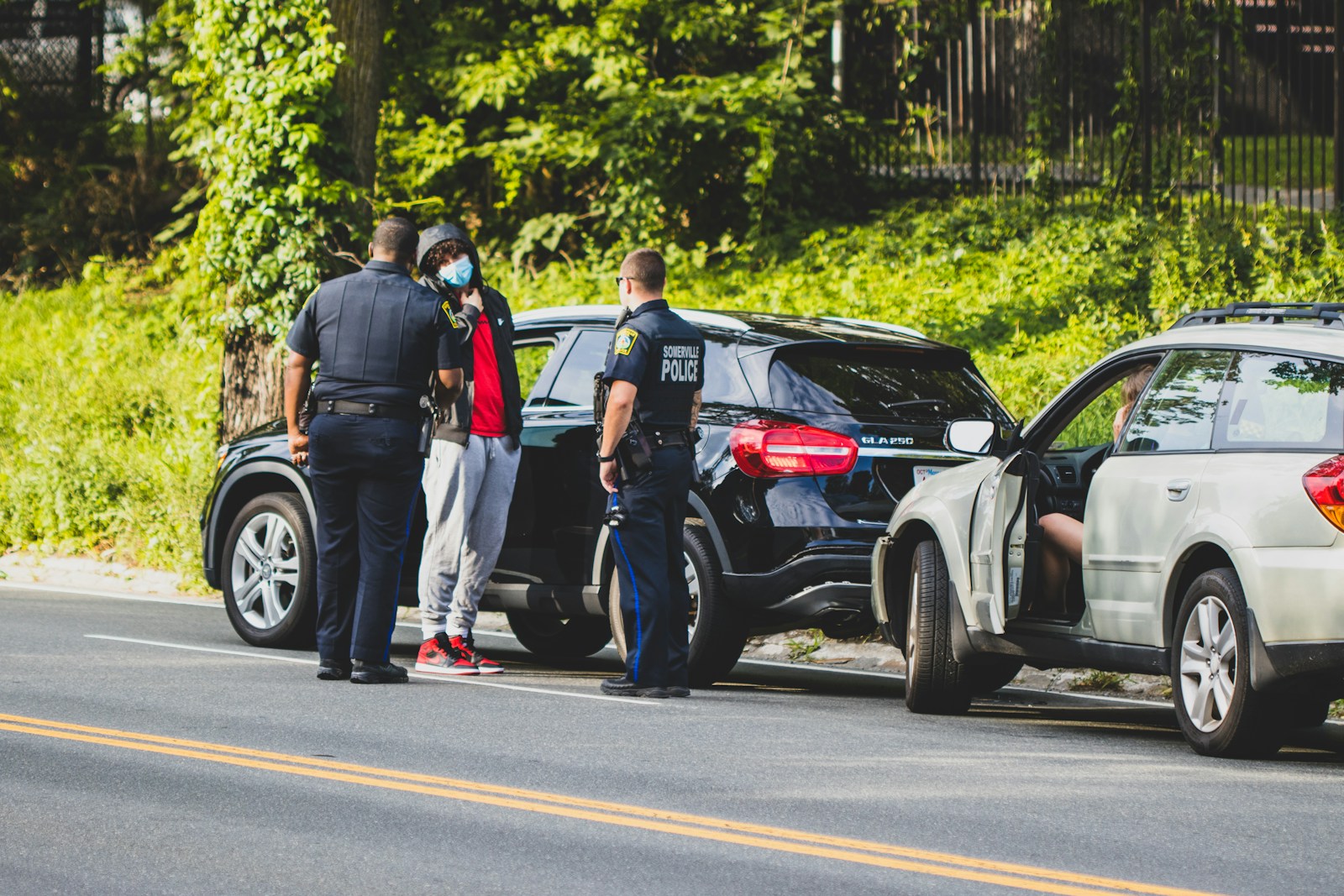

It started the way a lot of weird stories do: late evening, a mostly empty road, and that sudden flash of red-and-blue in the rearview mirror that makes your stomach drop even when you know you weren’t speeding. I signaled, pulled over, and did the quick mental scan—license, registration, insurance, polite voice, hands visible. The officer walked up like he already knew the punchline.
“Your taillight’s out,” he said, matter-of-factly. And I said the thing everyone says in that moment: “Really?” because what else do you say when you’re being told your car is broken and you’re pretty sure it isn’t.
“Your Taillight’s Out.” Except… It Wasn’t.
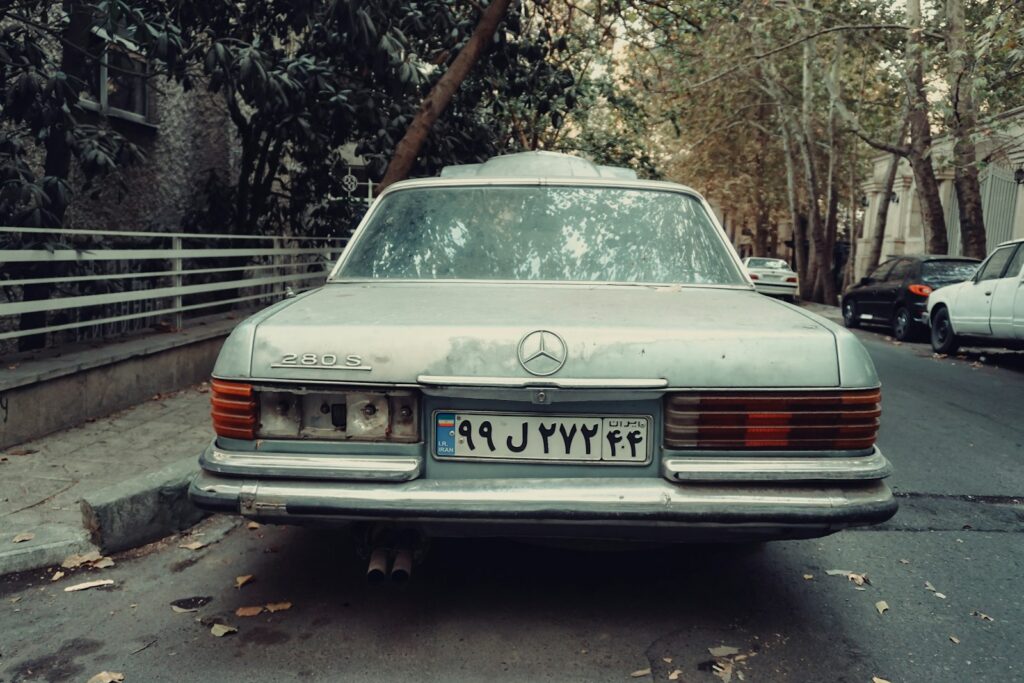
I’m not a car person, but I do have eyes, so after the officer pointed it out, I asked if I could check. He nodded, and I stepped out and walked to the back of the car with that careful, slightly stiff posture you get when you’re trying to look cooperative and non-threatening at the same time. I hit the brakes, flipped the lights on, even turned on hazards—everything lit up like a Christmas display.
The officer stared at it for a beat, then said, “Huh. Must’ve fixed itself.” Like my taillight had just taken a deep breath, reset its chakras, and decided to rejoin society. I laughed—mostly out of disbelief—and he didn’t exactly laugh back, but you could tell even he knew how ridiculous that sounded.
The “Phantom Taillight” Problem Is More Common Than You’d Think
As absurd as “fixed itself” sounds, taillights really can work intermittently. Bulbs can be loose, sockets can corrode, wiring can jiggle just right (or wrong), and LED assemblies can glitch. Sometimes the vibration of driving hits a sweet spot and the connection drops—then bumps again and comes back.
But here’s the thing: intermittent doesn’t automatically mean “you’re imagining it,” and it definitely doesn’t mean “no harm, no foul.” If you’re driving around with a taillight that sometimes quits, you can still get pulled over. And if you’re unlucky, you could get ticketed even if it’s shining bright at the exact moment you’re standing on the shoulder trying not to get sideswiped.
What a Stop Like This Is Really About
Traffic stops are often framed as simple safety enforcement—broken light, expired tag, rolling stop, that kind of thing. And plenty of the time, that’s exactly what they are. Still, stops like mine raise the question people don’t always ask out loud: was it really about the taillight?
Because a broken light is one of those low-stakes, hard-to-argue reasons to initiate a stop. If the officer believes the light is out, that’s typically enough to pull you over. Once you’re stopped, the interaction can expand: questions, checks, maybe a warning, maybe more. That doesn’t automatically mean anything shady happened here—but it does explain why “it fixed itself” feels less like an explanation and more like a shrug.
The Officer’s Line: Funny, Sure. Also Kind of a Big Deal.
On one level, it was unintentionally hilarious. My car, a self-healing machine. On another level, it’s a reminder that the power imbalance in a traffic stop doesn’t disappear just because the original reason gets wobbly.
When the stated reason for the stop evaporates—like, say, a taillight that’s suddenly working—most people still don’t feel like they can push back. You’re standing on the side of the road with a stranger who can write you a ticket (or worse) and you’re doing the math in real time: Is it worth arguing? Am I going to make this longer? Am I going to make this uncomfortable?
If This Happens to You, Here’s What to Do (Without Making It Weird)
First, stay calm and treat it like any other stop: be polite, keep your hands visible, and follow instructions. You don’t need to perform outrage, even if you feel it. The goal is to get through the interaction safely and with as little escalation as possible.
If the officer says something like “your light is out,” it’s fair to respond with a simple, neutral line: “That’s surprising—I’d like to check it when it’s safe. Is that okay?” If they say yes, check it quickly and matter-of-factly. If it works, you don’t have to dunk on them; just note it: “Looks like it’s on right now.”
After the stop, document what you can. If you’re in a state where it’s legal, you can record your interaction; if you’re not sure, look up your state’s consent rules ahead of time because roadside law school is stressful. And take a quick video of the taillights working when you get home (or at a safe spot) in case you need it later.
Yes, You Should Still Get It Checked
Even if you’re 99% sure the officer was wrong, that last 1% is worth chasing down. Intermittent electrical issues are real, and they don’t always show themselves in your driveway under perfect conditions. A bulb can fail under vibration, a connector can loosen, and moisture can make things flaky.
A mechanic can inspect the bulb, socket, wiring, and ground connection, and they can check for fault codes if your vehicle is modern enough to be chatty about lighting errors. If it’s a simple fix—tightening a connection, replacing a bulb, cleaning corrosion—you’ll be glad you did it. And if it turns out everything is pristine, you at least have peace of mind (and maybe a receipt) if it happens again.
The Bigger Takeaway: Little Stops Leave a Weird Aftertaste
I drove away with no ticket, no warning slip, nothing—just that odd, lingering feeling of being briefly accused by physics. The officer wasn’t hostile, and the stop didn’t escalate, but I couldn’t shake how easily “broken taillight” turned into “never mind.” It’s hard not to wonder how often that same script plays out for people who don’t get the convenient plot twist of a fully functioning light.
In the end, “it fixed itself” is a funny line, but it’s also a reminder: you can do everything right and still end up explaining your own reality on the side of the road. If it happens to you, keep it calm, document what you can, and get the light checked. And if your car truly has healing powers, please let the rest of us know—some of us have check-engine lights that could use a little self-improvement.
More from Steel Horse Rides: