
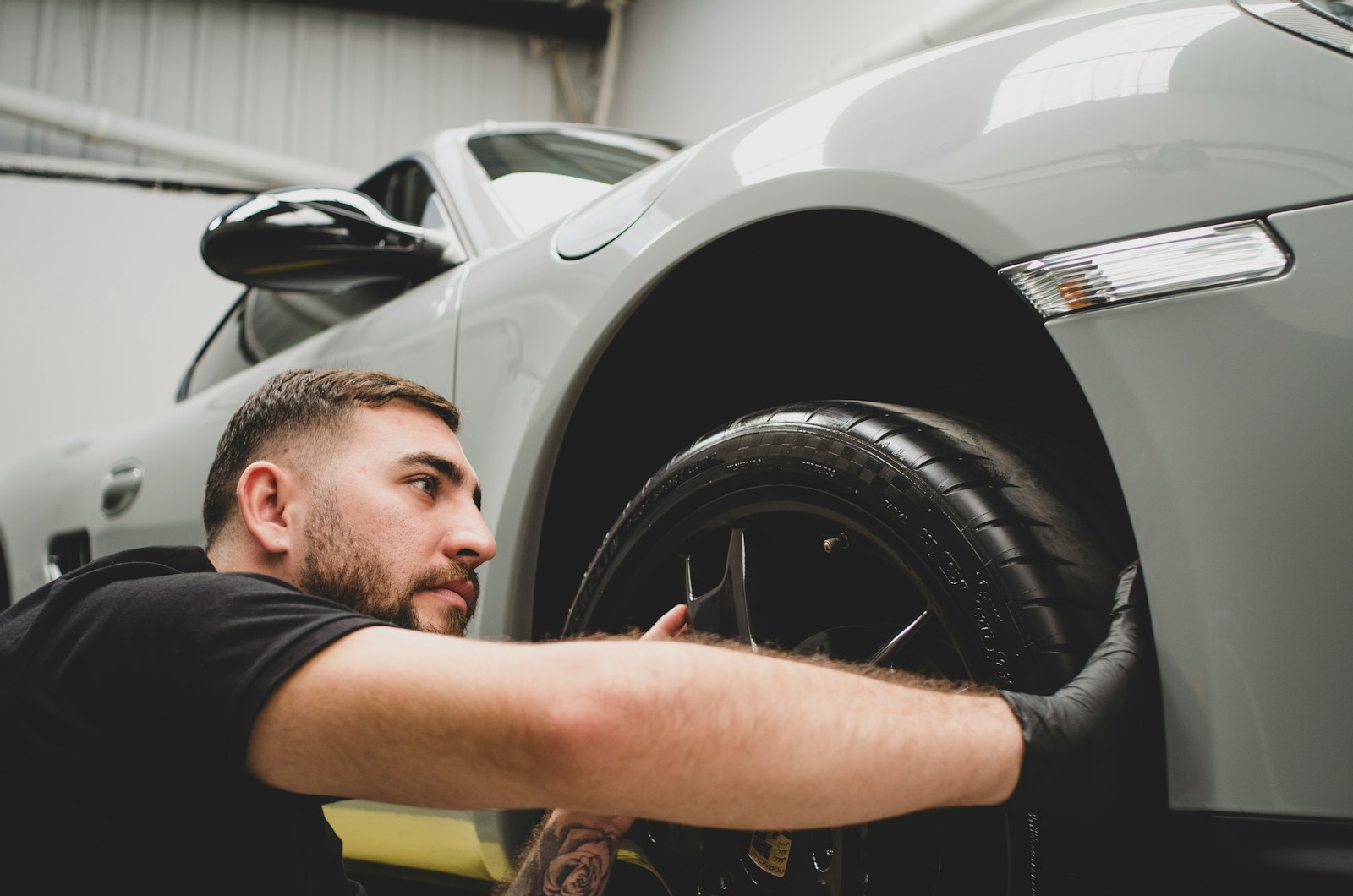

I went in for what I thought would be the most boring appointment on my calendar: a brake inspection. The car was stopping fine, no weird grinding noises, no brake warning light — I just wanted peace of mind before a weekend trip. You know, responsible-adult stuff.
Forty minutes later, I was sitting in a waiting room chair that had seen better decades, staring at an estimate that looked like a ransom note. “Urgent,” it said in multiple places, with numbers that made my stomach do that little elevator drop. The total was well into four digits, and somehow my simple brake inspection had turned into a full-blown automotive crisis.
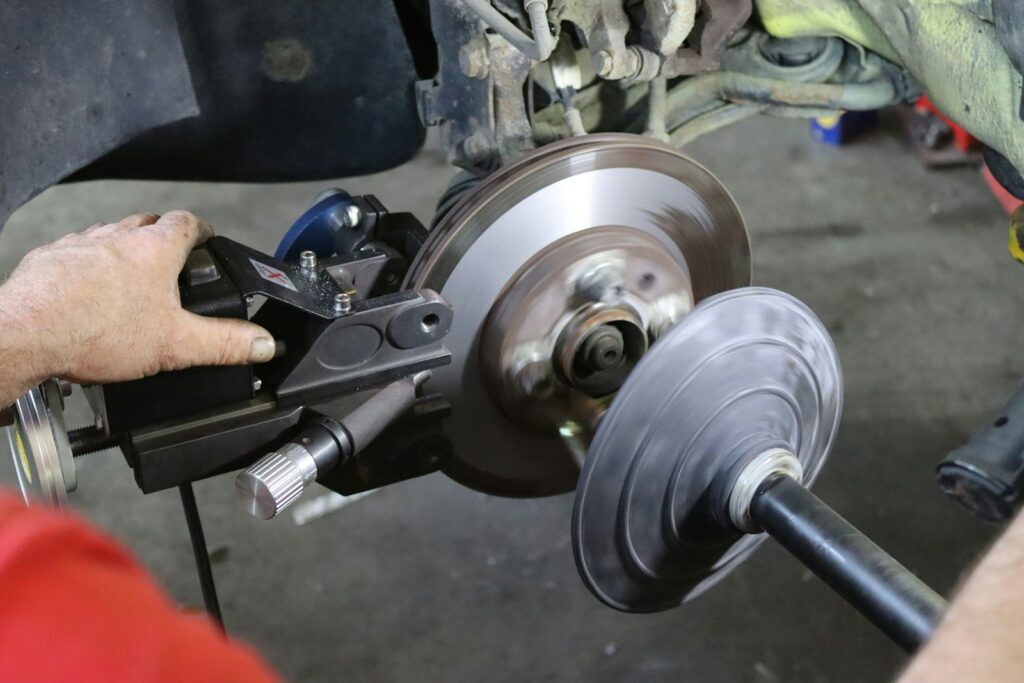
The “urgent” list: dramatic language, dramatic prices
The service advisor walked me through the findings like he was delivering medical test results. I “needed” new brake pads and rotors (okay, possible), but also new calipers (huh), brake fluid flush (maybe), suspension work (wait, what?), and a handful of add-ons with vague names like “critical hardware kit.” He stressed that some items were “unsafe” and that delaying could “damage other components.”
None of this came with photos, measurements, or much in the way of explanation beyond a lot of urgency and a few well-timed pauses. When I asked what specifically was failing, the answers were slippery: “They’re worn,” “it’s recommended,” “we see this all the time.” The only thing crystal clear was that I was supposed to authorize everything immediately — preferably right now, before the car somehow disintegrated in the parking lot.
The moment I decided to get a second opinion
I’m not anti-repair. Cars need maintenance, and mechanics deserve to be paid for skilled work. But when a shop goes from “inspection” to “your car is a rolling hazard” without showing their homework, it’s hard not to get suspicious.
So I did the thing we all say we’ll do and rarely actually do: I declined the repairs, paid for the inspection, and drove (carefully, like a person suddenly convinced their wheels might fall off) to another shop for a second opinion. I picked a well-reviewed independent place a friend swore by — the kind of shop where the waiting room has terrible coffee but great honesty.
The second shop’s verdict: “This is… fine?”
The second mechanic took the car for a quick drive, put it on the lift, and called me over. He showed me the brake pads and gave me a straightforward assessment: yes, they were wearing down, but I wasn’t in emergency territory. The rotors looked serviceable, the calipers weren’t leaking or sticking, and the suspension items on that “urgent” list didn’t appear to need immediate attention at all.
His overall takeaway was basically: “You’re okay. Plan for pads soon, but you’re not about to lose brakes on the highway.” He even gave me rough timelines — the kind that sound like real life, not a sales pitch — and said we could recheck in a couple months if I wanted. I left that shop feeling relieved, slightly annoyed, and also a little embarrassed that I’d been so close to handing over a huge chunk of money out of fear.
So why does this happen? The uncomfortable reality
Here’s the tricky part: some of it is gray area. Brake pads don’t go from “perfect” to “metal-on-metal” overnight, and different shops have different thresholds for what they call “needs replacement.” One shop might recommend replacing rotors automatically with pads; another might measure and resurface or reuse them if they’re still within spec.
But there’s also a less charitable explanation: fear sells. If a customer believes their car is unsafe, they’re far more likely to say yes on the spot. And because most people don’t have a mental library of brake measurements or know what a healthy caliper looks like, it’s easy to feel cornered by confident-sounding urgency.
The red flags I wish I’d recognized faster
Looking back, the biggest red flag wasn’t even the price — it was the lack of specifics. When I asked for measurements (pad thickness, rotor thickness, runout), I didn’t get real numbers. “Worn” is not a measurement; it’s a vibe.
Another warning sign was how quickly the conversation jumped from diagnosis to commitment. No option tiers, no “here’s what’s truly immediate vs. what can wait,” no suggestion to monitor anything. Just a hard push toward a full repair menu like I’d accidentally ordered the prix fixe anxiety special.
What you can do if you’re handed a scary estimate
First, don’t panic-authorize. It’s completely reasonable to say, “I need to think about it,” even if they act like you’re seconds away from catastrophe. If the car is genuinely unsafe, ask them to show you exactly why — in plain language, with measurements and photos.
Second, ask for the parts back if you do approve repairs. A good shop won’t get weird about it. And if they claim something is leaking, cracked, or failing, ask them to point to the leak, crack, or failure — ideally while the car is still on the lift.
Third, get a second opinion, especially for anything labeled “urgent” that isn’t obviously broken. Another shop can confirm the diagnosis, provide a different repair approach, or at least help you understand what’s truly time-sensitive. Yes, it takes extra time — but so does earning back $1,400 you didn’t need to spend.
How to find a shop that won’t treat your wallet like a piñata
Word of mouth is still undefeated. Ask friends who drive old cars — they know who’s honest because they’ve had to find the truth the hard way. Look for shops that explain things without pressure and are willing to show you the issue, not just describe it.
Reviews help, but read them like a detective. The best signs are patterns: people mentioning transparency, photos, clear estimates, and “they told me I didn’t need something yet.” That last one is rare, and it’s basically the automotive version of spotting a unicorn.
The takeaway: trust your instincts, then verify them
I’m glad I got the second opinion, and I’m even glad the first shop rattled me a bit — because it reminded me how easy it is to get steamrolled when you’re not expecting a sales moment. Most of us walk into a brake inspection thinking we’re buying information, not negotiating a crisis.
If you leave a shop feeling rushed, confused, or mildly bullied by the word “urgent,” pause and double-check. Cars can be expensive, but unnecessary repairs are a special kind of expensive — the kind that comes with regret as a free add-on. And if a mechanic takes the time to show you what’s actually going on? That’s the one you keep coming back to, even if the coffee is terrible.
More from Steel Horse Rides: