
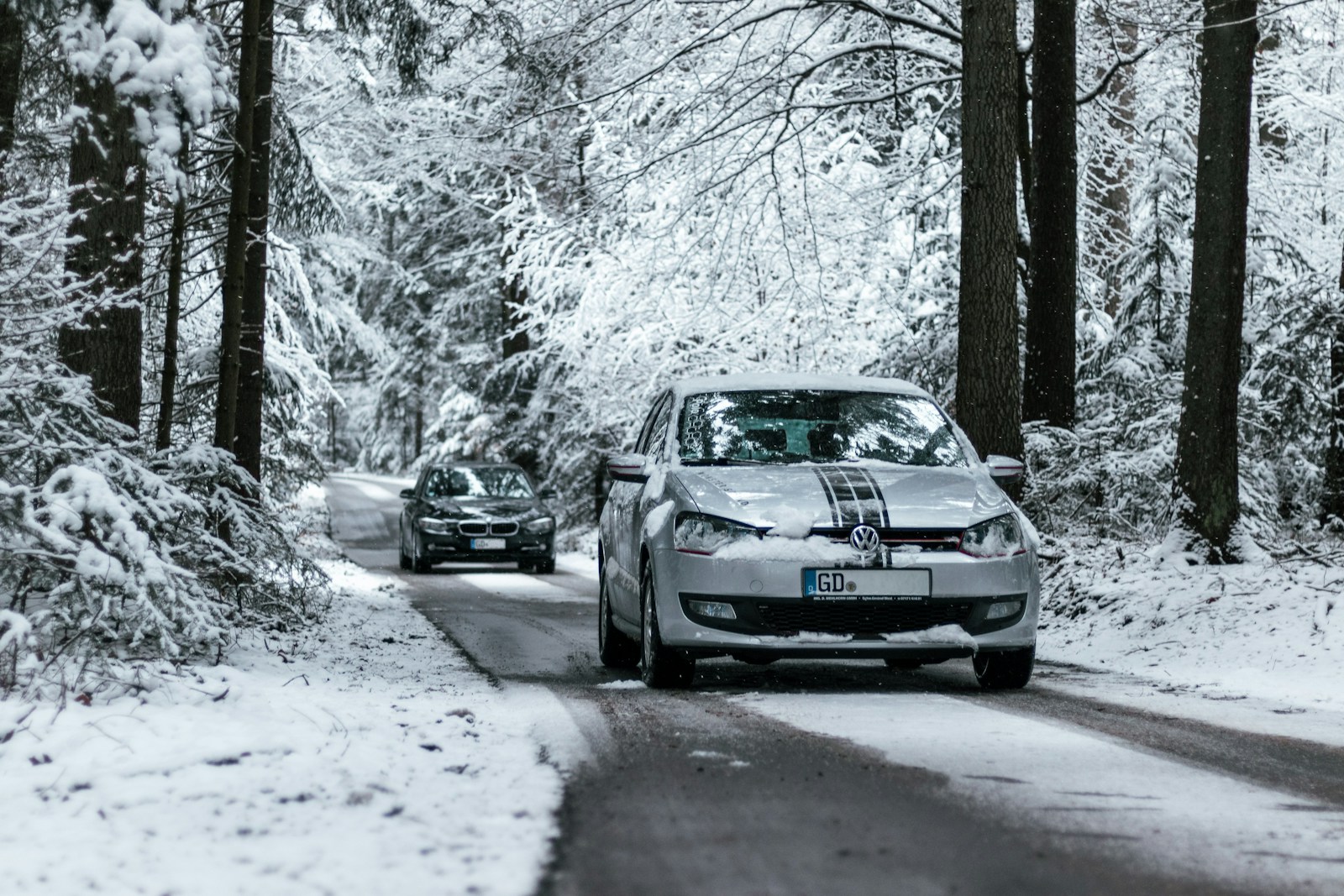

When a car suddenly starts to slide on ice, most drivers do the exact thing that makes the skid worse: they slam the brake pedal and freeze up. That instinct is understandable, but it is also the fastest way to turn a small slip into a full spin. The difference between a scary moment and a crash usually comes down to what the driver does in the next two seconds.
The core rule is simple: if the tires have already lost grip, anything abrupt will steal what little control is left. Staying off the brakes, keeping the steering smooth, and letting the car settle before making corrections gives the tires a chance to reconnect with the road. Everything that follows is about resisting panic and replacing it with a calm, almost boring set of moves that actually work.
Why Cars Slide On Ice In The First Place
Before talking about what not to do, it helps to understand why the car let go in the first place. When a road is icy, the thin layer of frozen water between the tire and the pavement wipes out friction, so the rubber cannot bite into the surface. As one safety guide explains, when a car starts to slide on ice it is usually because the driver is simply going too fast for the conditions and then adds a sudden input like steering, accelerating, or slamming the brakes, which overwhelms the tiny bit of grip that is left on that slick surface on ice.
Once the tires are sliding instead of rolling, they behave more like hockey pucks than rubber. That is why experts keep repeating that there should be no sudden movements of the steering wheel, the gas pedal, or the brake pedal when the road is icy, and why they urge drivers to leave a much bigger gap to the car ahead so they are not forced into abrupt reactions in the first place in traffic.
The One Thing That Makes A Slide Much Worse
The move that turns a mild skid into a full-blown spin is the hard, panicked stomp on the brake pedal. It feels logical, because in normal driving the brakes are how a driver fixes problems, but on ice that instinct backfires. Multiple safety advisories point out that one of the most common mistakes drivers make on slick roads is hitting the brakes, and that they should not do so because braking can trigger a slide or make an existing slide more violent by locking the wheels and removing what little steering control is left under stress.
Specialists in icy road behavior go even further and put it in blunt terms: do not use your brakes when the car is already sliding. They explain that braking in that moment can not only extend the skid but also spin the vehicle because the wheels need to be turning freely if the driver wants any chance of steering back into line during a slide. In other words, the headline warning is literal: if the car is already gliding across ice, a big brake hit is exactly the thing that makes it worse.
What To Do In The First Two Seconds Instead
So if the driver is not supposed to slam the brakes, what should happen in those first heart‑pounding seconds? The first job is to calm the inputs, not the nerves. Instructors who coach winter driving keep repeating the same mantra: if the car starts to slide, do not panic, get off the brake, get off the gas, and let the vehicle roll so the tires can start to regain grip while the driver keeps the steering gentle and the speed low on the road.
That advice lines up with what experienced drivers share among themselves. One widely cited explanation breaks it down in simple physics: do not touch the brakes or the gas, because asking the wheels to slow the car down or speed it up while it is already sliding just reduces the limited grip they have left for steering, which is the one tool that can still help the driver point the car where it needs to go in a skid. Easing off both pedals and focusing on smooth, small steering corrections gives the tires their best shot at reconnecting with the pavement.
Steering: How To Point The Car Back Where You Want It
Once the driver has stopped feeding the slide with throttle or brakes, the next step is to steer correctly, which is where many people get tangled up. The basic rule is to look and gently steer in the direction the driver actually wants the front of the car to go, not in the direction of the panic. That means if the rear of the car is stepping out to the right, the driver should calmly steer to the right as well, just enough to line the car up with the lane again, then straighten the wheel as the vehicle comes back into line so it does not snap the other way.
Coaches who specialize in icy conditions stress that the steering wheel should move in smooth, measured inputs, never in frantic jerks. One detailed breakdown of slide correction notes that the wheels need to be turning freely for the steering to work at all, which is why staying off the brakes and letting the tires roll is so important before the driver starts to guide the car back into place while steering. The goal is not to wrestle the car into submission, it is to give the tires a chance to do their job again.
Why Staying Calm Matters More Than Fancy Tech
Modern cars come loaded with helpers like anti‑lock brakes and stability control, but none of that matters if the driver is in full panic mode. Several winter safety advisories open with the same simple instruction: do not panic, avoid using your brakes if possible, and if you must use them, do it gently so you do not lose control of the vehicle in the middle of an icy patch in winter. That calm, measured mindset is what allows the driver to remember the basics instead of jabbing every pedal in sight.
Instructors who work with nervous drivers in snow belt regions keep hammering home that staying calm is not optional, it is the foundation of every other move. One trainer, speaking about icy conditions, put it plainly: this is when the driver has to decrease speed significantly and accept that they cannot be in a hurry to get anywhere, because rushing and reacting aggressively only makes them lose control even more on slick streets. The car’s electronics can help, but they cannot override a driver who is fighting the wheel and stomping the pedals.
Braking The Right Way When You Absolutely Have To
There are moments when a driver has no choice but to slow down in the middle of a slide, for example when a stopped car or a guardrail is looming. Even then, the answer is not a full stomp. Legal and safety experts who analyze icy crashes advise drivers to avoid braking as a first reaction, because braking is a common mistake that does not actually trigger the slide but does make it harder to recover once the tires are already gliding in collisions. The better move is to ease off the gas, let the car scrub a little speed on its own, then apply the brakes gradually if there is still room.
Guides aimed at everyday drivers echo that nuance. They warn that a common mistake when a vehicle starts to slide is to stomp the brakes, and they urge people instead to avoid the brakes at first, then, once the car has started to settle, apply the pedal gradually so they do not upset the vehicle any further and can still steer around trouble if needed while slowing. For cars without anti‑lock brakes, that often means gentle, repeated pumping rather than one long press, but the principle is the same: no sudden, all‑or‑nothing moves.
How To Use ABS And Other Tech Without Letting It Use You
Anti‑lock braking systems and stability control are there to help, but they are not magic. Safety explainers remind drivers that even with ABS, the key is to leave plenty of room to the car ahead and to go slowly enough that the system is not constantly fighting for grip on every stop with ABS. ABS can keep the wheels from locking so the driver can still steer, but it cannot change the laws of physics on a sheet of black ice.
Short, practical videos that walk through icy scenarios often boil the tech conversation down to a simple sequence: losing control on ice is scary, but the first move is to ease off the gas, let the car straighten, and only then think about gentle braking if there is room in practice. Stability control can help nudge the car back into line by pulsing individual brakes, but it works best when the driver is not fighting it with big steering swings or a planted right foot.
Preventing The Slide Before It Starts
The most effective way to survive a slide is to avoid getting into one at all, which sounds obvious but is easy to forget when the roads look merely wet. Winter driving coaches keep coming back to the same basic rule: go slowly, because no amount of time saved is worth the risk of losing control on ice, and give yourself more space than feels normal so you are not forced into sudden moves when traffic does something unexpected in snow. That slower pace gives the tires more time to find grip and gives the driver more time to react without jabbing the pedals.
Public safety campaigns in cold‑weather regions also stress the value of planning ahead. They urge drivers to know what to do if they skid, to avoid distractions, and to cut out habits like tailgating and speeding that make skidding more likely in the first place during storms. Instructors add that this is the season to accept that trips will take longer, to leave earlier, and to treat every shaded bridge or overpass as a potential ice trap even if the rest of the road looks clear.
Building Muscle Memory Before The Next Storm
All of this advice is much easier to follow if the driver has walked through it mentally before the car ever twitches on ice. Some winter driving schools encourage people to rehearse the sequence in their heads: ease off the gas, do not slam the brakes, steer where you want to go, and stay smooth. That kind of mental run‑through means that when the rear of the car steps out on a frosty morning, the driver has something to fall back on besides raw fear.
Local law enforcement and driving instructors also remind people that practice does not have to be dramatic to be useful. They suggest finding an empty, legal space like a deserted parking lot after a light snowfall and gently feeling how the car behaves at low speed, always keeping speeds slow enough that a slide is harmless and easy to correct when practicing. The more familiar a driver is with how their own car, whether it is a 2015 Honda Civic or a 2022 Subaru Outback, reacts on slick pavement, the more likely they are to remember the golden rule the next time the tires start to slide: do not feed the skid with a panicked brake stomp, because that is the move that makes everything worse.
More from Wilder Media Group: