

You want to keep your car running well without overpaying for routine work, and this article shows which common services you can often get done for less outside the dealership. You’ll learn where dealerships typically charge a premium and how choosing the right shop or doing simple tasks yourself can save time and money.
Expect practical guidance on everyday maintenance like oil changes, air-filter swaps, brake pads, batteries, and tire rotations so you can make smarter choices for your vehicle and wallet. This will help you decide when dealership expertise truly matters and when it doesn’t.
Oil changes
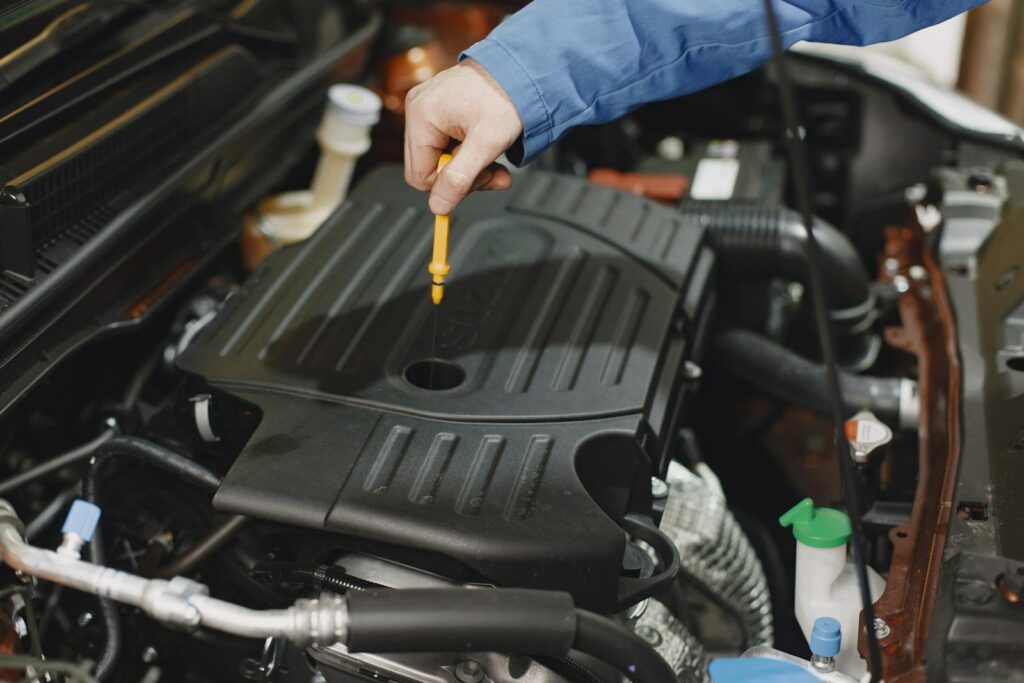
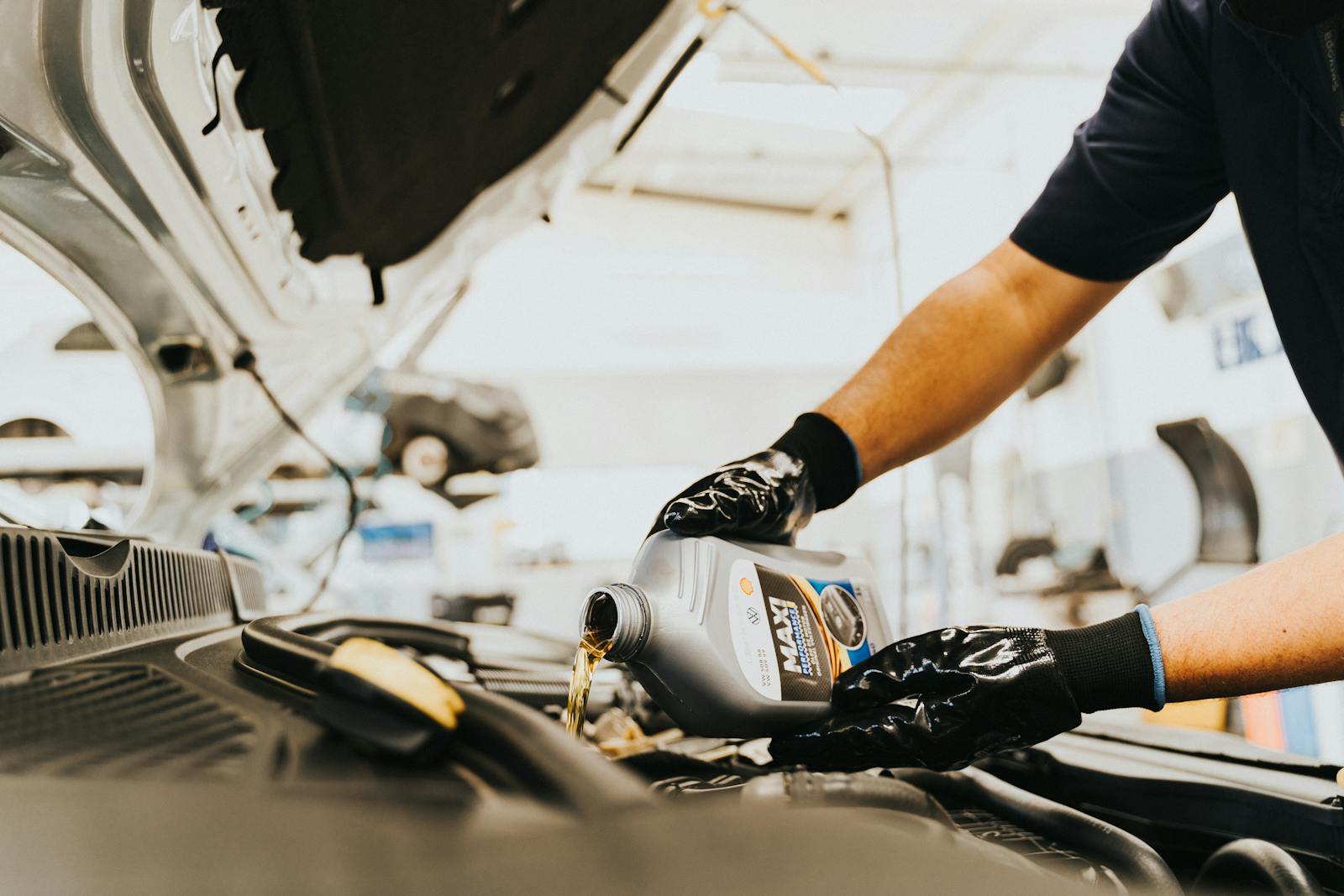
You can usually get the same oil and filter quality at an independent shop for far less than a dealership charges.
Dealerships often mark up labor and add services you don’t need, so ask for a written list of what they’ll do and decline extras.
If you enjoy DIY, changing your oil is straightforward with the right tools and a service manual.
If you prefer a pro, find a trusted local mechanic and compare prices — many independents match OEM parts without the dealer premium.
Replacing air filters
You can replace your engine and cabin air filters in minutes with basic tools and a new filter.
Parts cost $10–$50, so you’ll save a lot versus dealer labor and markup.
A clean filter improves airflow, fuel efficiency, and cabin air quality.
Check your owner’s manual for intervals—driving in dust means change sooner.
Follow simple steps: locate the housing, remove the old filter, fit the new one, and reseal the cover.
If you prefer visual help, AutoZone’s step-by-step guide shows the process.
Brake pad replacement
You can save a lot by replacing brake pads outside a dealership; parts and labor at independents usually cost far less.
Brake pads wear predictably, so you won’t need dealer diagnostics—just the right pads and basic tools.
If you’re comfortable, a DIY job is straightforward; otherwise, an independent shop offers quality work without the dealership markup.
Check pad material and warranty, and always inspect rotors and calipers while you’re at it.
Battery replacement
You can usually save money by replacing your battery at a local shop or big-box auto store instead of a dealership.
Technicians at independent shops often use the same OEM or high-quality aftermarket batteries and charge far less for labor.
Bring your car’s make, model, and build year so the shop picks the correct battery and programming, if needed.
Ask about warranty length and prorated coverage before you pay.
Check the battery tray and terminals for corrosion while it’s out; cleaning or securing connections prevents repeat failures.
Tire rotations
You should rotate tires every 5,000–8,000 miles to even out wear and extend tread life.
Independent shops and many retailers often include rotations free with tire purchase or charge far less than dealerships; check local offers.
Rotations also help maintain handling and fuel economy, and a quick inspection can spot bulges or uneven wear before they become dangerous.
Ask the shop to match the rotation pattern to your drivetrain and keep records for warranty compliance.
More from Steel Horse Rides: