
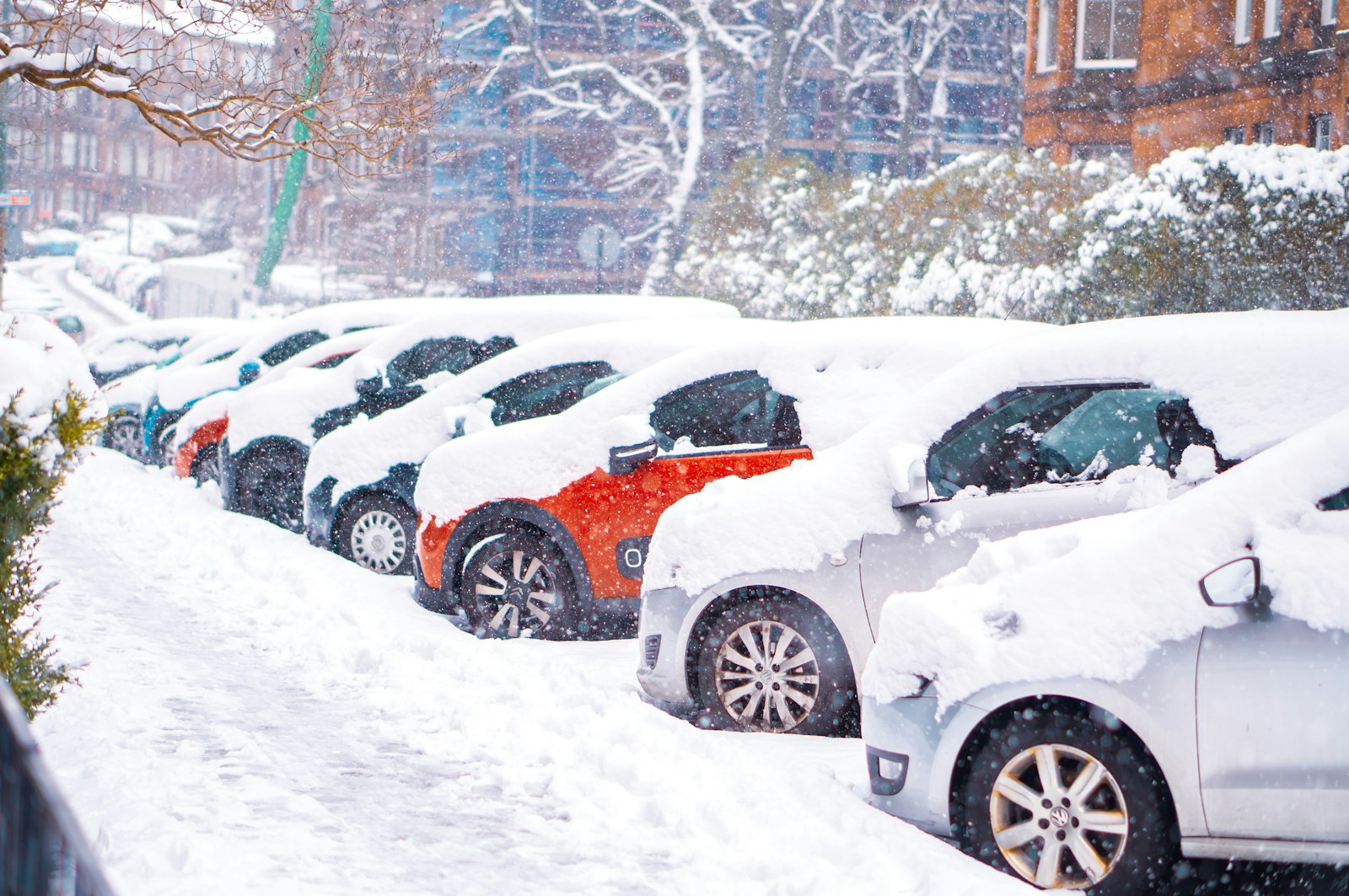

Winter weather strains every part of your car and can turn a simple drive into an expensive problem if you don’t prepare. You’ll save time, money, and stress by taking a few practical winter-proofing steps now to keep your vehicle reliable and safe all season.
This article walks you through easy, effective actions you can take—covering traction, visibility, battery health, fluid protection, and emergency readiness—so you feel confident handling cold snaps and icy roads.
Check tire pressure regularly to maintain traction on icy roads
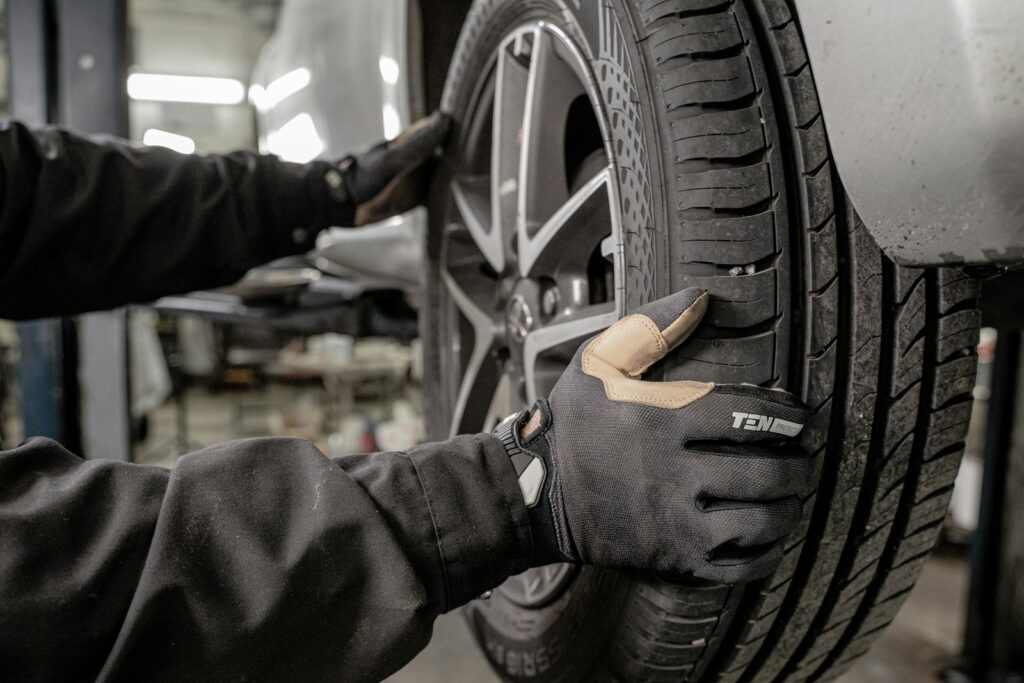
Cold air shrinks, so your tires can lose about 1 PSI for every 10°F drop; that can reduce grip when roads get slick. Check pressure weekly and before long trips, using the PSI on your door jamb as the target.
Underinflated tires wear unevenly and handle poorly on ice. Keep a reliable gauge and add air at a station or with a portable pump when needed.
Consider winter tires for better cold-weather performance and recheck pressure whenever temperatures shift significantly.
Switch to winter tires like Michelin X-Ice or Bridgestone Blizzak
You should fit true winter tires when temperatures regularly drop below 45°F; their rubber stays softer and grips ice better.
Choose Michelin X-Ice for directional tread and confident ice braking, or Bridgestone Blizzak for proven snow traction and bite.
Expect shorter stopping distances and improved control, especially on packed snow and black ice.
Have a shop mount and balance them, and store your all-seasons properly to extend tire life.
Use a high-quality liquid windshield washer fluid rated for freezing temps
Pick a washer fluid formulated for cold weather so it won’t freeze in the reservoir or on your windshield.
Cold-rated fluids contain alcohols and cleaners that melt frost and remove road grime without streaking.
Top all-season options also add de-icing power for sudden temperature drops.
Compare freezing-point ratings and cleaning strength, and replace diluted summer fluid before the first cold snap.
Consider ready-made brands tested for winter performance, not DIY mixes that can harm paint or rubber seals.
Keep your battery tested and replace it if it’s weak
Cold weather cuts battery capacity, so test it before temperatures drop. Use a multimeter or get a battery load test at a shop to see if it still holds charge.
Watch for slow cranks, dim headlights, or warning lights; these are common signs a battery is failing. If tests show low voltage or poor cold-cranking amps, replace the battery to avoid being stranded.
Apply a silicone-based lubricant to door and window seals to prevent freezing
Spray a silicone-based lubricant on clean, dry rubber seals to repel moisture and keep them flexible. Use a product made for automotive seals like WD-40 Silicone Spray for best results and follow the label directions (avoid petroleum-based products on some rubbers).
Wipe off excess with a cloth so the seal stays tack-free. Reapply every few months or before a big cold snap to reduce sticking and tearing.
Top off antifreeze/coolant with the correct 50/50 mix
Check your coolant level when the engine is cold and top off at the reservoir, not the radiator cap. Use a 50/50 mix of antifreeze and distilled water to keep freeze and boil-over protection balanced.
Avoid plain tap water; minerals can cause corrosion and scale. If you need guidance on topping off safely, see this practical guide on how to top off coolant Step by Step Guide on How To Top off Coolant.
Replace old wiper blades with winter-specific ones like Bosch ICON
Swap worn blades before the first storm; frozen, cracked rubber won’t clear your windshield. Winter-specific blades resist ice buildup and keep contact with the glass for safer visibility.
Choose a beam-style blade such as the Bosch ICON for better performance in snow and ice; learn installation steps in this Bosch ICON installation guide. Inspect rubber and replace annually or whenever streaking starts.
Keep your gas tank at least half full to avoid fuel line freeze
Keep your tank at or above half in cold weather to reduce empty space where condensation forms. Less air in the tank means less moisture that can collect and freeze in lines.
If moisture is already present, adding fuel dilutes any water and helps maintain steady fuel pressure. For extra protection, consider an alcohol-based fuel dryer before prolonged cold snaps (see tips on preventing fuel line freeze).
Use a battery-powered block heater in extreme cold regions
If you park where temperatures plunge, a battery-powered block heater can preheat your engine without shore power.
It helps reduce wear from cold starts and makes your first crank faster and gentler on the battery.
Choose a portable unit rated for your engine and cold-weather conditions, and follow manufacturer safety instructions.
Treat it as a backup when outlet access is limited or during power outages.
Keep an emergency kit including blankets, flashlight, and a shovel in your car
Pack a compact kit with warm blankets, a reliable flashlight, and a small snow shovel.
Add extra batteries, a basic first-aid kit, and nonperishable snacks to stay comfortable while you wait.
Store the kit where you can reach it from outside the car, like the trunk or cargo area.
Check and refresh items each season so batteries work and food hasn’t expired.
More from Steel Horse Rides: