

You want to know which electric vehicles actually last — and why improved battery reliability is changing how people choose an EV. Better battery reliability means fewer surprises, longer useful life, and more confidence that an EV will hold value and perform over years of normal use.
This article walks through the EVs that stand out because their batteries age more gracefully and require less intervention, so you can focus on ownership instead of frequent service. Expect clear comparisons across mainstream and newer models that explain what matters when battery health makes the difference.
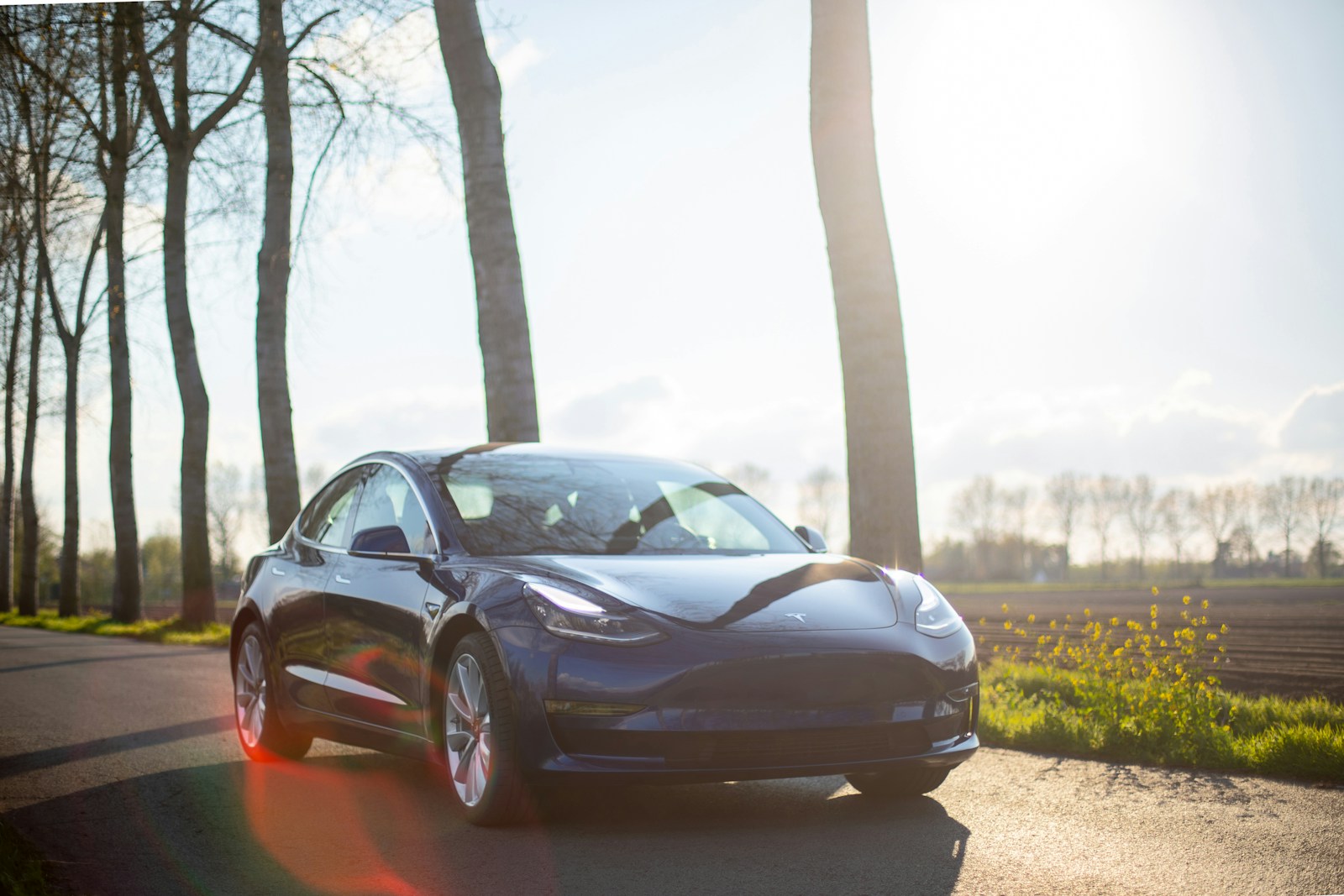
Tesla Model 3
The Model 3 often ranks high for battery durability, with many owners reporting slow degradation even after heavy use. Data and long-term tests show some examples retaining most of their original range after years of driving.
Tesla’s software and thermal management help preserve pack health, and recent updates increased capacity in newer Long Range versions. Independent reports and owner videos document cars with well over 100,000 miles on original batteries with modest range loss.
Hyundai Ioniq 5
The Ioniq 5 improved its battery chemistry and increased pack capacity for better range and faster charging. Reports note an 84 kWh option that pushes range toward 318 miles on some trims.
Owners have praised long-term durability, with examples showing minimal degradation over high mileage. Hyundai also addressed earlier low-voltage issues that caused immobilization in some 2023 models.
Read more about the model updates and battery changes on InsideEVs and Ars Technica.
Kia EV6
The EV6 has earned attention for strong real-world battery retention, often showing less capacity loss than many rivals. Recent analyses even place it near the top of longevity rankings, beating some high-profile competitors.
Owners cite effective thermal management and Kia’s battery software as contributors to steady performance over time. Independent reviews note fast charging and a robust warranty that reduce ownership risk.
One study specifically highlighted the EV6’s low degradation compared with other models, reinforcing its reputation for reliable battery health.
Chevrolet Bolt EV
The Bolt EV returned with a redesigned battery pack that emphasizes chemistry and packaging changes to reduce fire risk and cost.
GM moved the 2027 Bolt to an LFP-style approach and updated modules to simplify cooling and lower thermal stress, which improves long-term reliability and helps keep the price low.
Owners report fewer battery-related service visits compared with past recall years, and reviews note the new pack retains usable range for daily driving.
See coverage of the reboot and battery changes at Car and Driver for more technical detail: https://www.caranddriver.com/news/a69062646/2027-chevy-bolt-ev-reboot-interview-details/
Nissan Leaf
The third‑generation Nissan Leaf adds a liquid‑cooled battery pack and larger capacities, which improves thermal management and long‑term durability. Reviews note gains in range and day‑to‑day consistency that make it more competitive with other affordable EVs.
Its 75‑kWh option boosts real-world range, while Nissan keeps warranty protections that help buyers judge long‑term value. Readers can see detailed first drives and reviews for the redesigned Leaf at MotorTrend and Autoweek.
Ford Mustang Mach-E
The Mach‑E has shown strong battery longevity in real-world use, with high-mileage examples retaining most capacity after 250,000 miles. Ford’s liquid-cooled thermal management and over-the-air updates help preserve cell health and fix software issues.
Owners still watch software quirks and 12V system behavior, but routine charging habits and timely recalls keep reliability steady. Read more about the long‑run example and battery details in this 250,000‑mile Mach‑E report.
BMW i4
The i4 pairs BMW driving dynamics with an EV powertrain that shows steady battery performance. Early models debuted in 2021, and newer iterations improve range and thermal management.
Owners report few major issues in long-term tests, and BMW backs the pack with an 8-year/100,000-mile battery warranty. Recent reviews note that real-world range and comfort keep the i4 competitive in the premium EV segment.
Volkswagen ID.4
The ID.4 has seen steady battery improvements that reduce degradation and extend useful life. Owners report fewer charging and software hiccups than early models, though some complaints persist.
Volkswagen increased range and power for recent model years, improving day-to-day usability. Reviewers measured quicker 0–60 times on newer dual-motor versions, and software updates tightened charging behavior.
Reliability remains under observation, but the ID.4’s larger 82 kWh pack and ongoing fixes make it a stronger contender among mainstream EVs.
Rivian R1T
The R1T shows noticeable gains in battery architecture and weight savings, which help real-world efficiency and range. Rivian’s redesigned pack cuts complexity and sheds mass, improving drivability.
Owners still report issues like 12V failures and software quirks, so reliability isn’t perfect. Real-world data and Rivian’s warranty give buyers clearer expectations about degradation and repair coverage.
For details on the pack changes and efficiency improvements, see this review of the 2025 Rivian R1T and R1S.
Lucid Air
The Lucid Air has shown steady improvement in software and battery management after early reliability concerns. Owners and reviewers note frequent over-the-air updates that addressed range and efficiency issues, boosting real-world performance.
Some reports still highlight glitches and mechanical problems, but newer model years and software patches have narrowed those gaps. Lucid’s focus on efficiency keeps the Air notable for long-range capability and strong miles-per-kWh numbers (see a detailed owner review).