

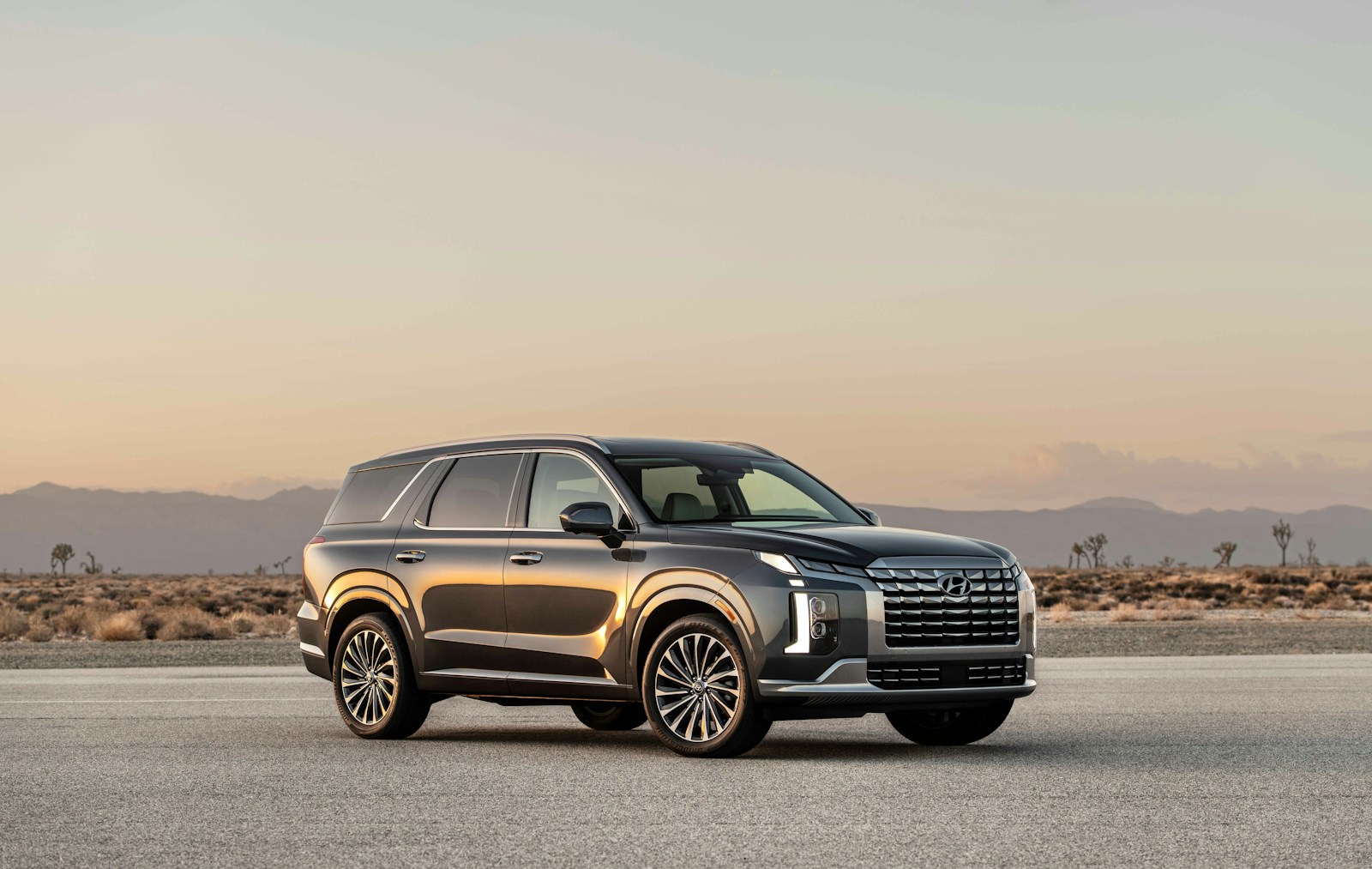
The SUV market, long regarded as a robust segment of the automotive industry, is showing signs of a significant downturn as sales decline and inventory levels rise, impacting manufacturers and consumers alike. According to recent data from J.D. Power, sales in the SUV category dropped by 12% in the third quarter of 2023 compared to the same period last year. This shift could indicate a broader trend that may change the landscape of vehicle preferences in the coming months.
Sales Decline and Inventory Surplus
The decline in SUV sales is evident across various models and manufacturers. Notably, the Ford Explorer and the Chevrolet Equinox, two popular options, have seen sales drop by 15% and 10%, respectively, in the last quarter. Manufacturers are now faced with increased inventory levels, which have risen by over 25% compared to the previous year, leading to concerns about potential price cuts and incentives to move vehicles off dealership lots.
This inventory surplus is not just a problem for manufacturers; it also affects consumers. With more vehicles available, dealerships may offer greater discounts and financing options. However, the existing economic climate, characterized by high inflation and rising interest rates, complicates matters. Many potential buyers are hesitant to make large purchases, fearing economic instability.
The Impact of Rising Fuel Prices
Fuel prices have also played a significant role in the changing dynamics of the SUV market. Currently, the national average price for a gallon of regular gasoline is around $4.00, which is a 15% increase compared to last year. As consumers become more cost-conscious, many are reconsidering their preference for larger, fuel-inefficient SUVs in favor of smaller, more economical vehicles.
This shift is echoed in the sales data for compact cars and hybrids, which have seen an uptick in demand. For instance, the Toyota Corolla and Honda Civic have both reported increased sales figures, as buyers look for ways to mitigate their fuel expenses. This trend may signal a fundamental change in consumer preferences as economic pressures mount.
Automakers Adjust Strategies
In response to the changing market conditions, automakers are reevaluating their strategies. Ford recently announced plans to reduce production of its SUV lineup, including models like the 2023 Ford Escape. Instead, the company aims to focus on electric vehicles (EVs) and hybrid models, which are gaining traction among environmentally conscious consumers.
<pSimilarly, General Motors has indicated a shift in its production focus, prioritizing smaller vehicles and EVs over traditional SUVs. This pivot is not merely a reaction to current sales figures but part of a larger strategy to align with the growing demand for sustainable transportation options in a market grappling with climate change concerns.
Changing Consumer Preferences
The decline in SUV sales may also be attributed to changing consumer preferences among younger buyers. A recent survey conducted by Deloitte found that 63% of millennials would prefer to buy a smaller vehicle or an EV over a traditional SUV, citing factors like environmental impact and cost of ownership. As this demographic gains purchasing power, automakers will need to adapt to their preferences or risk losing market share.
Moreover, as urban areas become increasingly congested and environmental regulations tighten, the practicality of owning a large SUV may diminish. This shift in consumer values is prompting many manufacturers to rethink their product lines and marketing strategies to appeal to a more environmentally conscious audience.
Future Outlook for the SUV Market
While it’s too early to predict the long-term implications of the current downturn, analysts suggest that the SUV market may not fully recover to its previous heights. The combination of rising fuel prices, economic uncertainty, and shifting consumer preferences indicates a potential recalibration of the automotive landscape. For instance, the SUV segment, which accounted for nearly 50% of all vehicle sales in 2022, may see that figure decline as buyers gravitate towards more efficient models.
Additionally, the ongoing semiconductor shortage continues to impact production timelines and inventory levels. Automakers are still struggling to meet demand across various vehicle categories, further complicating the market dynamics. As manufacturers adjust their offerings to accommodate changing consumer preferences, the future of the SUV segment remains uncertain.
What This Means for Consumers
For consumers, the current state of the SUV market presents both challenges and opportunities. Those in the market for a new vehicle may find favorable prices and incentives as dealerships seek to reduce excess inventory. However, potential buyers should remain cautious and consider factors such as fuel efficiency and long-term ownership costs.
As the automotive landscape evolves, staying informed about market trends and shifts in consumer preferences will be essential.