
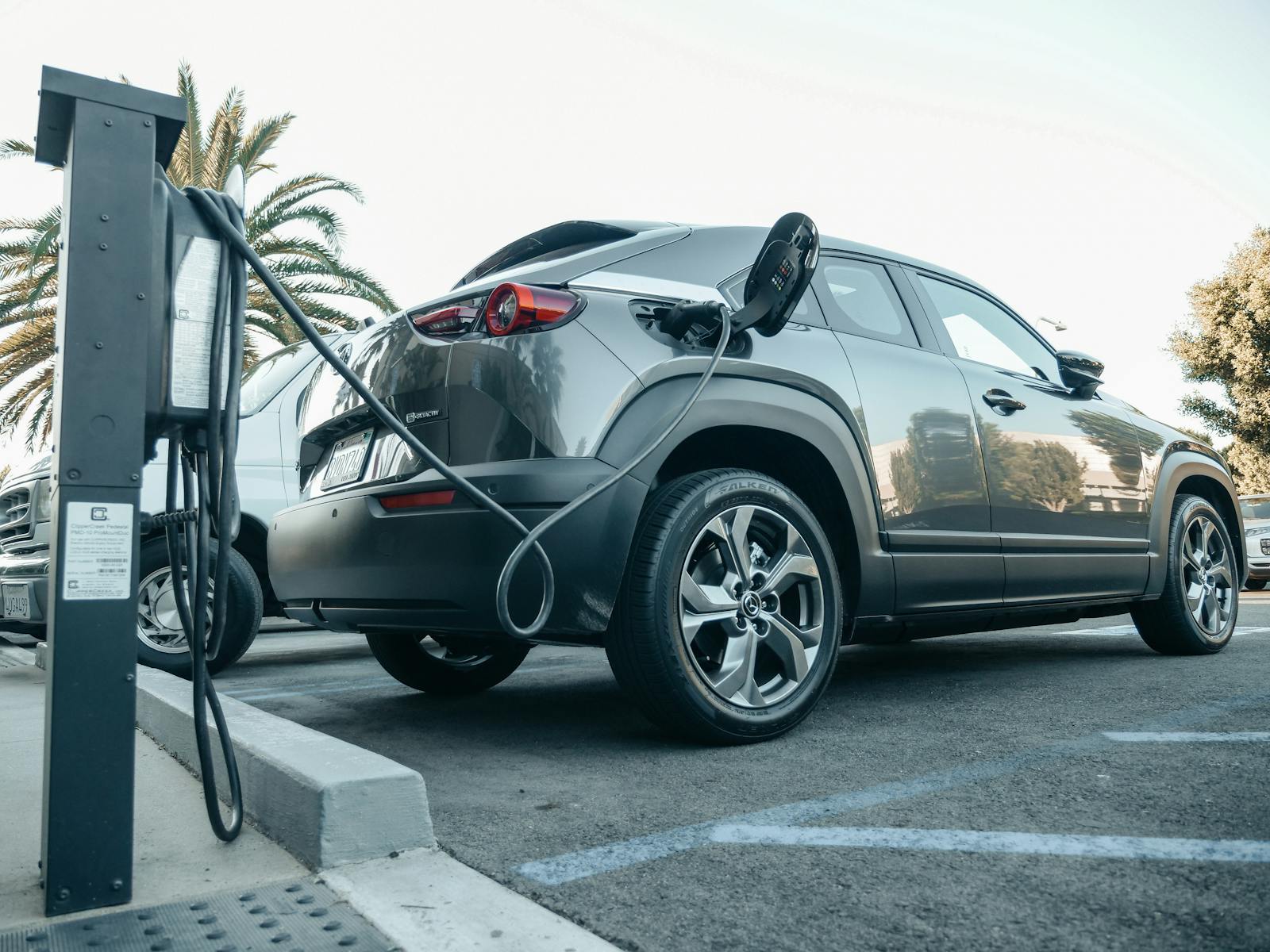

Federal regulators are telling owners of certain Jeep Wrangler 4xe and Grand Cherokee 4xe plug-in hybrids to stop charging their vehicles immediately and park them outdoors, away from homes and garages. The reason: a defect in the high-voltage battery system that can cause a fire whether the SUV is running, idling, or completely shut off.
Chrysler, a subsidiary of Stellantis, is recalling 320,065 plug-in hybrid Jeeps sold in the United States. The affected models span the 2020–2025 Wrangler 4xe and the 2022–2026 Grand Cherokee 4xe, according to the National Highway Traffic Safety Administration’s recall notice. As of spring 2026, Stellantis has not announced a completed fix for all affected vehicles, leaving hundreds of thousands of owners in a difficult holding pattern.
Why this recall is unusually severe
Most vehicle recalls allow owners to keep driving while they wait for a repair appointment. This one does not. NHTSA has issued a formal “park outside” alert, a designation the agency reserves for defects that pose a fire risk to nearby structures. The agency’s guidance is specific: do not charge the vehicle, keep the battery in a depleted state, and park well away from buildings until a dealer has completed the recall repair.
The urgency stems from the nature of the failure. According to NHTSA’s recall documentation, certain high-voltage battery packs can experience internal cell failure that leads to thermal runaway, a chain reaction in which one failing cell overheats neighboring cells, potentially igniting the flammable electrolyte inside the pack. A fully charged battery carries a significantly higher risk of this kind of event than a depleted one, which is why regulators are telling owners to stop plugging in entirely.
NHTSA has logged at least 19 complaints and one reported injury connected to the defect. Fires have occurred both while vehicles were parked and while they were being driven.
How to check if your Jeep is affected
Owners can verify their vehicle’s recall status in two ways:
- NHTSA’s VIN lookup tool: Enter your 17-digit vehicle identification number at nhtsa.gov/recalls to see all open recall campaigns for your vehicle.
- Stellantis/Mopar recall portal: The manufacturer’s own tool at recalls.mopar.com will show whether a remedy is available at your local dealership.
Stellantis has said it will notify affected owners by mail, but given the volume of vehicles involved, owners should not wait for a letter before checking.
What the repair involves and when to expect it
Stellantis has outlined a remedy that includes dealer inspection of the high-voltage battery pack and, where necessary, replacement of defective components. However, as legal analysts tracking the recall have noted, the company has not committed to a firm timeline for when parts will be available for every affected vehicle. That leaves owners of roughly 320,000 SUVs without a clear end date.
For context, a comparable situation played out with the Chevrolet Bolt EV recall in 2021–2022, when General Motors asked owners of about 142,000 vehicles to park outside and limit charging. That recall took more than a year to fully resolve, with GM eventually replacing every battery pack. Whether Stellantis will need to take a similarly sweeping approach remains unclear.
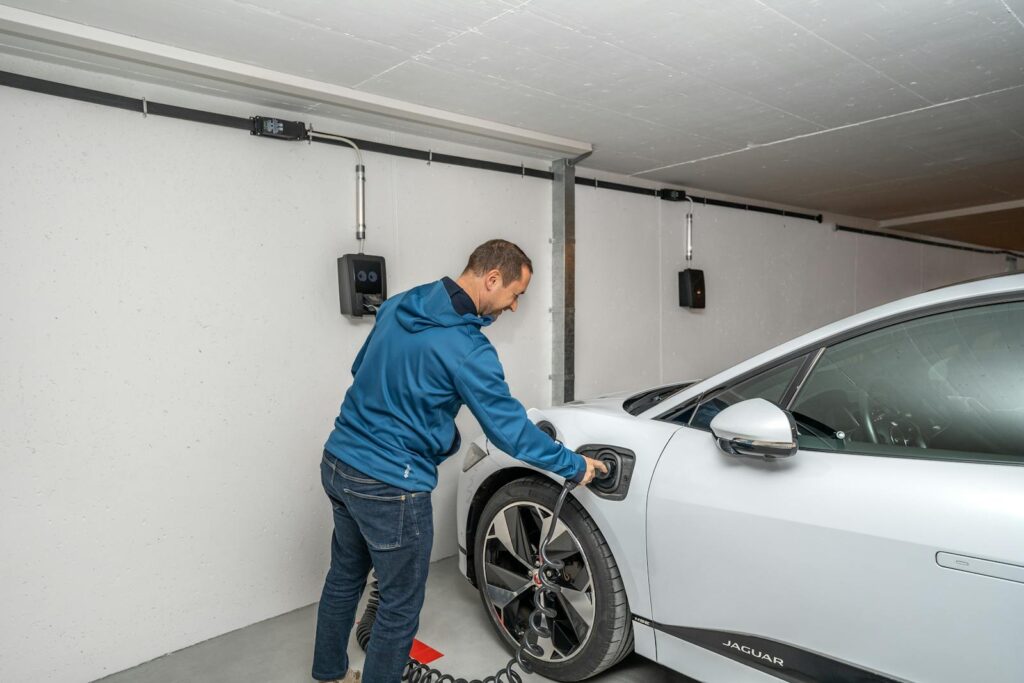
Owners who lack outdoor parking, such as apartment residents with underground garages, face an especially difficult situation. Stellantis has not publicly announced a loaner or rental vehicle program for affected owners, though some dealerships may offer accommodations on a case-by-case basis. Owners in this position should contact their dealer and document all communications, which could matter if they later pursue a claim.
What this means for plug-in hybrid confidence
The Wrangler 4xe was one of the best-selling plug-in hybrids in the U.S. market, and Stellantis positioned it as proof that electrification could work even in a rugged, off-road-oriented vehicle. A fire recall of this scale complicates that pitch at a moment when the industry is leaning harder into hybrids as a bridge between gasoline and fully electric powertrains.
It also raises a practical question for buyers: how thoroughly are high-voltage battery systems being validated before they reach driveways? Plug-in hybrids add complexity by pairing a combustion engine with a lithium-ion battery pack, and the Jeep recall suggests that the integration of these systems still carries risks that some consumers may not have anticipated when they signed their lease or loan paperwork.
None of this means plug-in hybrids are inherently dangerous. Battery fires remain statistically rare compared to gasoline vehicle fires. But for the 320,000 households directly affected, statistics offer little comfort when the instruction is to keep your family’s SUV away from your house.
Steps owners should take now
- Stop charging immediately. Unplug your home charging cable and do not use public chargers.
- Park outdoors, at least 50 feet from any structure if possible.
- Check your VIN at nhtsa.gov/recalls or recalls.mopar.com.
- Contact your dealer to ask about repair availability and whether loaner vehicles are being offered.
- Watch for warning signs: unusual smells, smoke, dashboard alerts, or unexpected loss of power. If any occur, pull over safely, move away from the vehicle, and call 911.
- Document everything. Keep records of dealer visits, communications with Stellantis, and any expenses incurred because of the recall. These records may be relevant if you file an insurance claim or pursue legal remedies.
More from Wilder Media Group: