
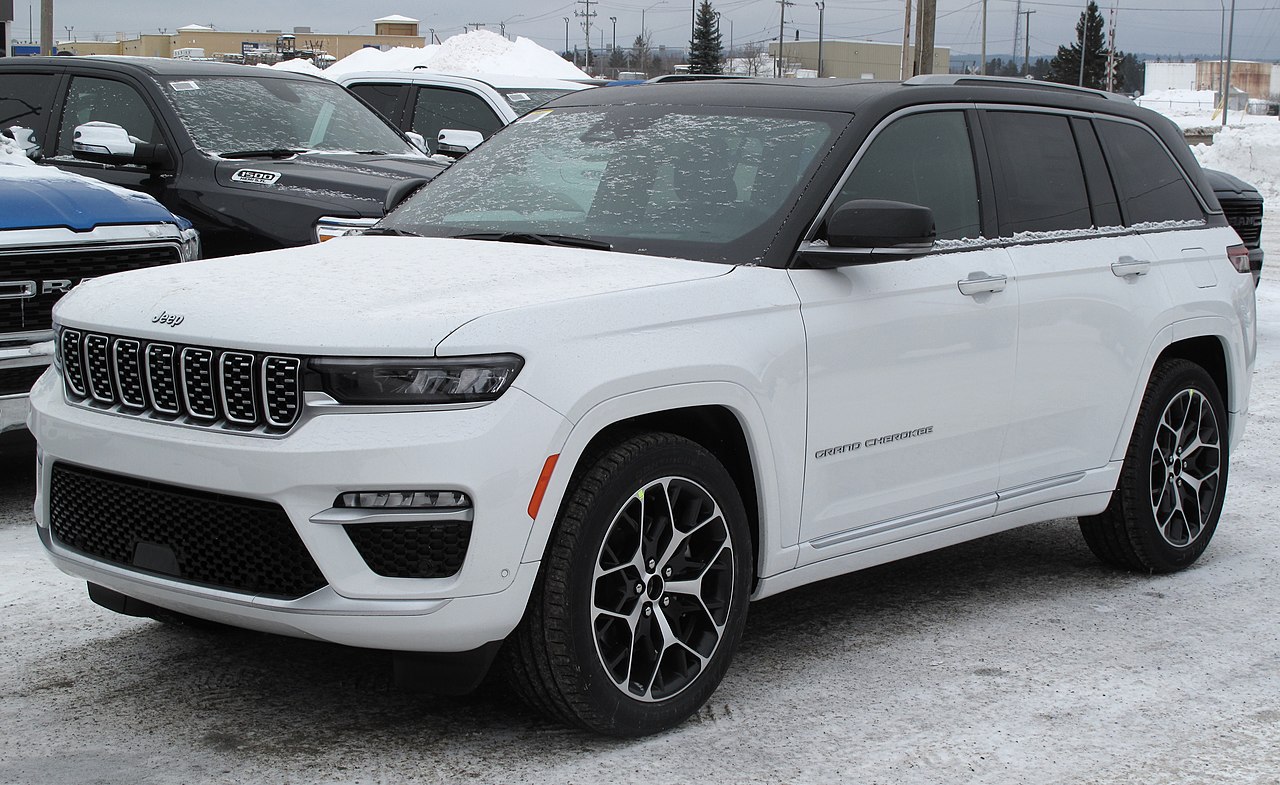

Jeep’s plug-in hybrid SUVs, once promoted as the adventurous bridge between gas and electric driving, are now at the center of an urgent safety scare. After a major recall tied to potential battery fires, many Jeep Wrangler and Grand Cherokee 4xe owners have been told not to charge their vehicles and to park them outside, turning a promised convenience into a daily risk calculation. The fire concerns have triggered a federal “park outside” warning, a sweeping recall of hundreds of thousands of vehicles, and a wave of legal and consumer fallout that reaches far beyond one brand.
The core message is stark: some owners of these plug-in hybrids are being asked to stop using one of the vehicle’s headline features, the ability to plug in, until a permanent fix is ready. That directive has raised hard questions about how automakers and regulators manage emerging EV and PHEV technology when safety defects surface, and how much disruption drivers are expected to shoulder while engineers work on a remedy.
What the Jeep recall actually covers
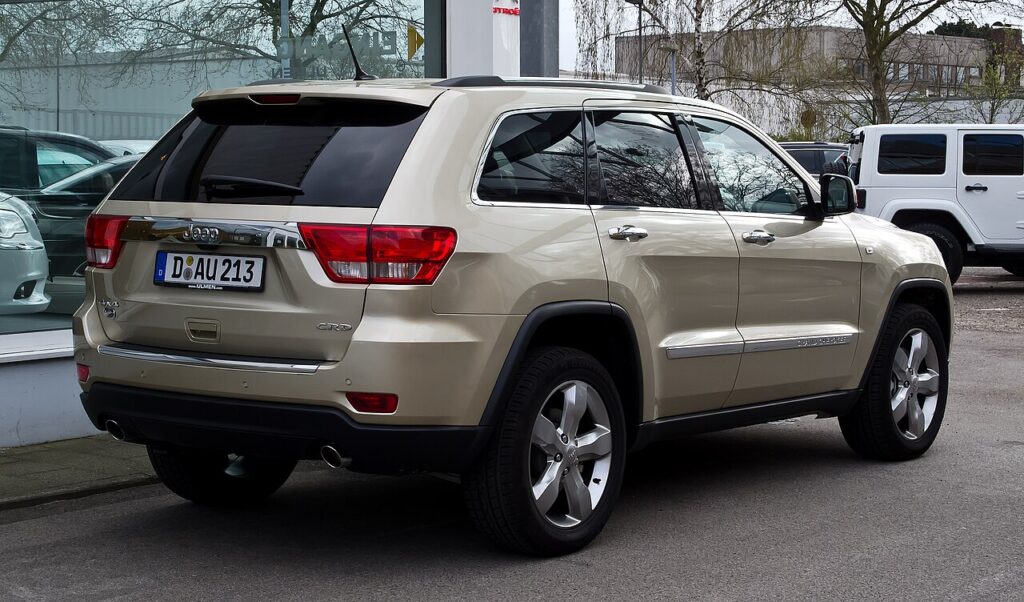
The current crisis centers on a “park outside” recall for Jeep’s plug-in hybrids, triggered by concerns that certain high-voltage batteries could catch fire whether the vehicle is parked or being driven. Federal regulators issued a Consumer Alert explicitly describing an “Important Expanded Jeep Grand Cherokee and Jeep Wrangler PHEVs ‘Park Outside’ Recall for Fire Risk,” warning that owners should keep affected vehicles away from structures because of the chance of a battery or engine compartment fire. The alert covers Jeep Wrangler and Jeep Grand Cherokee 4xe plug-in hybrid models, turning a niche technical defect into a mainstream safety concern.
According to recall filings, Chrysler has issued a new campaign covering 320,065 m model year 2020 to 2025 Jeep Wrangler plug-in hybrid electric vehicles and related Grand Cherokee 4xe SUVs because of the risk that the high-voltage battery pack could ignite. Separate consumer reporting describes Jeep recalling over 320,000 plug-in hybrid SUVs, with owners told to park outside and avoid charging until further notice. Another analysis of the campaign notes that More than 320,000 Wrangler and Grand Cherokee 4xe vehicles in the United States alone could be at risk of catching fire, underscoring the scale of the problem.
Why owners are being told not to charge
The most disruptive instruction for drivers is not just to park outside, but to stop plugging in altogether. In detailed owner guidance, safety advocates advise that “If You Own” a 2020 to 2026 4xe Hybrid, the first steps are to “Unplug your vehicle if currently charging” and “Do not charge at home or public charging stations,” because the high-voltage battery problem can lead to a thermal event and an engine compartment fire. That advice appears in a step-by-step recall guide that frames the current campaign as an “ACTIVE RECALL – DO NOT CHARGE,” and links the risk directly to the battery pack in these plug-in models.
Jeep-specific coverage echoes this urgency, noting that “Owners Urged” to respond to the recall are being told to “Park Outdoors and Suspend Charging Until Fix Arrives,” especially for models like the 2023 Jeep Grand Cherokee Trailhawk 4xe and 2023 Jeep Wr plug-in variants that rely heavily on their electric drive systems. The federal alert reinforces this, with a separate Consumer Alert explaining that the “Important Expanded Jeep Grand Cherokee and Jeep Wrangler” recall also applies to some vehicles that previously received remedy software, which may not have fully eliminated the fire risk. For owners, the message is that even a previously “fixed” vehicle might need to be treated as a potential fire source until the latest remedy is installed.
How Stellantis and regulators are responding
Behind Jeep’s badges sits Stellantis, the global automaker that controls the Jeep and Chrysler brands and now finds itself under intense scrutiny. In recall documentation submitted to the National Highway Traffic Safety Administration, Stellantis acknowledged that certain Jeep plug-in hybrid batteries could fail internally and ignite, prompting the company to recall around 320,000 Jeeps and instruct drivers to “park outside” and avoid charging until they receive a remedy. A separate summary of the company’s communications notes that Stellantis told the National Highway Traffic it had reports of 19 fires and one injury linked to the issue, which helped drive the decision to expand the recall.
Regulators, for their part, have tried to make recall information more accessible as the number of affected vehicles climbs. The agency’s main recall portal allows owners to search their vehicle identification number for open campaigns and provides direct access to the Jeep Wrangler and Grand Cherokee 4xe recall notices through the general recalls database. The original “park outside” press release on Jeep plug-in hybrids, which carries the formal label “Consumer Alert: Important Expanded Jeep Grand Cherokee and Jeep Wrangler PHEVs ‘Park Outside’ Recall for Fire Risk,” is prominently displayed on the agency’s site, reflecting how seriously federal officials view the potential for fire. Taken together, these steps show a coordinated effort between Stellantis and regulators to contain the risk, even as the technical fix remains a work in progress.
Owner backlash, lawsuits and the cost of living with a parked EV
For owners who bought a 4xe specifically to drive on electricity, being told not to charge has felt like losing the core value of the vehicle. Legal filings describe how Jeep Wrangler and Jeep Grand Cherokee 4xe drivers are stuck with plug-in hybrids that must be treated like conventional gas SUVs, while still carrying the cost and complexity of high-voltage hardware. A new class action complaint alleges that Jeep Wrangler 4XE and Grand Cherokee vehicles have a battery defect that creates a fire risk and that Jeep has failed to provide an effective remedy, turning what was marketed as advanced technology into a long-running safety hazard. The Jeep class action lawsuit overview argues that the recall and the “do not charge” instructions have slashed the vehicles’ usefulness and resale value.
Separate reporting describes how Stellantis is now facing broader litigation pressure, with one analysis bluntly titled “Stellantis Sued After Jeep 4xe Owners Told Not to Charge Their SUVs,” highlighting that owners were instructed to stop charging near the end of 2025 as the company “pulled the plug” on 4xe plug-in capability while it worked through multiple safety campaigns. That same account notes that the 2024 recall related to these vehicles involved a different defect tied to a sudden loss of power, suggesting a pattern of high-stakes safety problems on the same electrified platform. Consumer advocates argue that such repeated disruptions erode trust not only in Stellantis but in plug-in hybrids more broadly, especially when drivers are left paying for fuel in vehicles that were supposed to cut their gas bills.
What Jeep drivers should do right now
For anyone who owns a Jeep Wrangler and Jeep Grand Cherokee 4xe, the first priority is safety, not convenience. Legal and consumer guidance built around the “Jeep Recall: PHEV Battery Fire Risk Prompts Urgent Warning” message advises owners to park their vehicles outside, away from homes and other structures, and to stop using public or home charging until a dealer confirms that the latest recall remedy has been installed. One advisory focused on “Jeep Wrangler and Jeep Grand Cherokee” models emphasizes that the recall instructions may vary slightly by model year and urges drivers to check their specific vehicle’s status rather than assuming that a previous software update fully solved the problem.
More from Wilder Media Group: