
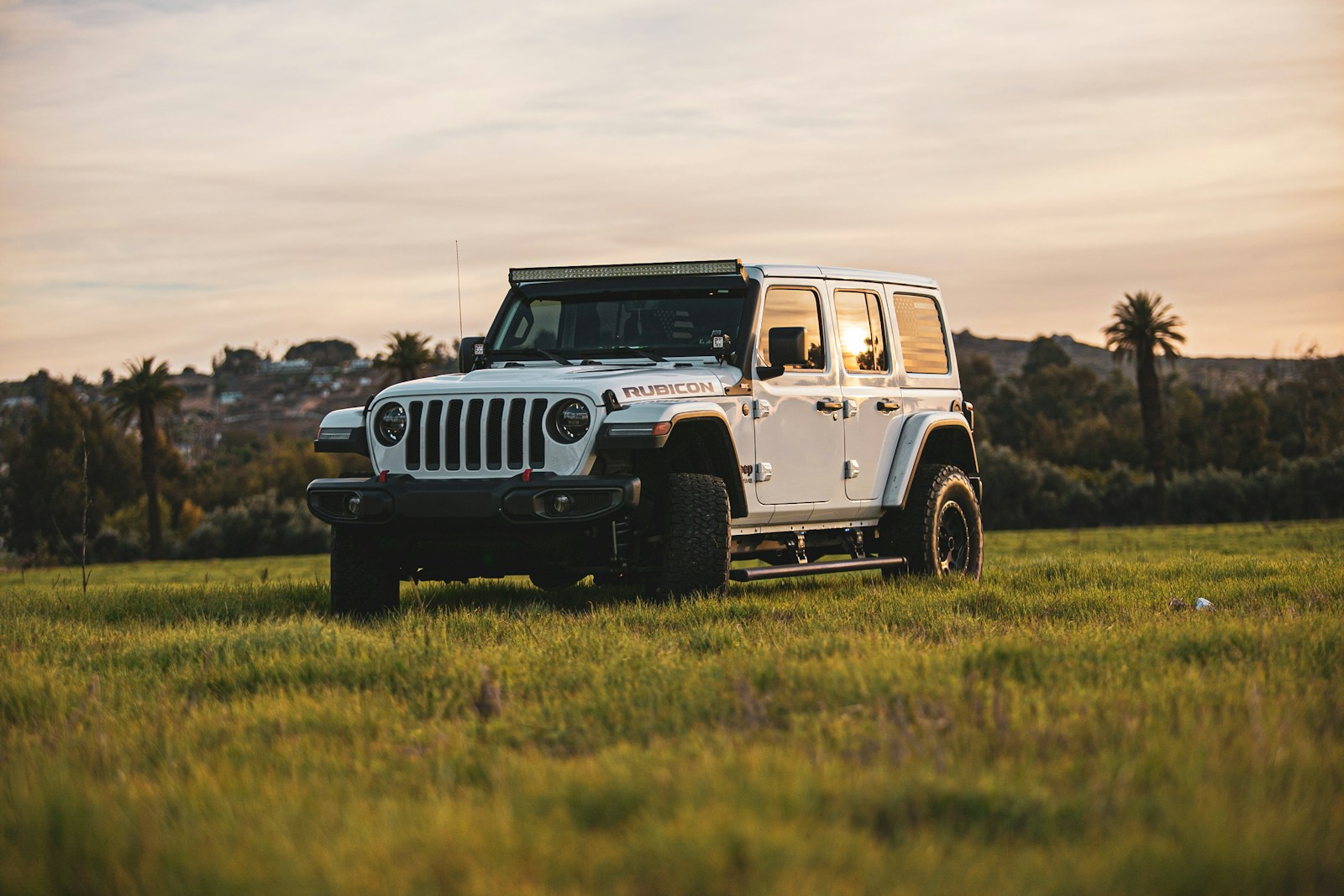

More than 320,000 Jeep Wrangler 4xe and Grand Cherokee 4xe plug-in hybrids in the United States are under recall for a battery defect that can cause fires, even when the vehicles are parked and turned off. The National Highway Traffic Safety Administration has told owners to stop charging their SUVs and park them outdoors, away from homes and garages, until repairs are completed.
The recall, tracked internally as campaign 68C, covers 2021 through 2025 Wrangler 4xe models and 2022 through 2025 Grand Cherokee 4xe models. Globally, Stellantis has acknowledged that roughly 375,000 vehicles are affected when international markets are included.
For owners who bought these SUVs specifically for their electric driving range and fuel savings, the instructions amount to a forced downgrade: run on gasoline only, skip the charger, and wait.
What is wrong with the batteries
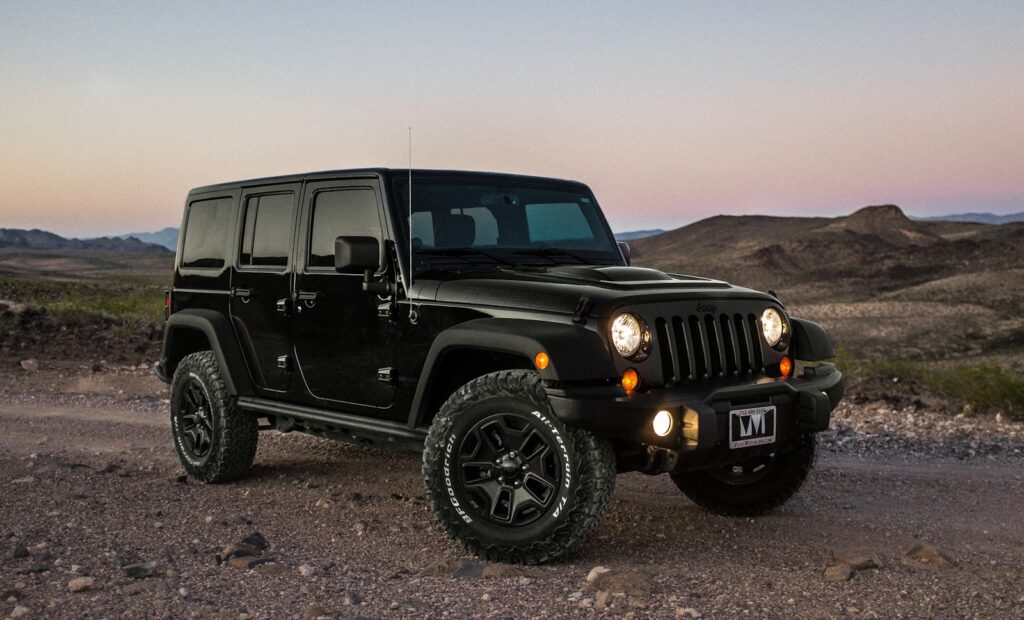
According to NHTSA’s safety alert, some high-voltage battery packs in these vehicles contain lithium-ion cells with damaged internal separators. A separator is a thin barrier inside each cell that keeps the positive and negative electrodes apart. When that barrier is compromised, the cell can short-circuit internally, overheat, and ignite.
The risk is highest when the battery is being charged or sitting at a high state of charge, which is why NHTSA’s guidance specifically tells owners not to plug in. But the agency also warned that fires have occurred in parked, powered-off vehicles, making the “park outside” instruction more than a precaution.
Critically, NHTSA expanded the recall to include vehicles that had already received an earlier software update meant to address the issue. That expansion signaled that the first round of fixes did not eliminate the fire risk, a point that deepened frustration among owners who thought the problem was behind them.
How to check if your Jeep is affected
Owners can verify recall status two ways. Jeep’s own portal at Mopar.com allows a VIN search that shows open campaigns and available remedies. NHTSA runs a parallel recall lookup tool that pulls from federal records. Checking both is worth the few extra minutes.
If your vehicle is covered, the official guidance as of early 2026 is straightforward:
- Do not charge the high-voltage battery.
- Park outdoors, away from structures.
- Contact your Jeep dealer to schedule an inspection and, if available, the 68C remedy.
What the fix looks like
Stellantis has described the remedy as a combination of updated battery management software and, for some vehicles, physical replacement of battery components. According to Consumer Reports, the company initially promised that software and hardware fixes would roll out within weeks of the expanded recall announcement in late 2025.
By early 2026, some owners have reported receiving the repair. A thread in the r/4xe community on Reddit confirmed that the 68C remedy became available for 2022 through 2025 Grand Cherokee 4xe models, with at least one owner describing finally getting a rental car agreement and a scheduled repair after months of waiting.
But the rollout has been uneven. Wrangler 4xe owners have posted videos from dealer service bays showing repairs that stretch into full-day affairs, with some vehicles failing post-repair diagnostics and requiring additional work. One owner documented the process during a visit to Ray Cross Jeep Ram, capturing the stop-and-start reality of the recall experience.
Stop-sale order and legal fallout
The recall triggered a stop-sale order, meaning Jeep dealers cannot deliver new or unsold 4xe models covered by the campaign until the fix is installed. That order has frozen inventory on dealer lots and left some buyers in limbo.
Legal challenges have followed. A lawsuit filed by a Michigan family, reported by Mopar Insiders, alleges that Stellantis sold vehicles it knew or should have known carried a fire risk. A separate class-action suit, covered by AOL, argues that owners paid a premium for plug-in capability they can no longer safely use.
The legal arguments center on a common theme: buyers chose the 4xe specifically for its electric range, and the recall has stripped that feature away indefinitely. Plaintiffs in both cases are seeking compensation for diminished vehicle value and out-of-pocket costs like alternative transportation.
What owners should know about buybacks and compensation
In several states, lemon laws may apply if a recalled vehicle cannot be repaired within a reasonable number of attempts or a reasonable period of time. Consumer advocates have noted that the sheer scale of this recall, affecting over 320,000 vehicles, and the length of time some owners have gone without a fix could strengthen buyback or compensation claims.
Lemon law specifics vary by state, but owners who have been without the use of their vehicle’s plug-in functionality for an extended period should document every dealer visit, every communication with Stellantis, and every day the vehicle sits without a remedy. That paper trail matters if a claim moves forward.
Stellantis has offered rental vehicles to some owners while repairs are pending, though availability has been inconsistent based on owner reports in forums and social media.
The bigger picture for plug-in hybrids
The Jeep 4xe recall is one of the largest battery-related safety campaigns to hit the plug-in hybrid segment. While battery fires in electric and plug-in vehicles remain statistically rare compared to gasoline vehicle fires, high-profile recalls like this one shape public perception in ways that raw numbers do not.
For Jeep, the stakes go beyond this recall. The 4xe badge was central to the brand’s pitch that rugged, off-road-capable SUVs could also be part of an electrified future. That narrative is harder to sell when hundreds of thousands of those SUVs are sitting in driveways with their chargers unplugged.
Stellantis has not publicly commented on how the recall might affect future 4xe production or the timeline for next-generation plug-in models. For now, the company’s focus appears to be on getting the 68C remedy into as many vehicles as possible.
Owners with questions about the recall can reach NHTSA’s Vehicle Safety Hotline at 1-888-327-4236 or visit NHTSA.gov/recalls.
More from Wilder Media Group: