
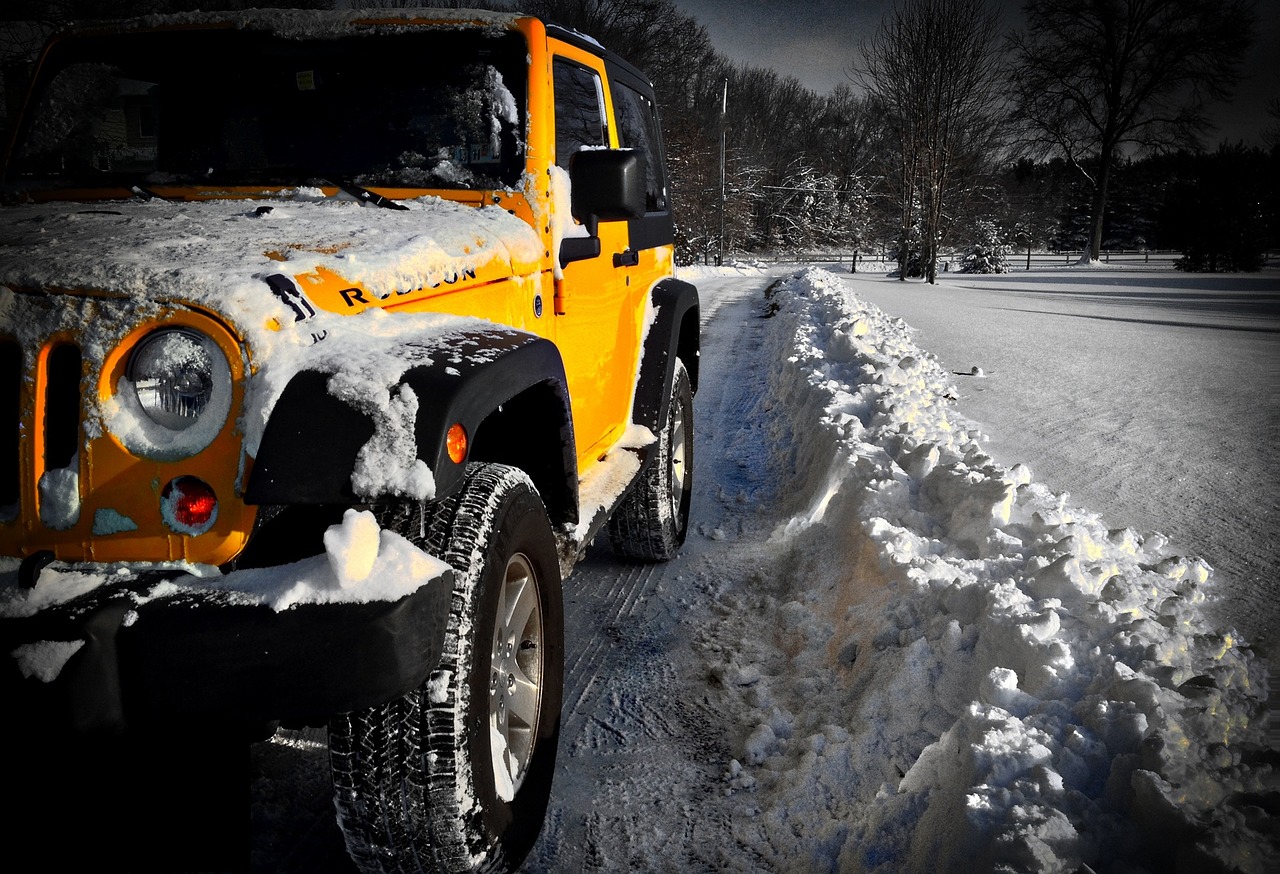

Jeep is trying to pull its most famous model back within reach of ordinary buyers after years of creeping sticker shock. The brand is betting that cheaper trims, simpler packaging, and aggressive cuts on halo versions will be enough to get more Wrangler keys into more driveways. Whether that gamble pays off will shape not just Jeep’s balance sheet, but the future of one of America’s most recognizable off-road nameplates.
The strategy reflects a broader reset inside Stellantis as executives concede that the Wrangler’s march upmarket has gone too far for a market now defined by high interest rates and payment fatigue. After watching prices climb faster than many shoppers’ paychecks, Jeep is now racing to prove that value and authenticity can coexist in a modern 4×4.
From price creep to price cuts
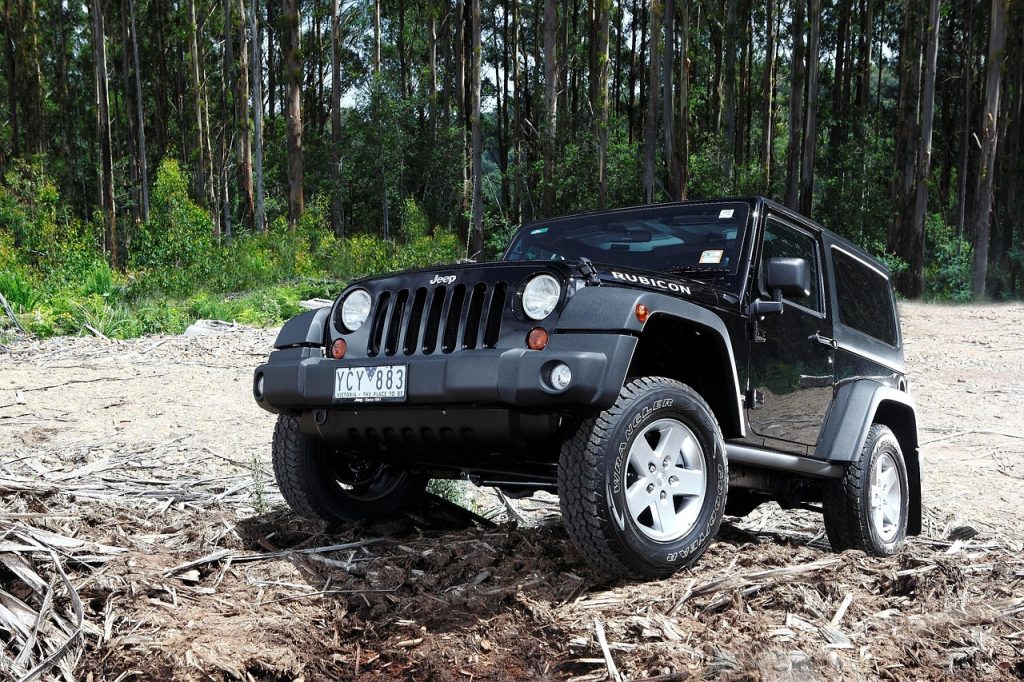
The Wrangler has been on sale for nearly 40 years, and in that time it has evolved from a relatively simple off-roader into a tech-laden lifestyle SUV. That evolution came with a steep bill: recent analysis of Jeep Wrangler Price shows transaction prices surging while volume plateaued, with Jeep selling 156,581 Wranglers in 2023 as affordability concerns mounted. Inside Stellantis, executives now acknowledge that the brand leaned too hard into luxury pricing just as borrowing costs spiked.
The parent company’s rethink became explicit when Stellantis concluded it had made a mistake by letting the Wrangler get too expensive and moved to cut prices to win customers back. That shift dovetails with a broader brand reset led by Jeep CEO Antonio, who has been blunt that “the brand is not where it should be in market share.” From AUBURN and HILLS to dealer lots nationwide, Jeep is now repositioning the Wrangler as a vehicle that still commands a premium, but not a penalty.
Cheaper Wranglers, simpler choices
The most visible sign of the new approach is a wave of direct price reductions. For 2025, Wrangler stickers are coming down after years of steady increases, a move that even prompted CEO of Jeep, to concede that pricing on some SUV models like the Grand Wagoneer, which reached $93,000, had “gone too far.” That admission underscores how far upmarket Jeep had drifted before the current correction. At the same time, Stellantis is trimming option complexity so buyers do not have to wade through dozens of packages just to get a reasonably equipped Wrangler.
Jeep is also reshaping its lineup to be easier to understand and, crucially, cheaper to build. Internal Key Takeaways for the 2026 model year highlight a push toward fewer configurations with more standard content, a strategy meant to cut manufacturing costs while still delivering the features buyers expect. That simplification is part of a broader effort by Jeep to break a sales slump, especially in competitive regions such as Los Angeles area Stellantis stores where the Wrangler faces intense pressure from crossovers and trucks that promise similar capability with lower monthly payments.
Halo discounts and the fight for relevance
Perhaps the clearest symbol of Jeep’s new pricing philosophy is what it is doing with the V-8 Wrangler. Enthusiasts who once saw the 392 as an unattainable toy are now being courted with a new Moab variant that makes a V-8 Jeep Wrangler $20,000 cheaper for 2026, thanks to Moab packaging that strips out some extras while preserving the core hardware. That move is aimed squarely at fans who, as one Nov comment put it, “love my 2017 jku rubicon but it’s getting tired and leaky,” and who see a chance to step into a 392 Rubicon if the price is right. By cutting the cost of its most aspirational Wrangler, Jeep is signaling that even its icons must now justify their premiums.
The pricing reset is unfolding alongside a broader product and brand overhaul. Analysts like Stephanie Brinley note that Jeep is “still trying to fix things, getting the pricing right, getting the product right,” as the company eyes a U.S. comeback after a difficult period for models such as the Wrangler and Grand Wagoneer, according to They. Internally, executives describe the current stretch as a critical year for the SUV brand, with new entries like the electric Wagoneer S and a refreshed Wrangler lineup expected to support a recovery in volume and margins, as detailed in Feb reporting.
Jeep’s leadership is also watching the used market closely, where Current wholesale values for Jeep Wrangler models show how sensitive buyers have become to monthly payment swings. Related analysis from Flying Wheels highlights how cutting the extras cost, rather than just the base price, can make or break a deal on the showroom floor. That logic is now baked into Jeep’s 2026 strategy, which leans on fewer, better equipped trims instead of long option lists that quietly push Wranglers into luxury territory.
Inside the company, there is a recognition that the brand’s identity is at stake. Internal updates from Jeep describe a push to reconnect with core buyers who value ruggedness and authenticity over leather and screens. At the same time, executives know they cannot simply roll back the clock, especially as electrified models like the Recon and Wagoneer S arrive. The challenge is to make those vehicles feel like real Jeeps while keeping them attainable, a balance that will determine whether the brand’s pricing pivot becomes a short term sales bump or a lasting reset.
For Stellantis, the Wrangler’s trajectory is a bellwether. If the combination of lower prices, simpler trims, and targeted halo discounts succeeds, it could become a template for other nameplates that drifted too far upscale in the cheap money era. If it fails, Jeep risks proving that once a vehicle has been repositioned as a luxury toy, it is hard to convince buyers it is a value play again, even with a Moab badge and a sharply reduced window sticker.
More from Wilder Media Group: