
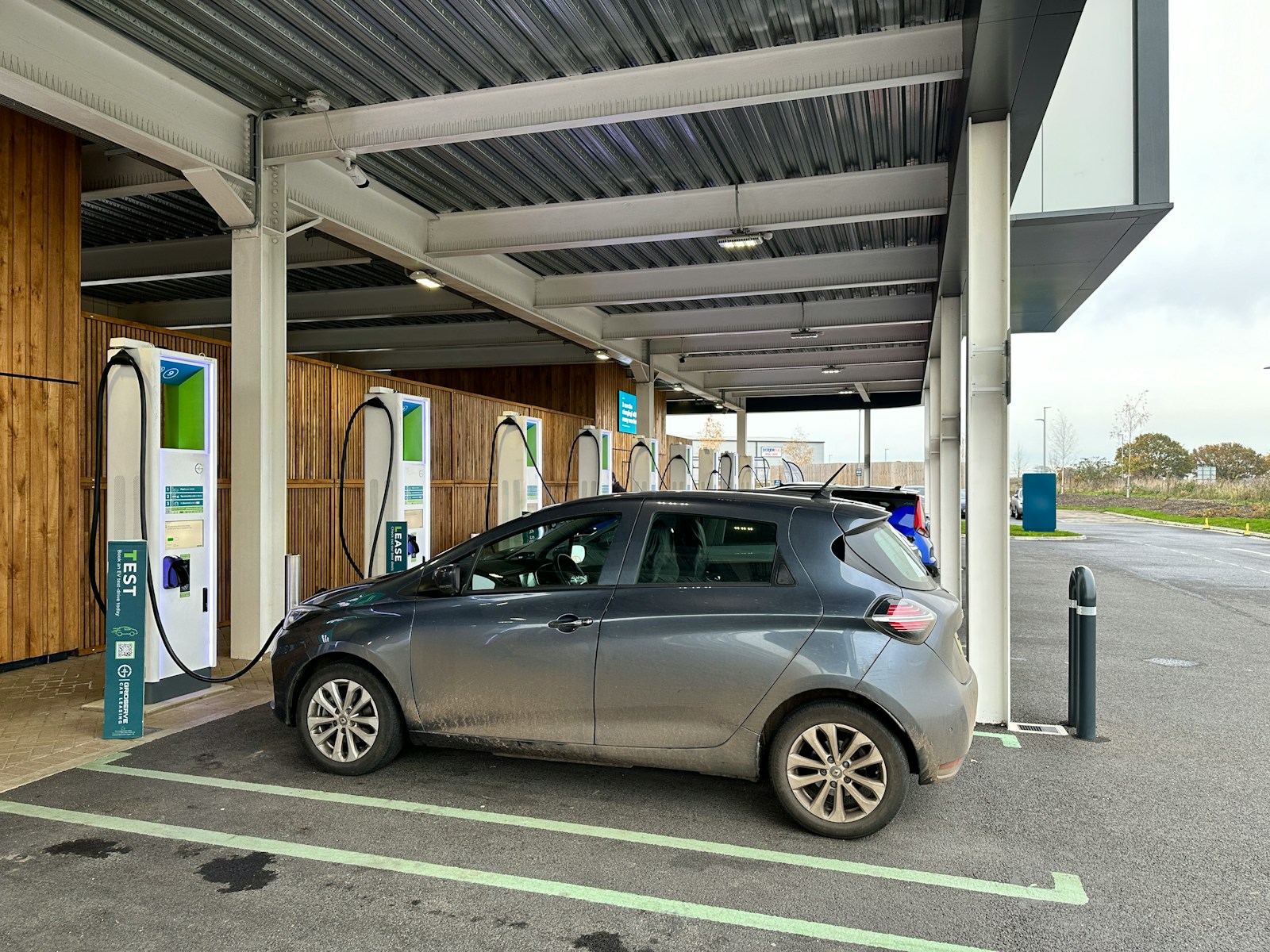

You’ll start seeing higher annual ownership costs as lawmakers push new road funding measures that target vehicle registration and electric vehicles. Many drivers face added fees — including proposed per-vehicle charges and higher EV-specific levies — that will increase what you pay each year for car ownership.
Expect both immediate changes and gradual shifts: some provisions raise registration costs now, while others phase in fees aimed at electric and hybrid vehicles to make up for lost gas-tax revenue. The article explains which measures affect which drivers and how communities may see road funding benefits alongside higher household transportation costs.
Key Road Funding Measures and Their Impact

More details
The cloverleaf interchange between US 131, M-6 and 68th Street in Cutlerville, Michigan, United States,
Lawmakers approved a mix of federal and state actions that shift more costs to owners through higher registration and new EV fees, while increasing formula and local grant funding for pavement and bridge work. Voter-approved local measures and recent congressional proposals together reshape how states collect revenue and prioritize projects.
Details of Approved Road Funding Legislation
The federal side includes expanded formula funding under the Bipartisan Infrastructure Law years, sending roughly $61–$62 billion annually in recent fiscal years to states for roads and bridges, with flexibility to target safety and bridge replacement. House-level proposals such as the BASICS-style provisions and elements from a pending house bill 2025 seek to direct more funds to cities and counties and prioritize locally owned deficient bridges.
At the state and local level, voters approved hundreds of ballot measures estimated to raise about $41.4 billion for transportation capital through bonds and levies, enabling immediate project starts. Programs like Oregon’s OReGO mileage-based system are also part of the toolkit states use to replace shrinking motor fuel tax revenue as EV adoption grows.
Breakdown of New Annual Vehicle Fees
Several states adopted or increased fixed EV and hybrid registration fees, with typical annual charges ranging from roughly $50 to $250 depending on the state. In addition, many jurisdictions raised traditional registration fees and added nominal administrative surcharges tied to transportation funding packages.
Some areas layered new per-vehicle special assessments for local road bonds; these appear as annual line items on property or vehicle registration bills. Where mileage-based programs like OReGO exist, drivers pay per-mile charges that vary by vehicle weight and fuel type, which can shift more cost to high-mileage drivers versus flat registration fees.
Expected Increases in Vehicle Ownership Expenses
Drivers should expect a combination of higher one-time registration renewals and recurring adds that increase annual ownership costs by tens to a few hundred dollars per vehicle, depending on vehicle type and state. Owners of battery-electric vehicles commonly face the highest added fixed fees now, which aim to recover road contributions previously provided by gasoline taxes.
Fuel taxes still fund most surface transportation revenue, but declining gas-tax yields per mile driven mean many states supplement with EV fees, increased registration, or mileage-based charges. High-mileage drivers and owners of heavier vehicles will likely see larger increases under mileage or weight-based programs. Local special assessments for bond repayments add variability by county or city.
Timeline and Implementation of Measures
Most voter-approved local measures use bonds that allow immediate capital outlays; states then layer project schedules over multi-year bond repayment timelines. Federal formula increases occur by fiscal year and flow to states after FHWA allocations are posted, with recent notices for FY2024–FY2025 funding levels already distributed to states.
New registration and EV fees typically roll out at the next renewal cycle after legislative or administrative adoption, often within 6–12 months. Mileage-based programs like OReGO operate on a registration-year basis once drivers enroll; scaling statewide adoption requires months of agency setup, pilot expansions, and rulemaking.
Wider Effects on Drivers and Communities
Drivers will see higher annual ownership costs through increased registration fees, new EV-specific charges, and shifts in fuel-tax burdens. Communities face trade-offs: more reliable maintenance funding but added costs for low-mileage and low-income households.
How Electric and Hybrid Vehicle Owners Are Affected
Many electric vehicle owners now pay new annual registration fees or per-kWh charging levies that aim to replace lost gas-tax revenue. States like Oregon have experimented with charging taxes on electricity and higher EV registration, which raises predictable revenue but increases ownership costs for people who drove to cut fuel bills.
Those charging-by-the-kilowatt rules can hit owners who charge frequently or lack home charging options. Rural EV drivers and owners of older hybrids—who use less gas but still drive long distances—may pay disproportionately more relative to miles traveled. Policymakers sometimes pair fees with rebates or low-income exemptions; the design details determine whether fees are equitable.
Implications for the Highway Trust Fund
Lawmakers and analysts warn that fuel tax declines strain the Highway Trust Fund and could force more General Fund transfers unless new revenue streams appear. The Federal Highway Administration data and CBO projections show the fund needs additional financing to avoid shortfalls before the next reauthorization.
Some congressional Republicans, including members of the House Transportation and Infrastructure Committee, have discussed federal EV fees or registration changes as stopgap measures. Bills under consideration vary: some propose flat EV fees, others a federal per-mile pilot. Design choices will affect how much revenue returns to state-level distributions and whether local roadway maintenance gets prioritized.
Perspectives from Lawmakers and Stakeholders
House Republicans have framed some proposals as restoring “user pays” principles; others argue increased fees are hidden tax hikes. Representative Sam Graves and committee colleagues emphasize predictable revenue for bridges and highways, yet some state lawmakers, like Oregon Republicans such as Christine Drazan, push back on fee growth that affects families and small businesses.
State officials — including transportation directors and legislators like Tina Kotek in states scaling investments — balance public service demands and political pressure. The Oregon Department of Transportation and groups such as the Oregon Trucking Association highlight operational impacts: trucks already face high regulatory fees, and incremental costs can ripple into freight rates and local prices.
Industry, Environmental, and Public Feedback
Industry groups warn that higher ownership costs can raise delivery and commuting expenses. Trucking associations argue that additional levies on fuel or road use add to already rising freight costs and could prompt shifts in shipping routes or logistics practices.
Environmental advocates accept targeted EV fees if revenues fund transit and decarbonization, stressing that fees should not disincentivize electrification. Public feedback remains mixed: many voters approve ballot measures for infrastructure spending, but support drops when measures are framed as recurring fees. Policymakers face trade-offs between maintaining roads and preserving incentives for cleaner vehicles.
More from Steel Horse Rides: