

After years of planning delays, budget battles, and pandemic-era ridership slumps, a cluster of urban rail projects across the United States is set to open or hit major milestones in 2026. From a subway extension beneath Los Angeles’ Wilshire Boulevard to a long-promised train line on Chicago’s South Side, the projects share a common pitch: give commuters a reason to leave the car at home.
Whether they deliver on that promise depends on execution. Here is where things stand, city by city, as of spring 2026.
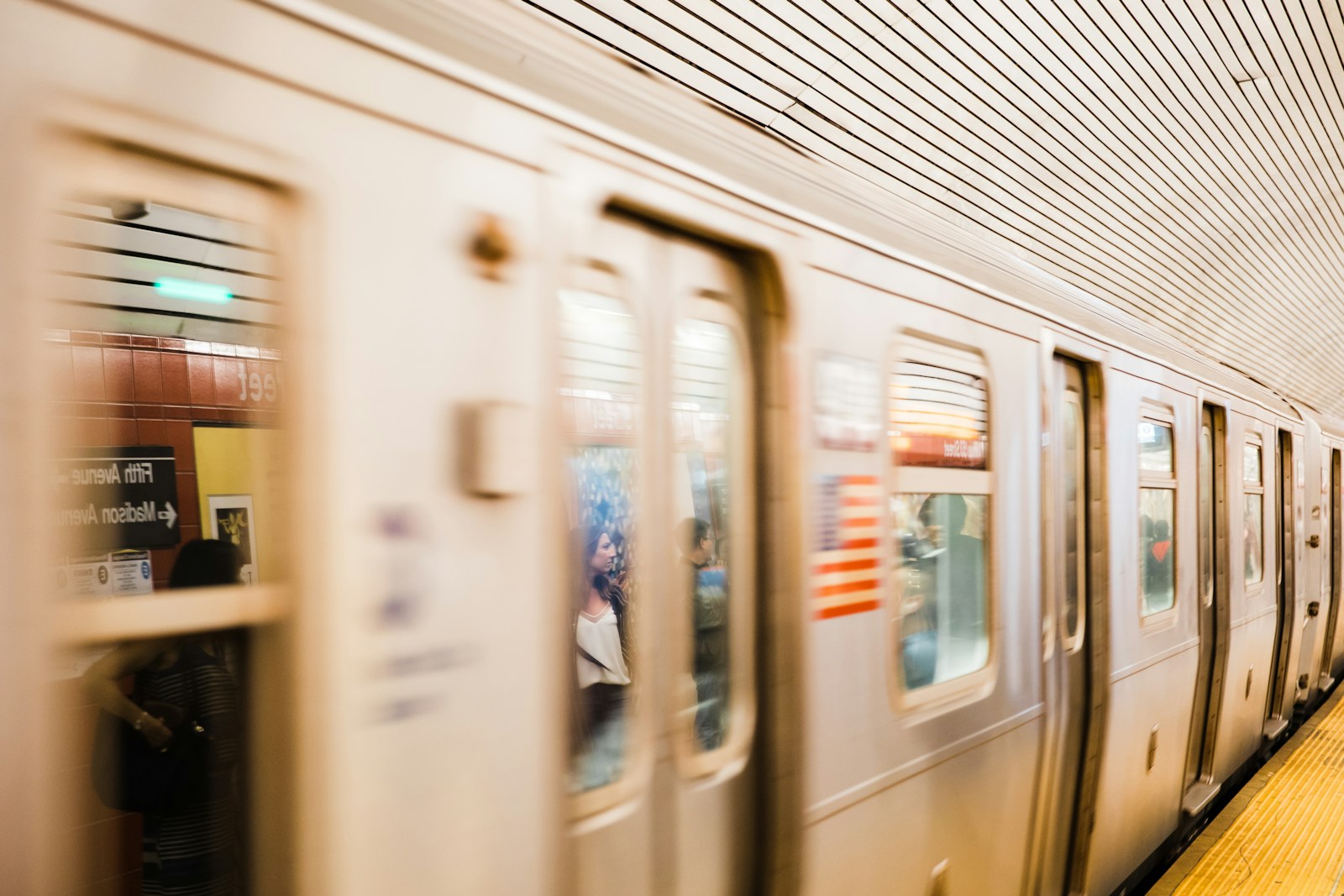
New York and New Jersey: PATH frequency boost and Northeast Corridor overhaul
The Port Authority of New York and New Jersey is rolling out its most significant PATH service expansion in years. Under a proposal announced in late 2025, every PATH line is slated for increased frequency. One early change, effective March 2026, doubles weekend service on the Journal Square to 33rd Street via Hoboken route between 10 a.m. and 9 p.m., cutting headways from 12 minutes to 6.
The weekend improvement is a starting point. The broader plan targets weekday service as well, aiming to make PATH competitive enough that drivers who currently sit in Holland Tunnel backups see the train as a genuine alternative rather than a fallback.
Meanwhile, Amtrak continues a multibillion-dollar modernization of the Northeast Corridor, the Boston-to-Washington spine that carries more than 12 million passengers a year. A key piece of that work involves shifting trains off aging infrastructure that has created bottlenecks for decades. Earlier this year, Amtrak began a complex “cutover” that temporarily disrupted service but is designed to reduce chronic delays once completed. For suburban commuters who feed into the corridor from Connecticut, New Jersey, and Maryland, faster and more reliable regional trains could meaningfully change the calculus of driving versus riding.
Seattle: East Link targets 2026 after repeated delays
Sound Transit’s East Link extension, which will carry light rail across Lake Washington to connect Seattle with Bellevue, Redmond, and other Eastside job centers, has become a case study in how difficult it is to build transit on time. The project has been delayed multiple times due to construction problems, including issues with a floating bridge crossing.
As of early 2026, the agency says the cross-lake extension is targeting a 2026 opening, though the exact date remains uncertain. If it opens on schedule, it will give tens of thousands of Eastside tech workers and residents a rail option that bypasses the congested Interstate 90 and State Route 520 corridors. The stakes are high: the Eastside has added jobs faster than road capacity for more than a decade.
Los Angeles: Wilshire subway inches toward its June debut
Los Angeles Metro plans to open Section 1 of the D Line (Purple Line) Extension on June 8, 2026. The segment adds two new stations, at Wilshire/La Brea and Wilshire/Fairfax, pushing the existing subway west from its current terminus at Wilshire/Western.
Two stations may sound modest, but Wilshire Boulevard is one of the most congested corridors in a city defined by congestion. Metro’s marketing frames it bluntly: “The future of Wilshire Blvd runs underground.” For riders heading to Museum Row, the La Brea area, or points in between, the subway will bypass surface traffic entirely. The full D Line Extension, which will eventually reach the VA Hospital in Westwood through two additional construction phases, is not expected to be complete until the early 2030s.
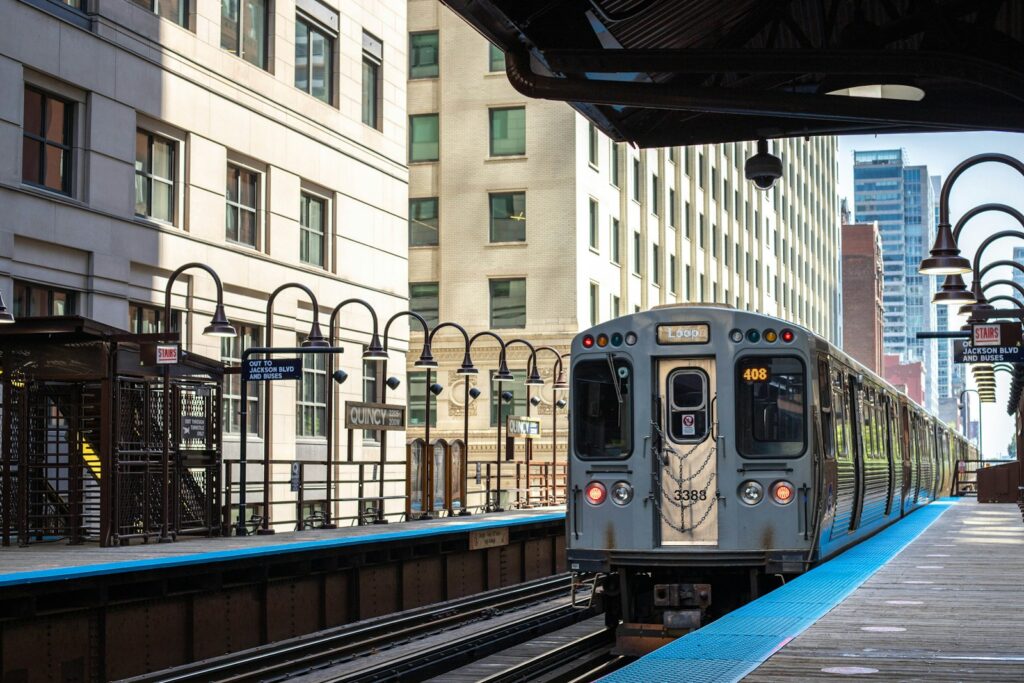
Chicago: The Red Line Extension, six decades in the making
On Chicago’s South Side, the CTA is building what residents and transit advocates have demanded for more than 60 years: an extension of the Red Line from its current terminus at 95th/Dan Ryan southward to 130th Street. The Red Line Extension will add four new stations and connect Far South Side neighborhoods that have relied almost entirely on buses and cars to reach downtown.
The project, which received a significant funding commitment through the 2021 federal Infrastructure Investment and Jobs Act, is still under construction and is not expected to carry passengers until later this decade. But 2026 marks a critical phase of active building. For South Side communities that have watched the rest of Chicago’s “L” network expand and modernize while their transit options stagnated, the extension carries weight beyond commute times. It represents a long-overdue investment in neighborhoods that were repeatedly passed over.
A national pattern, but not a guarantee
Taken together, these projects reflect a broader shift in how American cities are spending transportation dollars. The 2021 Infrastructure Investment and Jobs Act directed billions toward public transit, and agencies that had shelved expansion plans for lack of funding moved to lock in federal grants. The result is a construction wave that is hitting multiple cities at roughly the same time.
But opening dates are not the same as outcomes. Post-pandemic transit ridership has recovered unevenly. The American Public Transportation Association reported that U.S. transit ridership in 2024 reached about 80% of pre-pandemic levels nationally, with wide variation by city and mode. New rail lines will need to attract not just existing bus riders but drivers who have never used transit, and that depends on frequency, reliability, safety, and the kind of first- and last-mile connections that many U.S. systems still lack.
The projects opening in 2026 are real, and they are further along than skeptics predicted a few years ago. Whether they actually cut commute times at scale depends on what happens after the ribbon cuttings.
More from Wilder Media Group: