


Owning a car comes with an undeniable sense of freedom and convenience, but it can also be a significant financial burden. Between the cost of the car itself, routine maintenance, insurance, and fuel, the expenses can quickly add up.
However, there are ways to make car ownership more affordable and manageable. Implementing smart strategies can help you cut costs without having to give up the luxury of having your own vehicle. Here are ten practical methods to save money while owning a car.
1. Buy Used Instead of New

Buying a brand-new car might seem appealing, but it’s important to consider the significant depreciation that occurs as soon as you drive it off the lot. In contrast, a used car can provide good value, especially if it’s just a few years old and has been well-maintained.
Be sure to research the make and model you’re interested in to understand its reliability and potential maintenance costs. Additionally, have a trusted mechanic inspect the vehicle before purchase to avoid unexpected repair expenses down the road.
2. Shop Around for Insurance
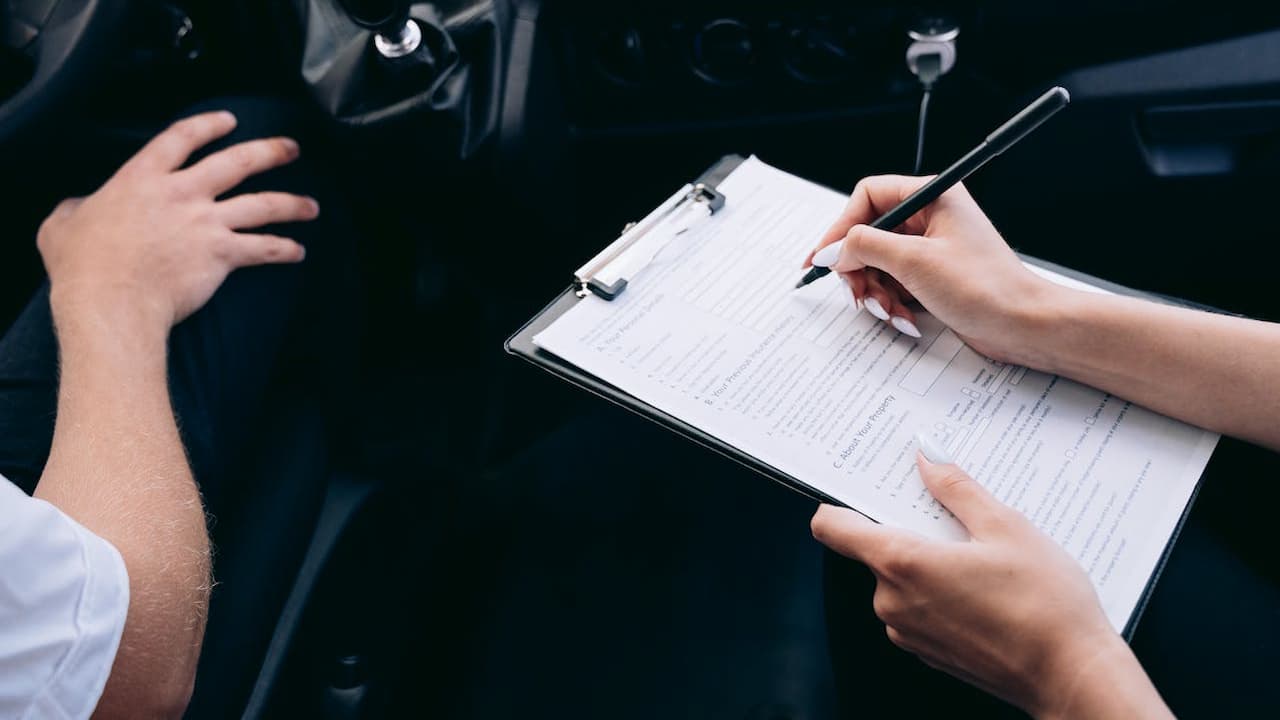
Insurance is a significant cost of car ownership, but prices can vary widely across different providers. Don’t just stick with the first quote you get. Spend some time shopping around, comparing multiple quotes, and understanding what each policy covers.
Also, consider adjusting your coverage. If your car is older, you may not need as much collision or comprehensive coverage. Raising your deductible can also lower your monthly premiums, but make sure you can afford to pay the higher deductible in case of an accident.
3. Maintain Your Vehicle Regularly

Regular maintenance can help prevent costly repairs in the future. Keeping your car in good condition can prolong its life, improve fuel efficiency, and maintain its value.
Regular maintenance includes oil changes, tire rotations, brake checks, and fluid level checks. Follow the maintenance schedule outlined in your vehicle’s manual. And remember, while some maintenance tasks can be performed at home, others should be left to professionals.
4. Improve Your Fuel Efficiency

Fuel costs can significantly impact your budget, so it’s beneficial to find ways to improve your car’s fuel efficiency. Simple changes such as reducing your speed, avoiding rapid acceleration and heavy braking, and removing excess weight from your vehicle can make a big difference.
Additionally, keeping your tires properly inflated and using the recommended grade of motor oil can also improve fuel economy. Regular maintenance, as mentioned earlier, helps your car run more efficiently and, therefore, use less fuel.
5. Buy Parts and Accessories Online

Buying parts and accessories from your local dealership or auto shop can be quite expensive. With a bit of research and patience, you can often find the same items online for a fraction of the price.
Just make sure to verify the parts’ compatibility with your vehicle model before purchasing. Websites like Amazon and eBay often have competitive prices on a wide range of auto parts and accessories.
6. Do Minor Repairs Yourself
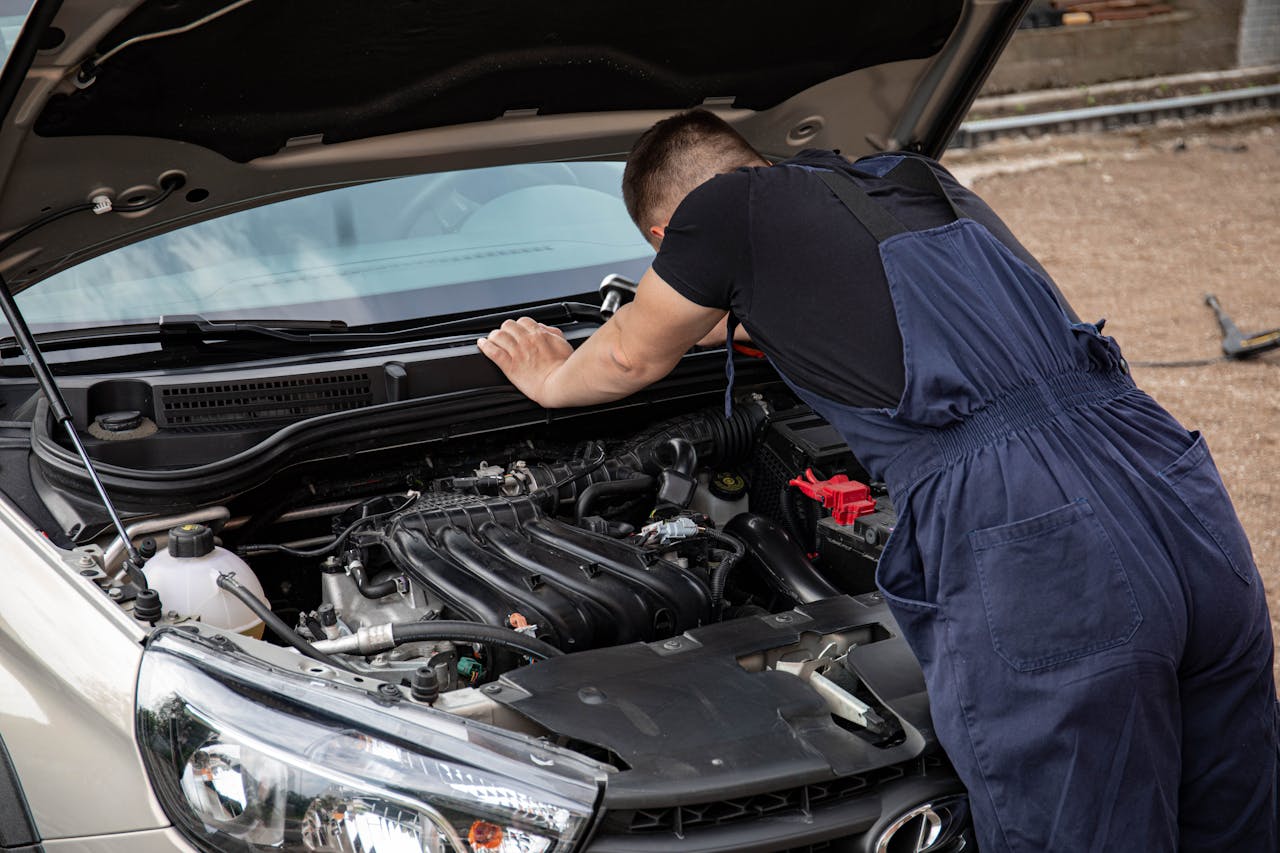
If you’re handy and willing to learn, you can save a lot of money by doing minor repairs yourself. There are plenty of resources online, including videos and tutorials, to guide you through basic tasks like changing your oil or replacing brake pads.
Remember, it’s essential to know your limits. If a repair seems too complicated or risky, it’s better to leave it to a professional to avoid causing more damage.
7. Use Public Transportation or Carpool

When possible, use public transportation or carpool to save on fuel, wear and tear, and parking fees. Even using these alternatives a few times a week can make a noticeable difference in your car-related expenses.
Many cities offer discounted monthly passes for public transit, and carpooling can split the cost of commuting among multiple people. Plus, these options are more environmentally friendly!
8. Avoid Expensive Upgrades and Add-Ons

While it might be tempting to opt for that high-end audio system or custom paint job, these upgrades often don’t increase the car’s value proportionate to their cost. Stick to necessary and functional upgrades and resist the urge to splurge on cosmetic enhancements.
Additionally, be wary of dealer add-ons when purchasing a car. Items like extended warranties, fabric protection, and paint sealant often carry hefty price tags and can be found cheaper elsewhere or are unnecessary.
9. Sell Your Car Privately

If you decide to sell your car, selling it privately can often yield a higher price than trading it in at a dealership. While it might require more effort, taking the time to advertise your vehicle, negotiate with potential buyers, and handle the paperwork can significantly increase your return.
Keep in mind, it’s important to be transparent about your car’s condition and history to maintain trust with potential buyers. Honest communication leads to smoother transactions and less hassle.
10. Refinance Your Car Loan

If you have a car loan with a high-interest rate, refinancing might be a good option to lower your monthly payments. This involves getting a new loan with a lower interest rate to pay off your existing loan.
However, refinancing isn’t for everyone. It’s most beneficial for those who’ve improved their credit score since taking out their original loan or when interest rates have dropped significantly. Always calculate the potential savings before deciding to refinance.