
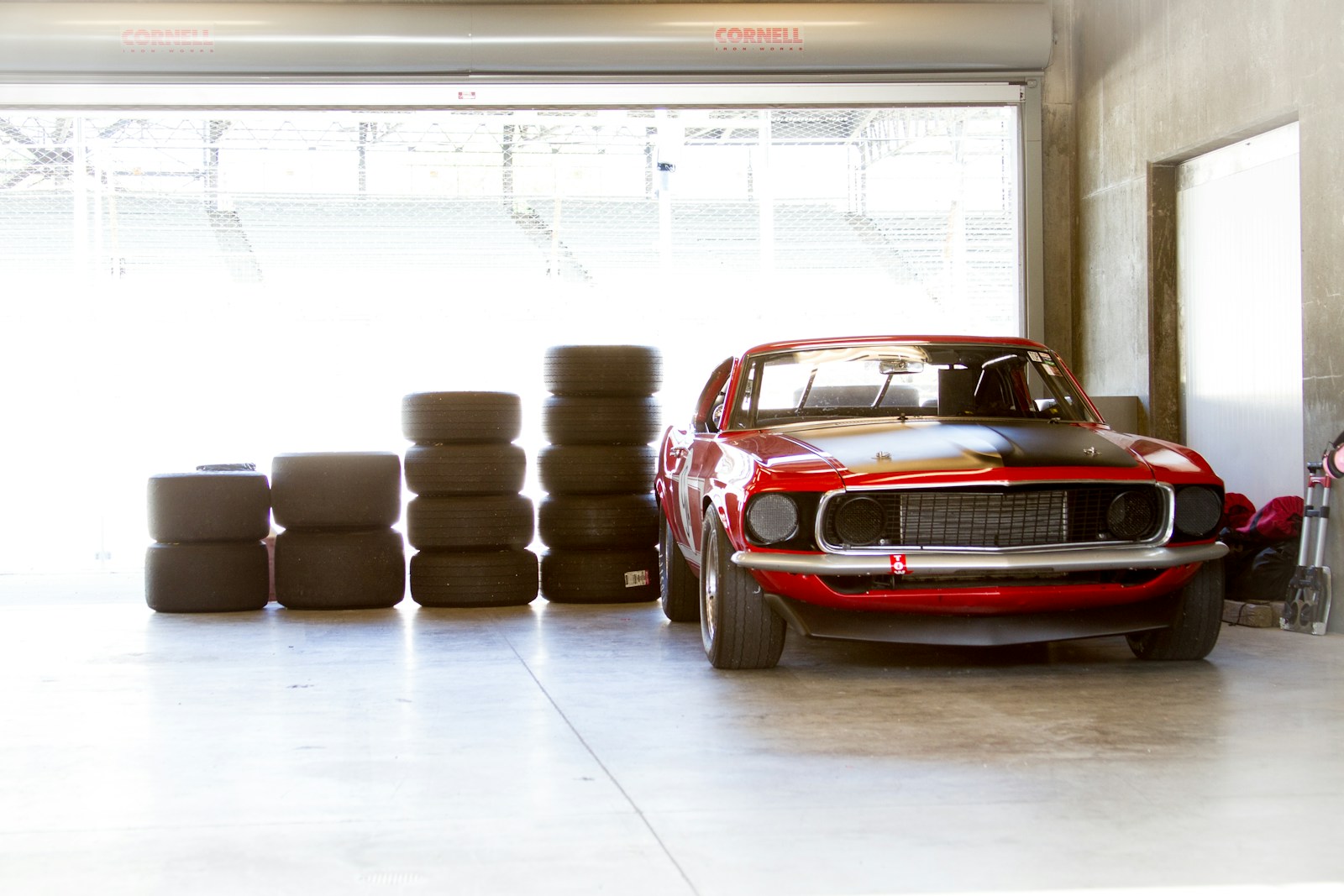

Earl Guynes sold his Camaro in 1983 because his wife was pregnant and they needed diaper money. It was a 1969 Z/28, the kind of car that sticks in your chest long after the keys leave your hand. He never forgot it. More than 40 years later, his son Jared handed him the keys to a fully restored version of the same car, a surprise years in the making. “Tonight I finally did it. I gave dad back his car,” Jared wrote on Facebook. “Nobody had any idea.”
That story, which Fox 59 and CBS Evening News both covered, captures one side of what happens when a classic car becomes tangled up in family identity. Guynes gave up something he loved so his kid could have diapers. His kid spent years with Bondo and brake pads to give it back. But not every family car story ends with a restoration and a hug. Some end with a $50 receipt from a junkyard and a grudge that lasts decades.
The Brother Who Sold the Family Camaro for $50
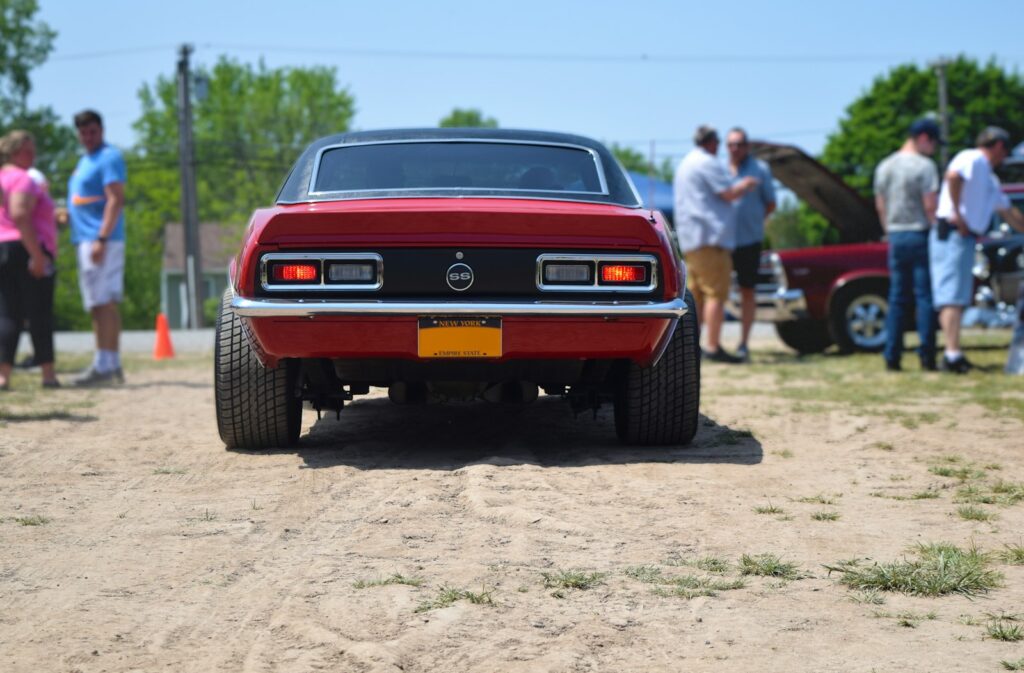
On the r/camaro subreddit, one user shared a story that still visibly stung. Their father had bought a Marina Blue 1968 Camaro for their mother back when the car was new. Eventually it was passed to a brother, with the understanding that it would stay in the family. Instead, that brother took it to a junkyard and sold it for $50.
“Still hate him for this,” the poster wrote. “I lost my mind.”
To put that $50 in perspective: a 1968 Camaro in fair condition can fetch between $25,000 and $45,000 at auction today, according to Hagerty’s valuation tools. A well-documented SS or Z/28 in excellent shape can clear six figures. But the poster’s anger wasn’t really about the money. It was about a broken promise and a piece of their parents’ early marriage hauled off as scrap.
When Siblings Fight Over a Dead Parent’s Car
These disputes keep surfacing online, and the pattern is remarkably consistent. One sibling has legal possession of a deceased parent’s vehicle. Another sibling assumed the car would be shared or preserved. The first sibling sells. The second sibling is blindsided.
A recent thread on Reddit’s r/AITAH forum followed exactly this script. A user asked whether they were wrong to be furious that a brother had sold the car their deceased father had cherished. Commenters immediately zeroed in on the legal question: Was the car titled in the brother’s name? Was there a will? Had probate been settled? Others argued that even a technically legal sale can feel like theft when the car represented something the whole family thought they shared.
That tension between legal title and moral claim is at the heart of nearly every one of these conflicts. Estate attorneys routinely advise families to address sentimental property explicitly in wills or trusts, precisely because state intestacy laws treat a classic Camaro the same as a used appliance. If a parent dies without specifying who gets the car, the executor or administrator can liquidate it as part of the estate, regardless of which child changed the oil every Saturday.
Why Heirloom Cars Carry So Much Weight
A vintage Camaro is not a savings account. You can’t split it evenly. You can’t deposit half of it into someone else’s name. It sits in a garage, and whoever controls the garage controls the memory.
That’s what makes the Guynes story so powerful as a counterpoint. Earl didn’t lose his car to a scheming relative. He made a deliberate sacrifice, trading something he loved for something his family needed. And when Jared tracked down and rebuilt a matching Z/28, he wasn’t just restoring a car. He was acknowledging what his father had given up. As Jared told friends and family on Facebook, the original sale had been unlike any car his father had ever parted with, because it carried the weight of becoming a parent.
Compare that with the junkyard story or the sibling disputes, and the difference is clear. In one version, the car leaves the family through a conscious act of love, and eventually comes back. In the other, it disappears through carelessness or self-interest, and what’s left is resentment that calcifies over years.
What Families Can Do Before It’s Too Late
For families who own a classic car with sentimental value, the practical advice is straightforward, even if the emotions aren’t:
- Name the car in the will. Sentimental property should be addressed specifically, not lumped into a general estate distribution.
- Discuss intentions while everyone is alive. The fights that blow up online almost always involve assumptions that were never spoken out loud.
- Get a current appraisal. Knowing the market value (Hagerty, Bring a Trailer, and local classic car appraisers are all reasonable starting points) helps families make informed decisions rather than emotional ones.
- Consider a family trust for the vehicle. If multiple heirs want to keep the car, a trust can outline maintenance responsibilities, storage, and conditions for any future sale.
None of that guarantees peace. The man who still hates his brother over a $50 junkyard receipt probably wouldn’t have been satisfied by a notarized document. But it narrows the space where betrayal can operate.
More from Wilder Media Group: