
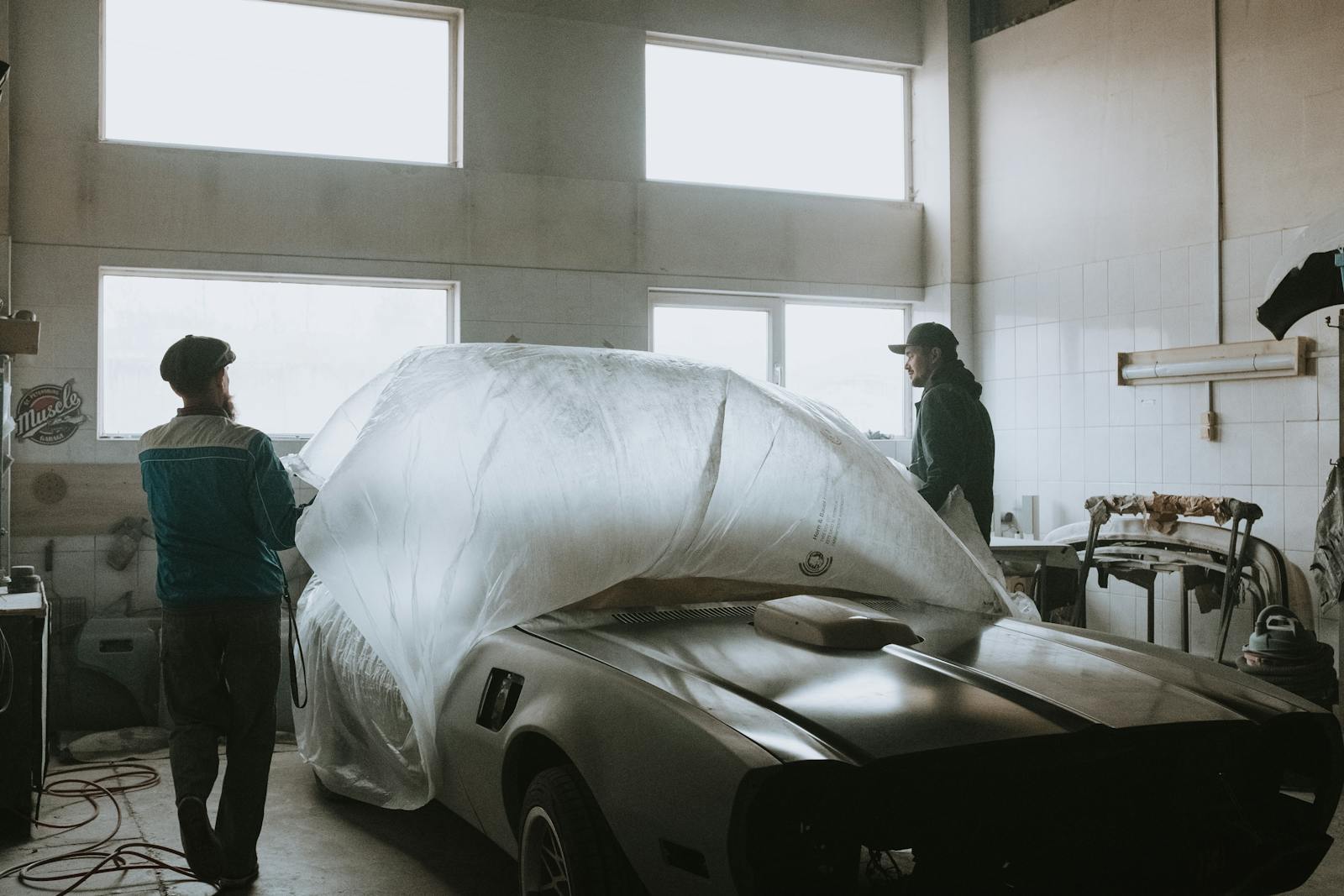

A father faces a difficult decision after his daughter expressed interest in repainting his cherished vintage car bright pink, sparking concerns about preserving the vehicle’s original appearance and potential value. The situation highlights a common conflict between family members when personal preferences clash with the historical significance of a classic automobile.
The debate centers on whether maintaining the car’s authenticity should take priority over allowing a younger family member to customize the vehicle to match her tastes. The father worries that changing the car’s color could diminish its collector appeal and erase decades of automotive history.
This disagreement raises questions about ownership, preservation, and the emotional value attached to vintage vehicles. The conversation between father and daughter represents a broader struggle many classic car owners face when deciding whether to modify or maintain their prized possessions in original condition.
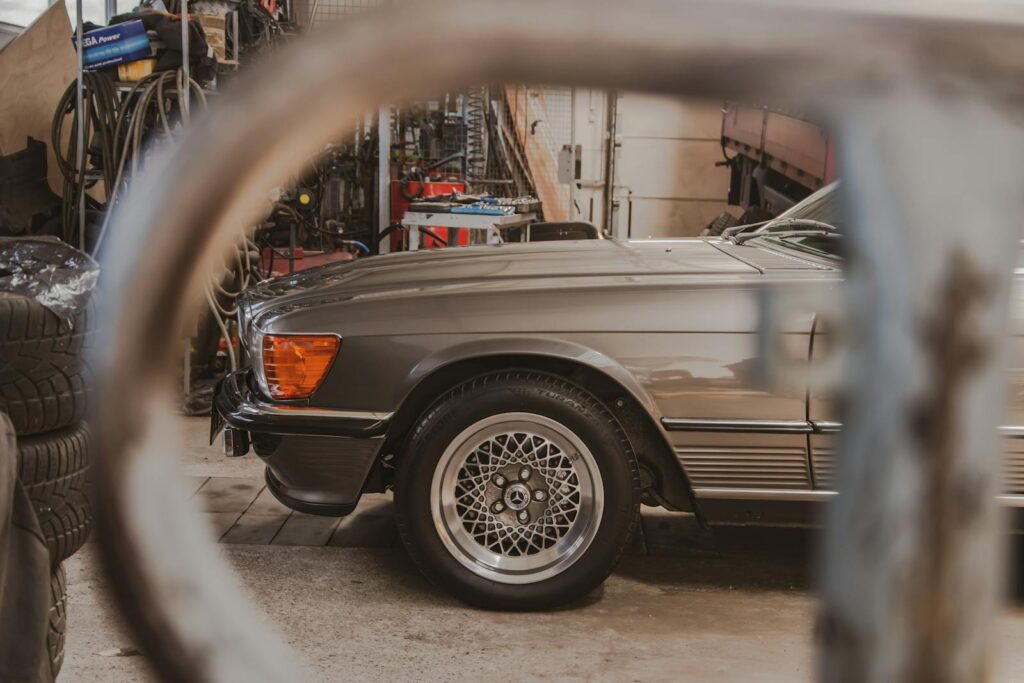
Debate Over Repainting The Vintage Car
The disagreement centers on whether the daughter should transform her father’s cherished vintage automobile with a bold new look or preserve its decades-old finish. Different perspectives on car ownership, personal expression, and historical preservation have created tension within the family.
Why The Daughter Wants Bright Pink
The daughter sees the vintage car as an opportunity to express her personality and make the vehicle uniquely hers. She’s drawn to bright pink because it represents her bold style and would make the car stand out wherever she drives it.
Her generation views classic cars differently than collectors do. She wants to drive something that feels modern and fun rather than treating it like a museum piece. The bright pink color would let her put her own stamp on the vehicle and create a conversation starter.
She believes that since she’ll be the one driving the car regularly, she should have input on its appearance. The current color feels outdated to her, and repainting can reflect personal taste and allow owners to showcase their individuality. She sees the repaint as a way to bring new life to an old car.
Father’s Emotional Reaction To Changing The Color
The father feels horrified at the prospect of losing the car’s original paint. He views the vintage finish as irreplaceable and part of what makes the vehicle special and authentic.
His emotional response stems from years of caring for the automobile and appreciating its historical significance. The original color represents a connection to the past and the craftsmanship of a different era. He worries that a bright pink paint job would destroy everything that makes the car valuable.
He’s also concerned about the practical implications. Changing the color can significantly reduce resale value for collectors who prefer original condition vehicles. The thought of dismantling a perfectly good vintage car for a cosmetic change feels wasteful and disrespectful to him.
Meaning And Value Of The Original Paint
The original paint carries both historical and financial significance that goes beyond personal preference. Classic cars with their original color intact showcase their journey throughout the years and serve as testaments to period craftsmanship.
From a collector’s standpoint, originality matters tremendously. Cars in their original condition with minimal modifications often fetch higher prices in the market. The slightest alteration can impact what serious buyers are willing to pay.
The factory paint tells a story about when and where the car was made. It reflects the design aesthetics and color trends of its era. Preserving this element maintains the vehicle’s authenticity and allows future generations to appreciate it as it was originally intended.
Family Opinions And Potential Compromise
Other family members have weighed in with mixed reactions to the situation. Some side with the daughter’s desire for self-expression, while others understand the father’s attachment to preserving automotive history.
A few relatives have suggested middle-ground solutions. One option involves finding a different classic car that the daughter could repaint without touching the original vehicle. Another possibility includes using temporary wraps or refinishing rather than full repainting to preserve the underlying original paint.
Some family members think the father should let go since the daughter will be the primary driver. Others argue that certain things have value beyond individual ownership and deserve protection. The family continues to discuss whether there’s a way to honor both the daughter’s wishes and the car’s historical significance.
Impact Of Repainting A Vintage Vehicle
The father’s concerns about his daughter’s bright pink paint proposal extend beyond personal taste. Repainting decisions can fundamentally alter both the monetary worth and historical integrity of classic automobiles.
Effect On Car’s Value And Authenticity
Repainting a classic car can decrease its value, particularly when the vehicle is rare or the work is poorly executed. The impact depends heavily on whether the car maintains its original factory finish.
Original factory paint remains crucial for preserving a vehicle’s worth. A car that still wears its birth color and original coating commands premium prices among collectors who value authenticity. Data cards and documentation listing the factory color code become less meaningful when the vehicle no longer matches its historical specifications.
The type of classic car matters significantly in this equation. A 1930s full classic loses value differently than a 1950s resto-mod when repainted. Some vintage vehicles in all-original condition can lose value even when repainted in their original color.
Color choice affects resale potential too. Painting a classic Mercedes in a non-manufacturer color makes the vehicle harder to sell compared to keeping it within the brand’s historical palette.
Challenges Of Restoring Original Paint Later
Once a vintage car gets repainted, reversing that decision becomes complicated and expensive. The original paint layer is permanently lost beneath new coats, making it impossible to truly restore the car to its factory-fresh state.
Professional paint removal and reapplication in the correct original color requires specialized knowledge of period-correct techniques and materials. Finding shops that understand vintage paint formulations adds difficulty to the restoration process.
The car’s historical story becomes muddied through multiple paint jobs. Future buyers and collectors will see evidence of repainting when inspecting the vehicle, even if it’s eventually returned to the correct factory color. Paint is intrinsically linked to a vehicle’s success story and identity, making each subsequent layer a departure from its authentic heritage.
More from Steel Horse Rides: