
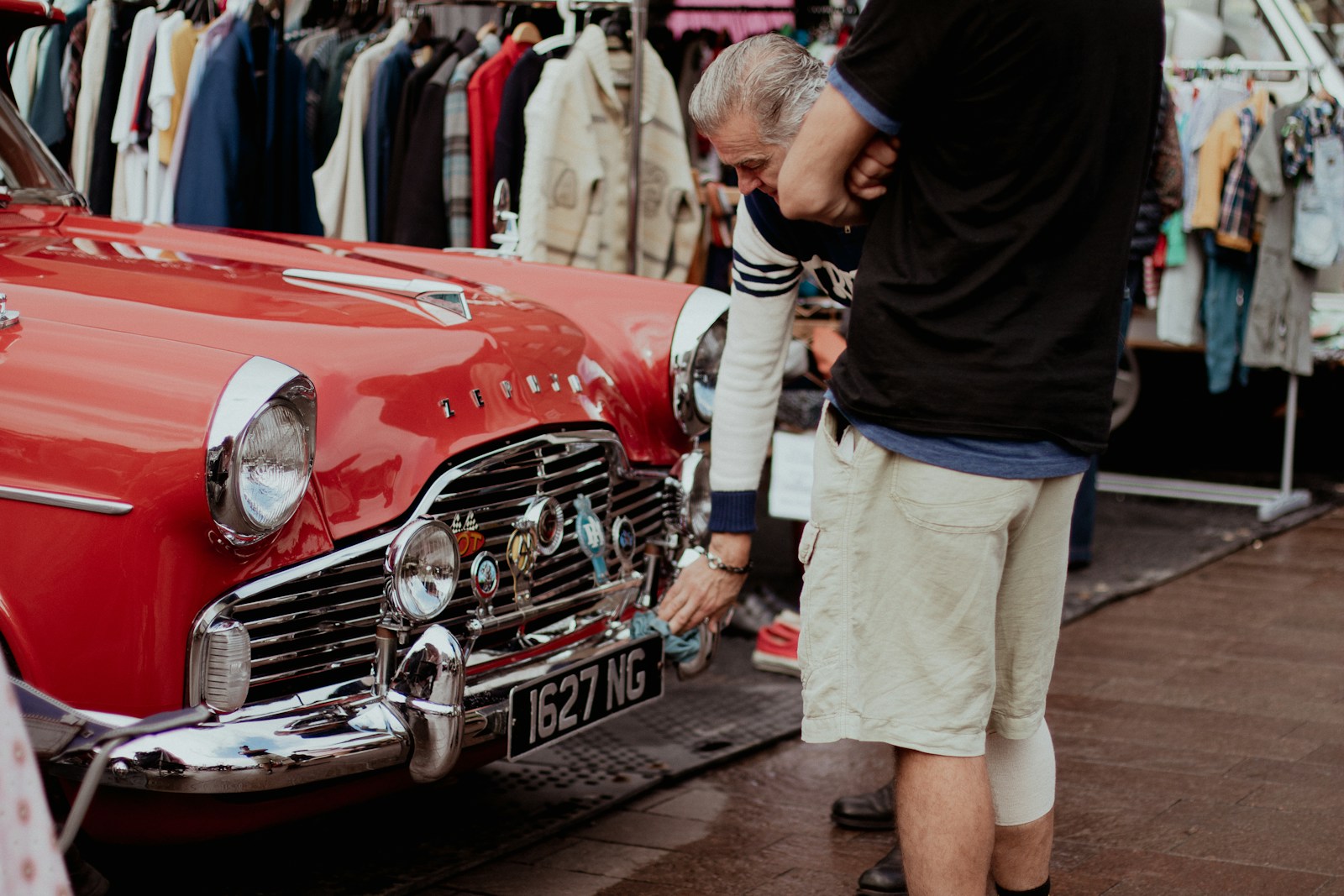

A father spent years meticulously restoring a classic car, pouring countless hours and resources into bringing the vintage vehicle back to life. Now that the project is complete, his son has expressed interest in using the restored classic as his daily driver. The situation has sparked a debate that many classic car enthusiasts face when family members want to take their prized possessions on the road every day.
The father’s concern centers on whether a newly restored classic car should be subjected to the wear and tear of daily commuting, especially after investing so much time and effort into the restoration. His son argues that cars were meant to be driven, not just displayed in a garage. The disagreement highlights the tension between preservation and practical use that classic car owners regularly navigate.
This scenario raises questions about the risks and realities of using a classic car as daily transportation. The father’s restoration journey and his son’s desire to drive the car reveal the different perspectives that can exist within families about how classic vehicles should be enjoyed.
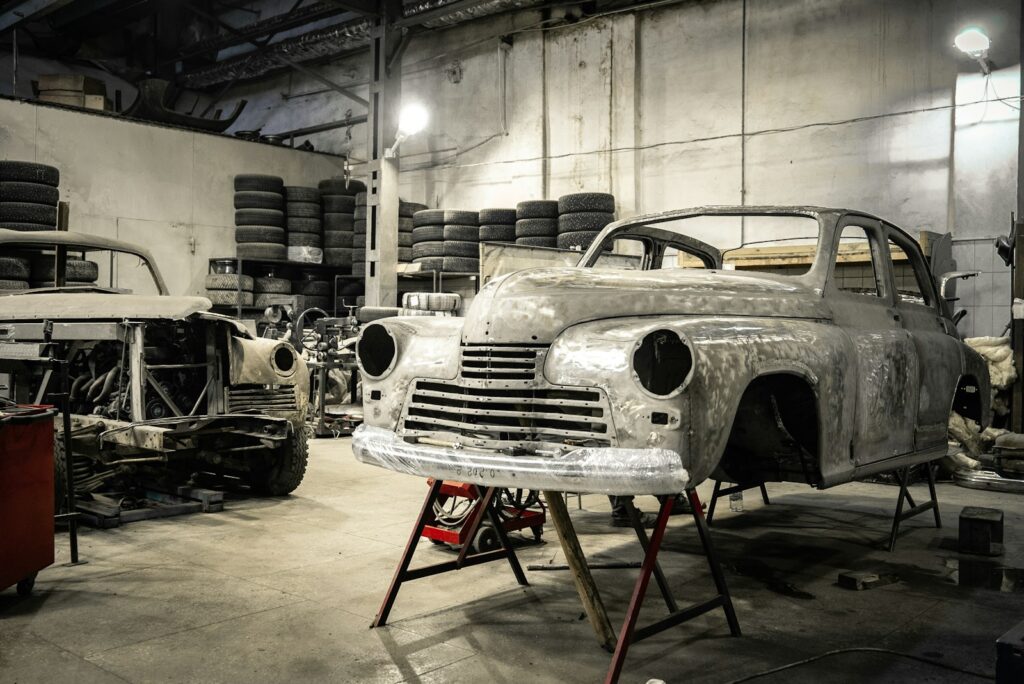
The Journey Of Restoring A Classic Car
Classic car restoration demands years of dedication and significant financial commitment, transforming rusted shells into pristine vehicles through countless hours of meticulous work.
Passion And Challenges Behind Restoration
Restoring a classic car isn’t just a mechanical undertaking but an emotional journey that tests an owner’s commitment. The father in this case spent years carefully sourcing parts, learning specialized techniques, and overcoming obstacles that would discourage most people. Classic car restoration presents unique challenges, from tracking down rare components to mastering intricate repair methods that modern vehicles don’t require.
Every restoration project brings unexpected problems. Rust damage often extends deeper than initially visible, electrical systems fail in mysterious ways, and original parts become increasingly scarce. Some enthusiasts tackle projects ranging from American muscle cars to Japanese classics like vintage Mazda models, each requiring different expertise and patience.
The process becomes deeply personal. Restorers form connections with their vehicles through late nights in the garage and small victories when an engine finally turns over after months of work.
Time And Investment Put Into The Project
The father invested multiple years into bringing his classic car back to life, dedicating weekends and evenings to the painstaking work. Restoration requires careful planning and genuine passion for automotive history, with timelines often stretching far beyond initial estimates.
Financial costs add up quickly. Parts, tools, paint, and materials drain savings accounts steadily. Professional help for specialized work like bodywork or upholstery increases expenses further. Many restorers find themselves choosing between authenticity and affordability as they hunt for correct components.
The time commitment affects family life. Hours spent in the garage mean missed dinners and postponed activities. Yet the father persisted through these years, envisioning the finished product that would represent his dedication and craftsmanship.
Daily Driving A Newly Restored Classic Car
The father’s years of careful restoration work now faces an unexpected challenge as his son pushes to make the classic car his everyday vehicle. This situation brings up practical concerns about wear and tear, safety considerations, and the reality of relying on vintage automotive technology for modern transportation needs.
What Daily Driving Means For A Classic
Daily driving transforms a restored classic from a weekend showpiece into a vehicle that faces constant exposure to road hazards, weather, and mechanical stress. The son’s plan means the car would rack up significant mileage navigating parking lots where shopping carts and careless drivers pose threats to pristine paint and bodywork.
Regular use demands:
- Multiple trips through various weather conditions
- Frequent starts and stops in traffic
- Exposure to road salt, debris, and environmental damage
- Constant wear on mechanical components
The father understands that parts availability becomes critical when something breaks during a commute. Unlike modern vehicles, a classic car might sit for days waiting for hard-to-find components. Daily driving a restored classic carries risk because maintenance costs can equal or exceed those of a new car due to part scarcity.
The restored vehicle would need regular inspections and preventative maintenance to stay roadworthy. Without modern diagnostic computers, identifying issues requires mechanical knowledge and hands-on troubleshooting.
Modern vs. Classic: Real-Life Experiences
Someone who daily drove a classic for two years discovered the reality differs significantly from weekend cruising. The father likely worries his son doesn’t grasp how vintage cars lack basic conveniences that modern drivers take for granted.
Classic cars from the 1960s and 1970s lack anti-lock brakes, airbags, and three-point seatbelts that protect occupants in accidents. They don’t have the engineering focused on crash safety that newer vehicles receive as standard equipment. The heating and cooling systems in older vehicles struggle compared to modern climate control, making commutes uncomfortable during temperature extremes.
The son would face challenges his friends driving newer cars never encounter. Manual windows, basic sound systems, and the absence of power steering make parallel parking and city driving more demanding. Maintaining a classic has to become a hobby rather than just transportation, requiring tools, knowledge, and dedication.
Risks And Rewards For The Family
The father invested years bringing the classic back to pristine condition, and watching it become a daily driver means accepting inevitable deterioration. The odometer would climb steadily, affecting the vehicle’s collector value and the pride he takes in keeping mileage low.
Insurance requirements change dramatically when a classic transitions from occasional use to daily transportation. The family would need standard auto insurance rather than specialty collector coverage, potentially increasing costs while the vehicle’s value could decrease from added wear.
Key family considerations include:
- Whether the son has mechanical skills for roadside emergencies
- Access to backup transportation when repairs are needed
- Budget for increased maintenance and fuel costs
- Emotional impact of watching restoration work face daily wear
The father faces watching door dings, stone chips, and interior wear accumulate on work that took years to perfect. His son sees freedom and the thrill of driving something unique, while the father sees vulnerability and risk to his investment of time and money.
More from Steel Horse Rides: