
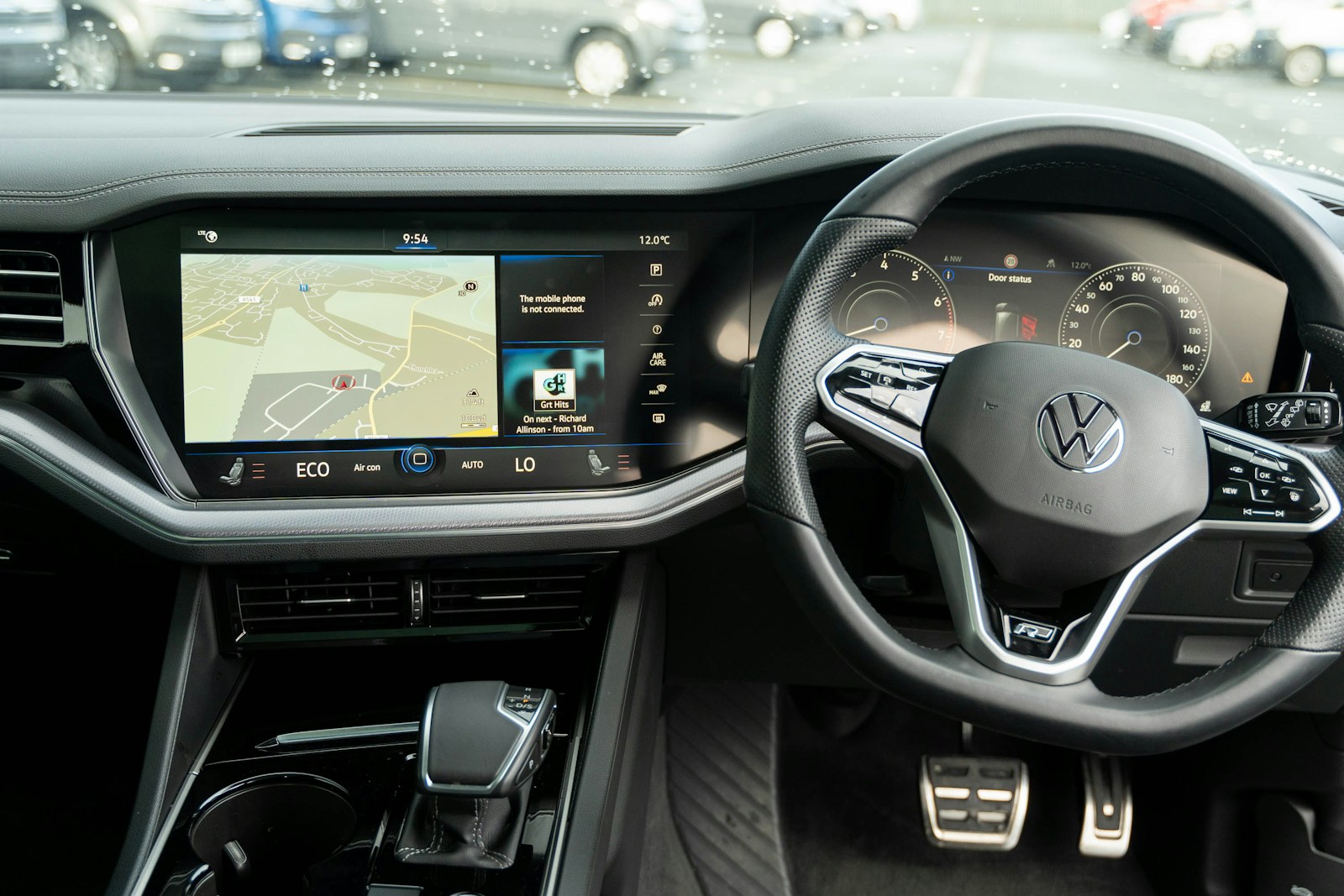

A truck owner’s viral complaint about needing to navigate through multiple touchscreen menus just to activate his defroster has sparked renewed debate about automotive design priorities. The frustrated driver claims his vehicle requires him to click through four separate digital menus to turn on a basic climate control feature, a process that becomes particularly problematic when dealing with frozen windshields in cold weather.
The incident highlights growing concerns about the automotive industry’s shift away from physical buttons toward touchscreen-dominated interfaces. While manufacturers tout sleek digital displays as modern upgrades, drivers are finding that GM and other automakers are facing widespread infotainment system issues that affect basic vehicle functions.
This particular case has resonated with countless drivers who share similar frustrations about accessing essential controls while trying to focus on the road. The story raises questions about whether the push toward fully digital interfaces has gone too far, especially for functions that drivers need to access quickly and safely.
Endless Touchscreen Menus: Frustration and Safety Challenges
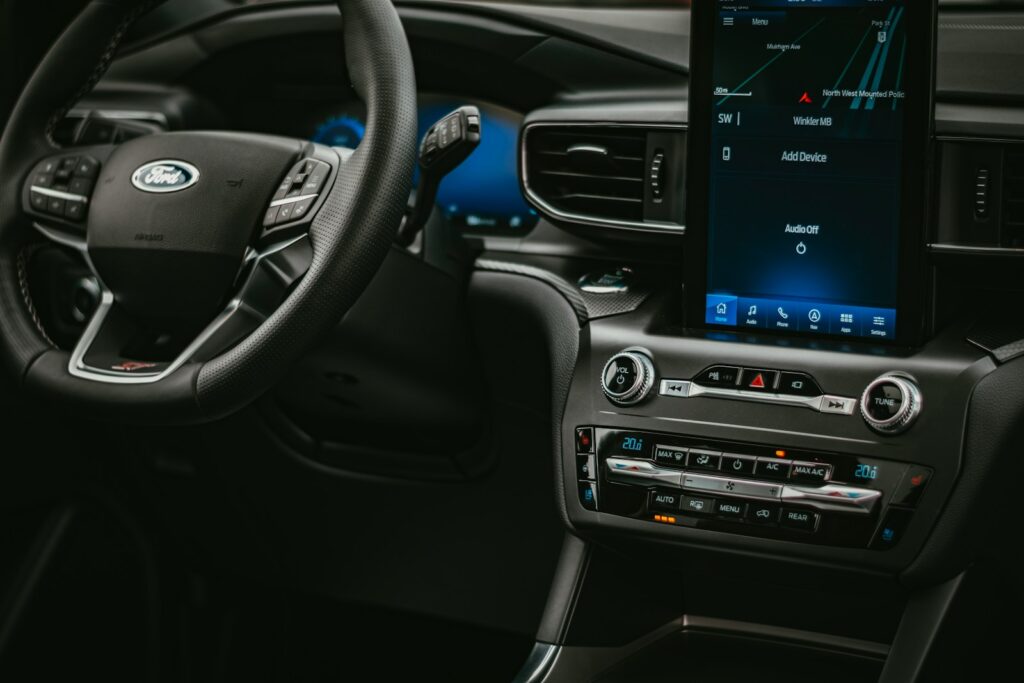
Modern vehicles are increasingly burying basic functions like defrosters deep within touchscreen menus, requiring drivers to navigate multiple screens while driving. This design approach creates measurable delays in reaction times and represents a shift toward cheaper manufacturing at the expense of driver convenience.
Navigating Multiple Menus for Basic Controls
Drivers now face the reality of scrolling through several touchscreen menus just to access functions that once required a single button press. Climate controls have become particularly problematic, with temperature adjustments and defrost settings often hidden behind multiple layers of digital interfaces.
Research shows 97% of new cars since 2023 have at least one touchscreen, handling an expanding number of vehicle functions. The shift has moved windshield wipers, HVAC systems, and other essential features away from physical controls into complex menu structures.
One truck owner discovered his defroster required navigating four separate touchscreen menus in freezing conditions. What used to be a quick turn of a knob now demands sustained attention to an infotainment system while trying to maintain focus on the road.
Impact on Driver Reaction Times and Distraction
A 2022 Swedish study found that using touchscreens can take twice as long as knobs or buttons, with some tasks requiring up to 20 seconds. Drivers using touchscreen controls drifted side-to-side in their lane 42 percent more often according to a University of Washington study.
The visual and cognitive demand of touchscreen-based tasks is substantially higher than with physical controls that drivers can operate without looking. Older drivers face particularly steep challenges, taking eight seconds longer to complete touchscreen tasks compared to traditional buttons.
National data shows 40,000 people are killed every year in traffic deaths. Michael Brooks from the Center for Auto Safety testified before Congress expressing concern about critical functions being moved to touchscreen menus, noting that people now have to scroll through screens to turn on windshield wipers or defogging systems.
Manufacturer Design Choices and Cost Cutting
Automakers have embraced touchscreens partly because they’re cheaper to manufacture than traditional button-and-knob assemblies. By centralizing climate control, safety features, and stereo functions into one touchscreen location, manufacturers save money on individual buttons, wires, and the labor required to install them.
Customer dissatisfaction with touchscreens now tops the list of complaints for new car owners according to the latest JD Power survey. The backlash has prompted some manufacturers to reconsider their approach—Mercedes-Benz, Porsche, Honda, and Volkswagen have started reintroducing physical buttons and knobs.
Several automakers have issued recalls for touchscreen malfunctions, including Toyota, Lexus, Ford, Hyundai, and Tesla. Problems include blackouts, frozen screens, and software glitches that can disable critical vehicle information while driving.
Physical Buttons, Voice Control, and the Call to Bring Back Tactile Controls
The frustration with touchscreen-dominated vehicle interiors has sparked a broader conversation about safety and usability. Research shows that tactile controls reduce distraction, while voice systems and technologies like Apple CarPlay offer mixed results in real-world driving scenarios.
Physical Controls vs Touchscreens: Which Keeps Drivers Safer?
Studies reveal that touchscreen controls can be as distracting as texting while driving, creating serious safety concerns for drivers navigating multi-level menus. Physical buttons allow drivers to operate essential functions by feel alone, keeping their eyes on the road instead of hunting through digital interfaces.
Rachel Plotnick, a professor who studies the history of buttons, explains that people have a hunger for physical buttons because they offer tactile feedback that doesn’t require direct visual attention. The simple act of reaching for a familiar knob or switch becomes muscle memory, reducing cognitive load during critical driving moments.
Research demonstrates that reaction times worsen significantly when drivers use screens while operating vehicles. The constant need to look down at a display creates dangerous gaps in road awareness, particularly when performing routine tasks like adjusting climate controls or changing radio stations.
Voice Control and Apple CarPlay: Benefits and Limitations
Voice recognition systems initially seemed like the perfect solution to touchscreen distraction problems. However, studies show that even voice control remains measurably more distracting than baseline driving without any system interaction.
Apple CarPlay and similar smartphone integration platforms provide better interfaces than many native vehicle systems, but they still require drivers to process information and make decisions while navigating. The mental effort of speaking commands, waiting for recognition, and confirming actions diverts attention from driving tasks.
When compared with visual-manual systems, voice control performs slightly better, but it doesn’t eliminate distraction entirely. Drivers must still formulate commands correctly and troubleshoot when the system misunderstands their requests.
Industry Trends: Why Carmakers Are Returning to Physical Buttons
Major manufacturers are acknowledging customer frustration and safety concerns by reversing course on touchscreen-only designs. Mercedes-Benz announced plans to reintroduce physical controls across its vehicle lineup, moving away from the screen-centered cabins that dominated the past decade.
Automakers followed Tesla’s lead in designing screen-centric cockpits, but consumer backlash has prompted a “re-buttoning” phase across the industry. Essential functions like climate control and volume adjustment are being rescued from buried menu systems and restored to dedicated switches on the center console.
The shift represents more than just design preference. Approximately 90 percent of drivers dislike using touchscreens in their vehicles, according to industry research. This overwhelming feedback has convinced manufacturers that the cost-cutting measures that eliminated physical controls created more problems than they solved.
More from Steel Horse Rides: