
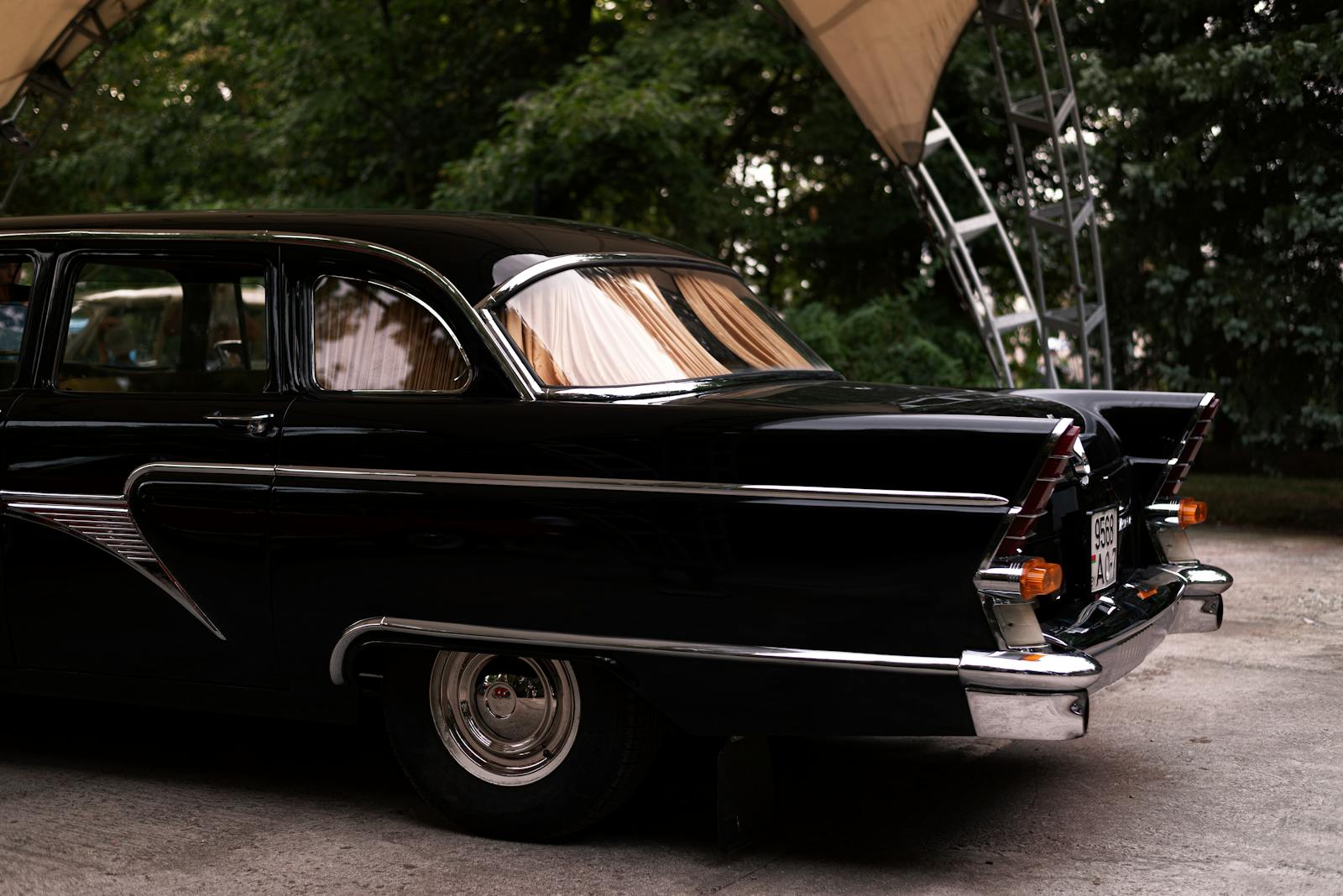

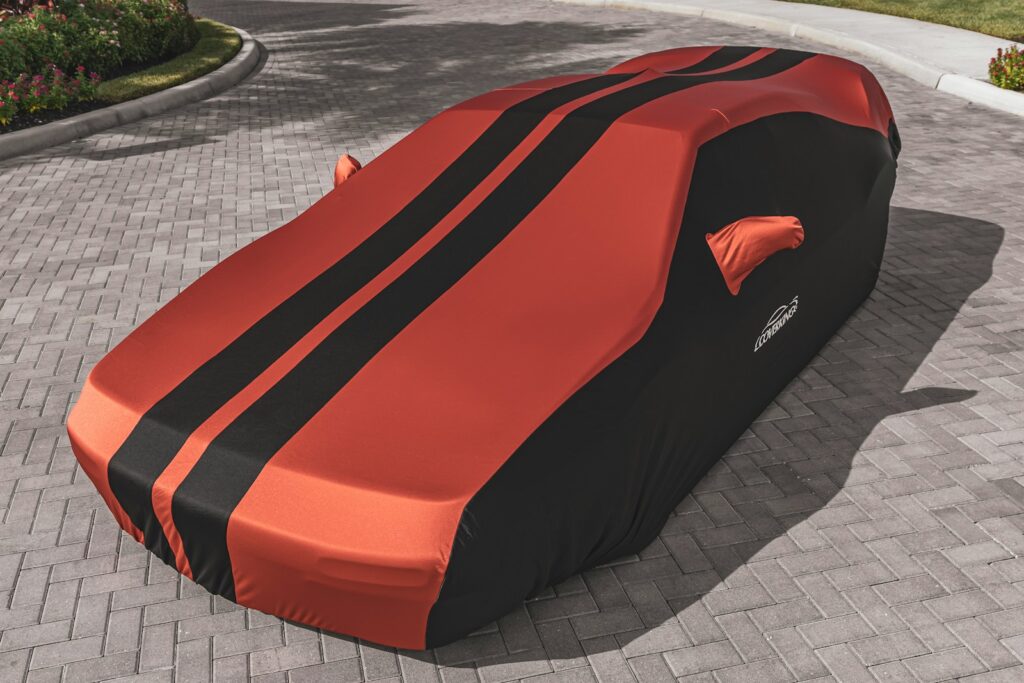
A homeowner is speaking out after his HOA told him to cover up his classic car parked in his driveway, claiming it doesn’t fit the neighborhood’s aesthetic. The twist? Several large RVs are parked nearby without any complaints from the association.
The man argues that the rule is being applied inconsistently, since his vintage vehicle is being singled out while other arguably more conspicuous vehicles get a pass. The situation has sparked debate about what counts as an eyesore and whether HOAs overstep their authority when enforcing appearance standards.
The conflict raises questions about how homeowners associations decide which vehicles are acceptable and which aren’t. The case highlights tensions that can arise when personal property rights clash with community rules, especially when those rules seem arbitrarily enforced.
The Classic Car Controversy
A homeowner’s vintage vehicle became the center of a heated dispute when his HOA singled it out for violating aesthetic standards while apparently overlooking larger recreational vehicles parked in the same community.
HOA’s Request and Reasons
The homeowner received a notice from his HOA demanding that he cover his classic car or remove it from view. The association claimed the vehicle didn’t align with the neighborhood’s visual standards and was considered an eyesore by community leadership.
According to the complaint, the classic car supposedly detracted from the uniform appearance the HOA was trying to maintain. The notice didn’t provide specific details about which standards the car violated or reference particular bylaws. Instead, it focused on the general aesthetic concerns and the perceived impact on property values.
The HOA gave the homeowner a deadline to comply with their request or face potential fines.
Homeowner’s Response and Perspective
The car owner was frustrated by what he saw as selective enforcement of community rules. He pointed out that he maintains his classic car in good condition and keeps it clean.
He questioned why his well-maintained vintage vehicle was targeted when other vehicles in the neighborhood seemed to get a pass. The homeowner noted that he parks the car legally in his own driveway and follows all relevant regulations.
He expressed concern that the HOA was overstepping its authority and making arbitrary decisions based on personal preferences rather than documented violations. The homeowner felt the complaint was unfair given his care for the vehicle and property.
Neighboring RVs and Inconsistencies
Several RVs sit parked in driveways and on streets throughout the same neighborhood without any apparent HOA complaints. These recreational vehicles are significantly larger than the classic car and occupy more visible space.
The homeowner emphasized this discrepancy as evidence of inconsistent rule enforcement. He wondered why oversized RVs were acceptable while his classic car wasn’t.
The situation raised questions about how HOAs apply their standards and whether enforcement targets specific homeowners unfairly. Other residents began discussing whether the rules were being applied equally across the community or if certain members received preferential treatment.
Broader Impacts on Community and Car Owners
The incident highlights ongoing tensions between individual property rights and HOA regulations, particularly when rules appear inconsistently applied. Questions about what counts as aesthetically acceptable have divided neighbors and raised concerns among classic car enthusiasts.
Interpretation of HOA Rules
HOA boards maintain significant authority over what residents can display on their properties, though enforcement often varies. In this case, the classic car was deemed incompatible with neighborhood aesthetics while RVs received no similar scrutiny.
Many HOAs include vague language about maintaining “visual harmony” or “neighborhood character” in their bylaws. These subjective terms give boards wide discretion in deciding what stays and what goes. The man’s situation demonstrates how this flexibility can lead to decisions that seem arbitrary to homeowners.
Written guidelines rarely specify vehicle models or types, instead relying on board members to make judgment calls. This leaves room for personal preferences to influence enforcement. When some vehicles escape notice while others face immediate action, residents question whether rules apply equally to everyone.
Reactions from Residents
Fellow homeowners expressed mixed feelings about the HOA’s demand. Some supported the man, pointing out the visible RVs parked in driveways throughout the community. Others defended the board’s right to enforce standards as they see fit.
Social media responses showed strong support for the car owner. Commenters noted the apparent double standard in allowing large recreational vehicles while targeting a classic car. Several residents from other neighborhoods shared similar experiences with their own HOAs.
The controversy sparked conversations at community meetings. Multiple homeowners questioned why enforcement focused on certain vehicles but not others. Some called for clearer, more specific rules about what types of vehicles can be parked outside.
Classic Cars and Neighborhood Aesthetics
Classic car owners frequently clash with HOA regulations across the country. These vehicles often represent significant investments and passion projects for their owners. Boards sometimes view them as eyesores regardless of condition or value.
The man’s car appeared well-maintained according to photos shared online. Unlike rusted project cars or vehicles on blocks, it was in running condition and regularly driven. The aesthetic argument became harder to justify when compared to the weathered RVs nearby.
Property values remain a central concern for HOAs making these decisions. Boards argue that controlling visible vehicles protects home prices. However, no data suggests a restored classic car decreases values more than an aging RV.
More from Steel Horse Rides: