
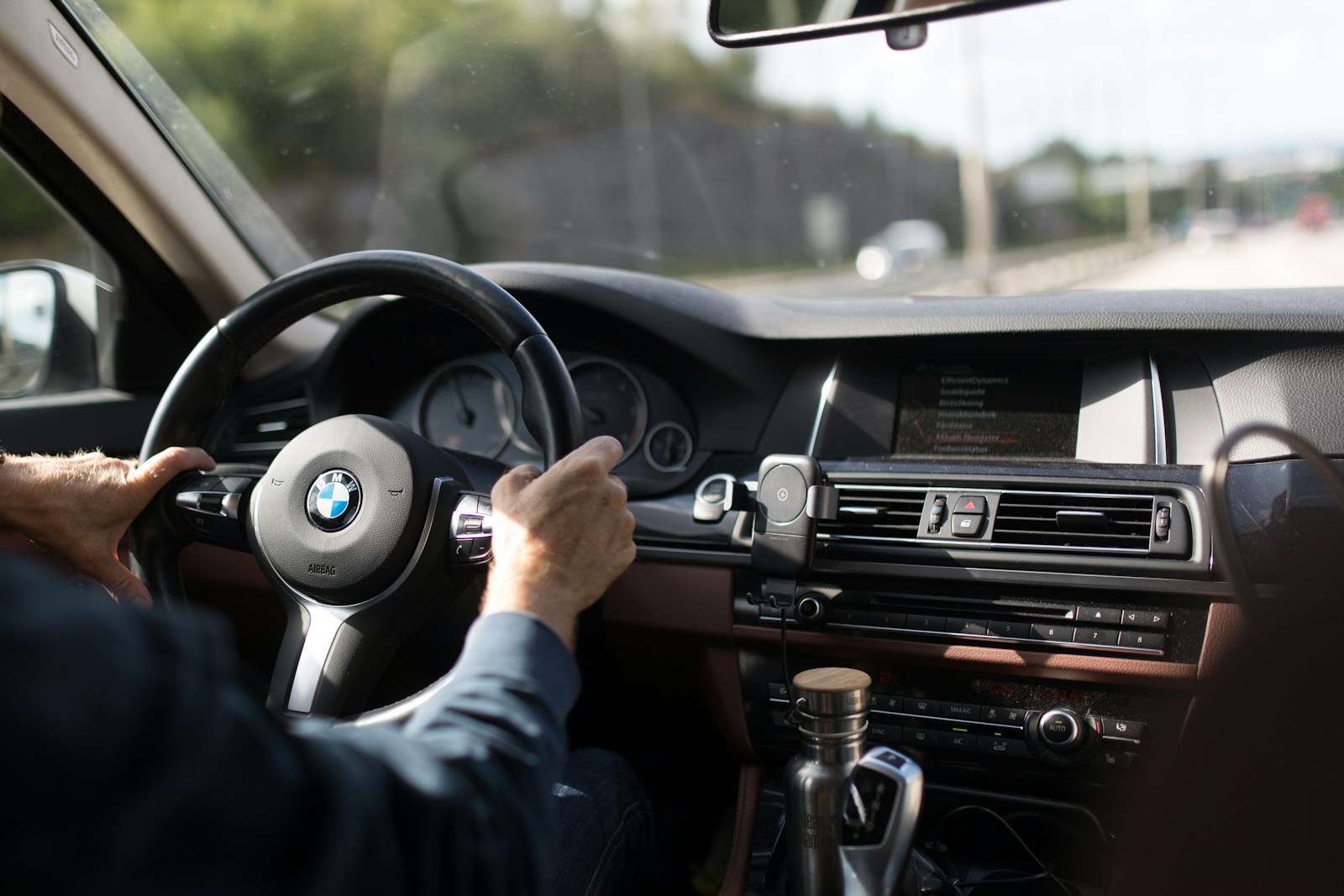

When a car owner in Illinois dropped off his vehicle for routine service, he expected a quick turnaround. Instead, he picked it up to find 120 extra miles on the odometer. The repair order mentioned only a brief test drive. The math did not add up, and his frustration echoed a question that nags anyone who has ever handed keys to a stranger: what happens to your car when you are not watching?
Stories like his are not rare. Consumer complaint databases at the Better Business Bureau regularly include grievances about unauthorized mileage, and state attorneys general field similar reports each year. As more vehicles come equipped with built-in telematics and more owners mount dashboard cameras, the gap between what shops say happened and what the data shows is getting harder to ignore.
What Counts as a Legitimate Test Drive?
Inside a service bay, “test drive” is a flexible term. A quick loop to confirm a brake job might add two or three miles. But diagnosing an intermittent transmission shudder or a turbo surge that only appears at highway speed can require 20 miles or more. Ford, for example, will not approve certain warranty claims unless the technician documents that the customer’s concern was verified under real driving conditions, a policy that sometimes demands repeated trips and careful mileage logs. Kevin Coker, a former technician who posted in a Facebook group for Explorer ST owners, described the process: the manufacturer expects written proof that the shop replicated the fault before it will authorize a covered repair.
The trouble starts when that mileage balloons without explanation. In a Reddit thread titled “My mechanic took my car home??”, a driver discovered a technician had kept the vehicle overnight. Some commenters defended the practice, noting that certain faults only surface during cold starts or extended drives. But even sympathetic voices agreed on one point: the shop should have called the owner first. “Every dealership I’ve worked at required us to get permission before taking a vehicle home that night,” one commenter wrote.
Industry guidance supports that expectation. The Automotive Service Association, a national trade group for independent repair shops, advises members to document and communicate the scope of any test drive before it happens, treating transparency as both a customer-service standard and a liability shield.
When a Test Drive Becomes a Joyride
Extra miles are one thing. Reckless driving is another. In a post on Reddit’s legal advice forum, a driver shared dashcam footage showing a mechanic pushing the car to 130 mph on public roads. Commenters, including users who identified as attorneys, noted that the footage could support claims for property damage, diminished vehicle value, and potentially reckless driving charges.
A separate incident captured on video in Clay County showed a technician behind the wheel of a customer’s car in a manner that drew immediate comparisons to the parking-garage scene in Ferris Bueller’s Day Off. The clip circulated widely, and the owner said it confirmed his suspicion that the car had been taken on an unauthorized joyride.
Performance and collector vehicles face especially high stakes. In a thread on Reddit’s IdiotsInCars forum, one user recounted how a friend’s low-mileage C5 Z06 Corvette, brought in for a simple oil change, came back with gravel damage consistent with burnouts. For a car whose value depends partly on a clean history, that kind of abuse can erase thousands of dollars in collector premium overnight.

Where the Law Draws the Line
Handing your keys to a mechanic creates what lawyers call a bailment: the shop takes temporary possession of your property for a specific, limited purpose. That legal relationship means the shop owes a duty of care and cannot use the vehicle beyond the scope of the agreed-upon work. If a technician drives the car 120 miles for a job that required five, or takes it home without permission, the shop may have breached that duty.
State consumer protection statutes add another layer. The Illinois Attorney General’s office requires auto repair businesses to obtain written authorization before performing work and advises consumers to document the vehicle’s condition and mileage at drop-off. Unauthorized use of a customer’s car can trigger complaints under the state’s Consumer Fraud and Deceptive Business Practices Act.
In more extreme cases, the conduct can cross into criminal territory. Several states, including New York and California, have statutes covering unauthorized use of a vehicle, sometimes classified as a misdemeanor even when the car is returned. Whether prosecutors pursue charges typically depends on the severity: a 10-mile detour to grab lunch is unlikely to draw attention, but a 130 mph highway blast captured on video is a different matter.
How to Protect Yourself Before, During, and After a Shop Visit
Owners who want to avoid these disputes have more tools than ever. Here is what consumer advocates and attorneys consistently recommend:
- Photograph the odometer at drop-off and pickup. A timestamped phone photo creates a simple, hard-to-dispute record.
- Use a dashcam that records while parked. Many modern units have a “sentry” or “parking” mode that activates on motion, capturing who drives the car and where.
- Check your vehicle’s telematics. Apps like FordPass, myChevrolet, and BMW Connected Drive log trip data, including distance, speed, and location. Review them after any service visit.
- Ask the shop to note expected test-drive mileage on the repair order. If the job requires an extended drive, get that in writing before authorizing it.
- Review your insurance policy. Most personal auto policies cover damage caused by a third party’s negligence, but the shop’s garage liability insurance should be the primary payer. Confirm the shop carries adequate coverage before leaving your car.
If something goes wrong, the path forward depends on the scale of the problem. For modest mileage overages, a direct conversation with the service manager, backed by documentation, often leads to a goodwill gesture such as a partial refund or complimentary maintenance. That approach was the consensus advice in a Reddit thread where a driver discovered 2,000 unexplained miles after a six-week repair. For serious abuse, filing a complaint with your state attorney general’s consumer protection division and consulting a lawyer about diminished-value claims are reasonable next steps.
Shops Are Adapting, Too
The scrutiny is not lost on reputable shops. Some dealerships and independent garages have adopted written test-drive policies that cap mileage, prohibit taking customer cars home, and require a second employee to sign off on any extended road test. In a Reddit discussion about a BMW technician who took a customer’s car home, one commenter who identified as a shop employee wrote: “We always inform our customers when we need to do this. Not doing so is a dumb idea liability-wise.”
That kind of transparency is becoming a competitive advantage. In a market where a single viral dashcam clip can tank a shop’s online reputation, the businesses that survive are the ones that treat every customer’s car the way they would treat their own, and can prove it on paper.
More from Wilder Media Group: