
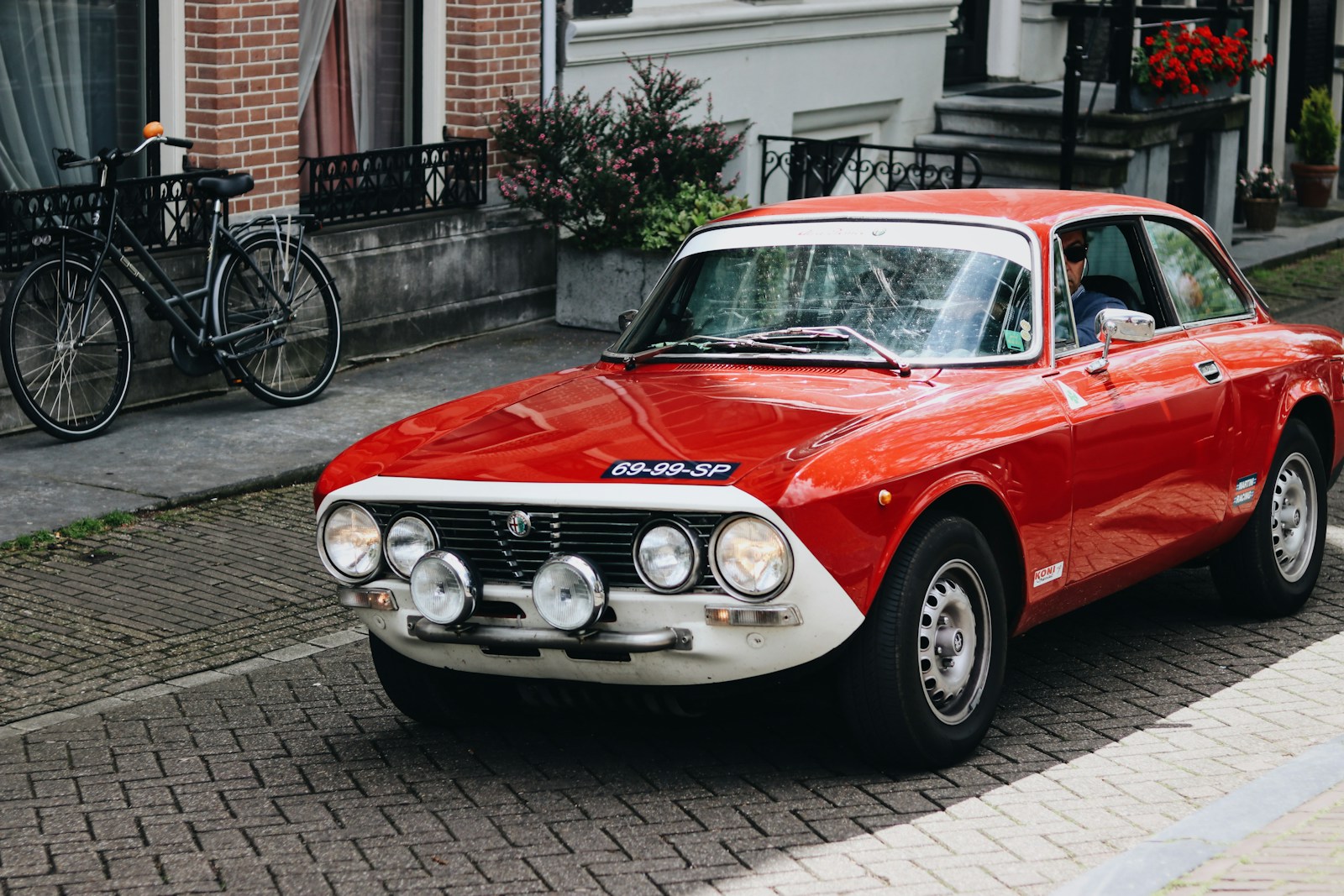

A classic car owner found himself in an unexpected dispute when his neighbor reported his prized vehicle as abandoned, despite the fact that he drives it regularly on weekends. The situation highlights a growing tension in neighborhoods where vehicles that don’t move daily can be mistaken for abandoned property, even when they’re cherished and maintained automobiles.
The car owner was shocked to discover his classic vehicle had been flagged for potential towing after a neighbor called it in to local authorities, claiming it appeared to be an abandoned vehicle. This type of complaint can trigger a formal process that involves municipal agencies marking cars and eventually removing them if owners don’t respond.
The case raises questions about what actually constitutes an abandoned vehicle and how quickly neighbors should report cars that sit in one spot. While some areas consider vehicles abandoned after just 72 hours of non-use, classic car enthusiasts often keep their prized possessions parked for extended periods between drives, especially during certain seasons or weather conditions.

When A Classic Car Gets Wrongly Reported As Abandoned
Classic car owners face a frustrating reality when their prized vehicles get mistaken for junk simply because they sit parked for extended periods. The misunderstanding often stems from how local laws define abandonment and how neighbors interpret those rules.
Understanding What Counts As An Abandoned Vehicle
Most jurisdictions consider a vehicle abandoned when it sits unattended for a specific timeframe without permission. In Texas, a vehicle becomes abandoned after 48 hours on certain properties, while other states set different thresholds.
New York defines an abandoned vehicle as one left unattended for more than 96 hours without the property owner’s permission. The rules get more complicated when distinguishing between truly abandoned vehicles and those that owners simply don’t drive daily.
Police departments often look for specific indicators beyond just time parked. They check for expired registration, missing license plates, broken windows, flat tires, or damaged interiors. A classic car that’s well-maintained but rarely driven doesn’t fit the technical definition, though neighbors may not understand this distinction.
Classic Cars And Local Parking Laws
Classic car enthusiasts often store their vehicles on residential streets between weekend drives or car shows. Many cities don’t have specific exemptions for collector vehicles in their parking ordinances. The cars must follow the same rules as daily drivers, even if they only run occasionally.
Some municipalities require all street-parked vehicles to have current registration and be in operable condition. A vintage car undergoing minor maintenance or waiting for a part might technically violate these requirements. The owner knows the vehicle isn’t abandoned, but enforcement officers rely on visible evidence.
How Neighbors Report Abandoned Cars
When someone spots what they think is an abandoned car, they typically contact their local police department’s non-emergency number or dial 3-1-1. Many jurisdictions now offer online forms where residents submit details about the vehicle’s make, model, color, and exact location.
Police departments request information about license plates, registration status, and whether the vehicle appears to be junk. The person reporting doesn’t need to prove the car is actually abandoned. They just need to provide enough details for authorities to investigate.
Some areas have dedicated apps for reporting quality-of-life issues, including suspected abandoned vehicles. The ease of reporting means well-meaning neighbors can trigger investigations without understanding the full situation.
Why Classic Cars Are Mistakenly Labeled Abandoned
Vintage vehicles often display characteristics that make them look neglected to untrained eyes. A 1970s muscle car might have weathered paint or primer spots from bodywork in progress. The owner sees a restoration project, while neighbors see an eyesore.
Classic cars also tend to sit unmoved for longer periods than modern vehicles. Weekend-only driving means the car stays in the same spot for five or six days straight. Police may not consider a vehicle abandoned unless it remains unattended for 72 hours or more, but concerned neighbors don’t always know these timeframes.
Seasonal use compounds the problem. Many collectors only drive their classics during warm months, leaving them parked throughout winter. The extended parking period raises red flags for people unfamiliar with collector car culture.
What Happens After An Abandoned Vehicle Complaint
When a neighbor files a complaint about a vehicle, local authorities follow specific protocols that can lead to warnings, tags, and eventual towing. The process varies by jurisdiction but typically involves investigation, notification, and enforcement steps that unfold over days or weeks.
The Steps Authorities Take Following A Report
Law enforcement agencies receive complaints through non-emergency lines or online reporting systems. When someone reports a vehicle, they typically need to provide the make, model, license plate number, and exact location of the car in question.
After receiving a complaint, police departments will place a warning tag on the vehicle, giving the owner a short timeframe to move it. This period usually ranges from 24 to 72 hours depending on local ordinances. Officers often check whether the vehicle has been reported stolen before taking further action.
The warning tag serves as official notice that the vehicle appears abandoned. If the car isn’t moved within the specified timeframe, authorities proceed with impounding. Some jurisdictions allow owners to simply drive the vehicle a short distance, such as 1,000 feet, then park it back in the same spot for another limited period.
Towing Company Involvement And Risks
Cities contract with towing companies to remove vehicles that haven’t been moved after the warning period expires. The towing company takes the car to an impound lot where daily storage fees accumulate quickly. Owners must pay both towing and storage charges to retrieve their vehicles.
These costs can reach hundreds or even thousands of dollars within weeks. The impound lot requires proof of ownership, valid registration, and full payment before releasing any vehicle. If the owner doesn’t claim the car within a certain period, the towing company or municipality may dispose of it through auction or salvage.
Classic car owners face particular risk because their vehicles may appear non-operational to casual observers, especially if they have vintage license plates or cosmetic issues.
What Classic Car Owners Should Do Next
The man with the classic car found himself caught in a system designed to remove genuinely abandoned vehicles. He needed to prove regular use and address the complaint with local authorities before the tow truck arrived.
Owners who receive abandoned vehicle tags should contact code enforcement immediately to explain the situation. Documentation like insurance records, registration renewals, and even photos showing the car in different positions can demonstrate regular use. Some owners keep maintenance logs or receipts that prove ongoing care.
Moving the vehicle frequently becomes essential once a complaint is filed. Parking in a different legal spot each time prevents neighbors from claiming the car sits in one place indefinitely.
More from Steel Horse Rides: