

A wall of thick Central Valley fog turned a routine weekend drive into a nightmare earlier this year, triggering a massive 59-vehicle chain reaction crash that shut down a major California highway and sent at least 10 people to the hospital. The pileup on Highway 99 left cars and big rigs crumpled across multiple lanes, closing a key north–south route for hours while rescuers worked through mangled metal and near-zero visibility. For drivers who rely on that stretch of road, it was a jarring reminder of how quickly conditions can flip from normal to life threatening.
Investigators say the wreck unfolded in Tulare County as visibility dropped to just a few car lengths, catching drivers off guard and leaving them little time to react. By the time traffic finally stopped, dozens of Vehicles were stacked, flipped, or shoved off the roadway, and Ten people had been rushed to area hospitals with injuries. The highway eventually reopened, but the questions it raised about fog, speed, and safety on one of California’s busiest corridors are not clearing nearly as fast.
How a foggy morning turned Highway 99 into a demolition zone
The chain reaction started on California’s Highway 99 as drivers pushed through a dense fog bank that had settled over southern Tulare County. According to state traffic officials, a 59-vehicle collision unfolded near the unincorporated community of Earlimart, clogging both directions of the 99 with wrecked cars and trucks and forcing a full closure of the corridor on a busy Saturday morning. The crash zone stretched across multiple lanes near the Kern County line, where a 59-vehicle pileup effectively turned the freeway into a demolition zone.
Witness accounts and early reports describe a scene where drivers suddenly plunged into a gray wall and had almost no time to brake before slamming into stopped traffic. A 59-car tangle of sedans, pickups, and big rigs stacked up on the Highway as the fog thickened, with some vehicles pushed under trailers and others spun sideways across lanes near Tulare County’s southern edge. Video from the aftermath shows the 59-car wreck stretching toward the Kern County line, a visual that matches what officials later confirmed about the crash footprint along the 99 corridor.
Rescuers pick through wreckage as injuries mount
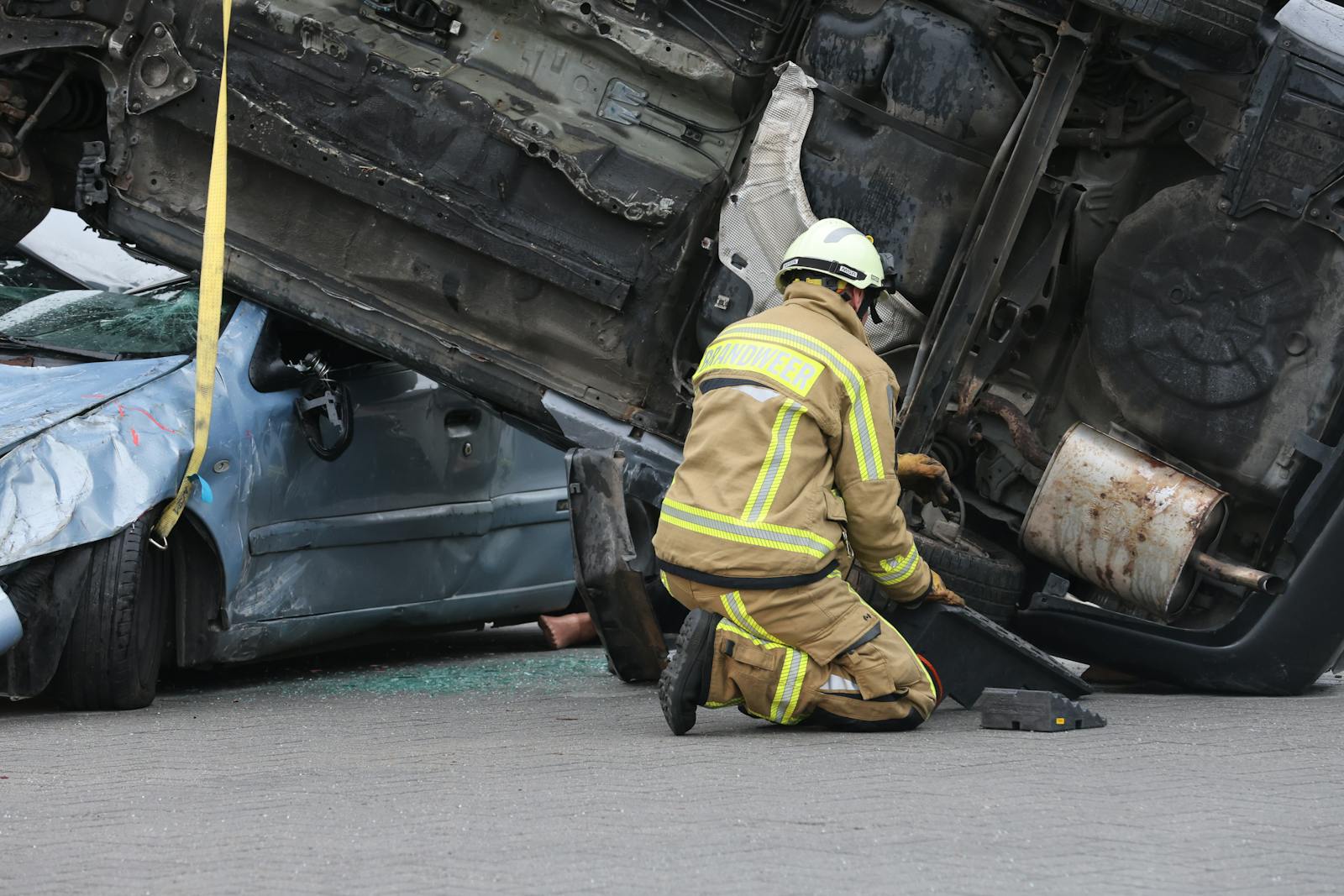
Once the first calls came in, California Highway Patrol officers and the Tulare County Fire Department raced to the scene, navigating the same heavy fog that had caught drivers off guard. Responders reported finding Vehicles turned over and up on each other, under each other, with some cars wedged so tightly that crews had to carefully peel them apart to reach trapped occupants. Ten people were taken to nearby hospitals with injuries after 59 vehicles were involved in the pile-up on California’s Highway 99, a tally that underscored how lucky it was that no deaths were immediately reported in the 59-car crash.
Officers on scene described a chaotic but methodical rescue effort, with CHP officer Adrian Gonzalez explaining that Vehicles were stacked in ways that made it hard even to see where one ended and another began. Several people sustained minor to moderate injuries in the crash, according to early assessments, and Multiple patients had to be stabilized on the shoulder before ambulances could safely move through the jammed traffic lanes. As crews worked, they also had to manage drivers who had escaped their cars and were wandering in the fog, a dangerous mix that CHP and the Tulare County Fire Department tried to control while they triaged the injured drivers.
Fog, rainfall and a perfect storm of bad conditions
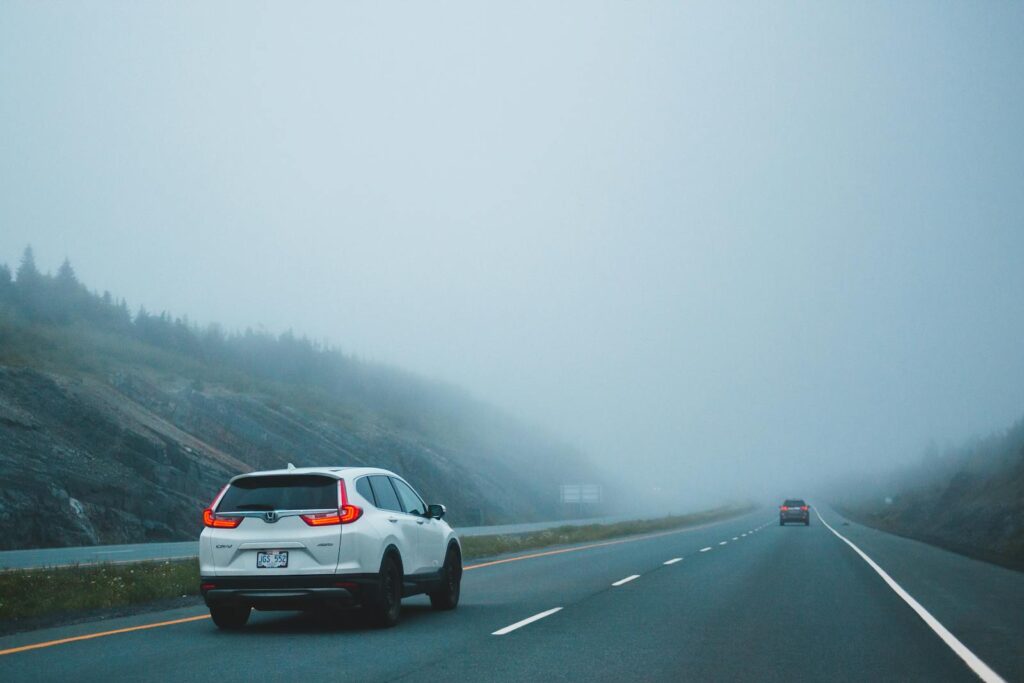
As investigators dug into what went wrong, one factor kept coming up: visibility that dropped to almost nothing in a matter of minutes. CHP and weather officials pointed to a thick tule fog bank that settled over the Valley, a seasonal phenomenon that can turn open freeway into a blind tunnel. As the region entered the month of January, seasonal rainfall totals around the Valley were near 200%, or twice the usual amount, a setup that helped trap moisture near the ground and build the kind of dense fog that drivers faced in southern Tulare County near Earlimart. That combination of soaked fields and cool, still air created a perfect recipe for the pea-soup conditions that greeted motorists on the southern stretch of the freeway.
On top of that, visibility at the crash site was reported at roughly 200 feet in the area, a distance that gives drivers only a couple of seconds to react at freeway speeds. CHP officers have long warned that in these conditions, even a small mistake can ripple outward, and in this case it appears that one initial collision quickly drew in dozens of vehicles that simply could not stop in time. The result was a 59-vehicle pile-up in TULARE COUNTY, Calif., where Multiple people were injured and traffic ground to a halt as fog continued to hang over the COUNTY freeway.
Highway shutdowns, detours and a region on pause
Once the scale of the crash became clear, officials shut down Highway 99 in both directions, cutting off one of California’s main freight and commuter arteries for more than six hours. Drivers heading toward Visalia for weekend errands or work found themselves stuck in miles of backup or forced onto rural detours as crews tried to clear the 59-vehicle mess. In the Visalia for area, traffic alerts urged people to avoid the corridor entirely while CHP and tow operators worked through the wreckage and did not reopen the Highway until the accident scene had been cleared and the last damaged car was hauled away from the 99 corridor.
The closure rippled far beyond Tulare County, since Highway 99 is a lifeline for trucks hauling produce, goods and fuel up and down the state. California’s Highway 99 reopens only after a 59-vehicle collision like this is fully investigated and debris is removed, which meant long delays for freight companies and everyday drivers alike. For hours, GPS apps rerouted traffic onto smaller farm roads that were never designed to handle that kind of volume, while CHP officers tried to keep frustrated motorists from making risky U-turns or driving the wrong way to escape the shutdown zone.
What officials and drivers can learn from a 59-car wake-up call
In the days after the crash, investigators and safety advocates circled back to a familiar message for Central Valley drivers: when tule fog rolls in, speed and following distance have to change fast. CHP officers have been blunt that in conditions like the ones that produced this 59-car pileup on Highway 99 in Tulare County, even modern safety tech like automatic emergency braking and lane-keeping assist cannot fully compensate for physics. A 59-car pileup on Highway 99 in Tulare County that is blamed on fog is a stark example of how quickly a few seconds of inattention or a bit too much speed can cascade into a multi-mile disaster on the busy freeway.
Officials are also using the wreck to push for more awareness around low-tech habits that still save lives, like slowing well below the posted limit, turning on low-beam headlights instead of brights in fog, and leaving several car lengths of space even if that means getting passed. CHP and Adrian Gonzalez have pointed to this crash as a reminder that when Vehicles are turned over and up on each other, under each other, it is usually because drivers did not have enough time or room to react. For a region that depends on the 99, the hope is that the memory of Ten people hurt in a 59-vehicle pile-up on a fog-shrouded road in California will stick with motorists long after the twisted metal has been cleared from the crash site.
More from Wilder Media Group: